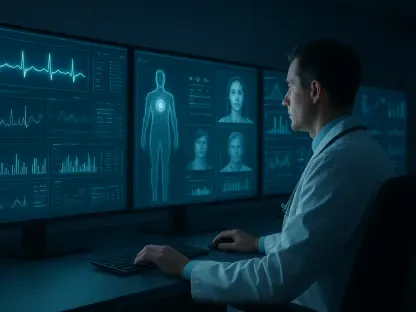

A patient residing in a remote mountain community no longer views a three-hour drive to the nearest metropolitan hospital as the only avenue for life-saving cardiovascular intervention or specialist consultation. This shift marks the transition of remote care from a temporary solution into a fundamental pillar of the modern medical landscape. While the initial adoption of virtual platforms was driven by necessity, the current environment in 2026 reflects a sophisticated ecosystem where high-bandwidth connectivity and advanced diagnostic tools allow for a seamless clinical experience. Medical professionals now rely on high-fidelity video streams and real-time biometric data to make critical decisions that previously required physical presence. The distinction between in-person visits and virtual encounters has blurred significantly, as hybrid models prioritize patient convenience without sacrificing the quality of clinical outcomes. This systemic change has fundamentally restructured how healthcare providers allocate resources and manage patient loads across various departments, ensuring that specialized expertise is available regardless of a patient’s physical location.
Digital Integration: The Foundation of Remote Services
Advanced Connectivity and Data Transmission
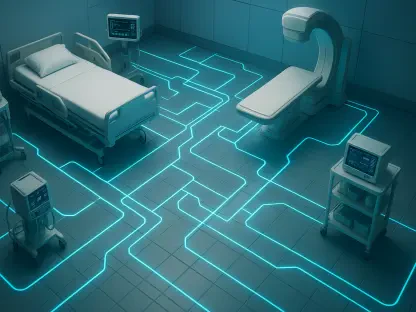
The ubiquity of fifth-generation wireless networks and the expansion of low-earth orbit satellite constellations like Starlink have effectively eliminated the digital divide that once hindered rural healthcare delivery. These high-speed connections facilitate the transmission of massive data sets, including 4K surgical video feeds and complex volumetric imaging, in milliseconds. In 2026, the integration of edge computing allows for local processing of patient data, reducing latency to levels that support robotic-assisted procedures performed from hundreds of miles away. Healthcare facilities are increasingly investing in private 5G networks to ensure dedicated bandwidth for mission-critical medical applications. This infrastructure supports a continuous flow of information between mobile health units and central hospital hubs, ensuring that paramedics in the field can receive immediate guidance from trauma specialists. The reliability of these networks has moved telehealth beyond simple video calls into the realm of immersive, real-time physiological monitoring and intervention.
Interoperability and Secure Data Exchange
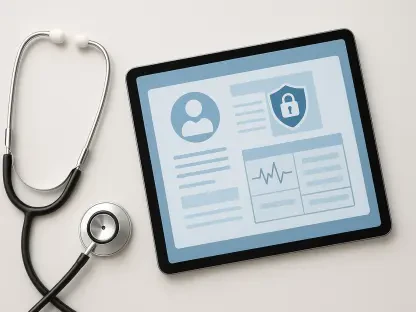
Standardization of health data protocols through initiatives like FHIR (Fast Healthcare Interoperability Resources) has created a unified language for disparate medical systems to communicate effectively. This level of interoperability ensures that a specialist viewing a patient via a virtual portal has instant access to their complete medical history, including recent lab results, imaging, and medication lists from various providers. In the current landscape, the use of blockchain technology for secure data exchange has bolstered patient trust by providing a transparent and immutable record of who accesses their sensitive information. Artificial intelligence algorithms now work in the background to synthesize this data, flagging potential drug interactions or identifying subtle trends in patient health before they manifest as acute symptoms. These tools allow physicians to focus more on the patient interaction rather than manual data entry, enhancing the human element of medicine despite the digital medium. The resulting efficiency has significantly reduced administrative overhead while improving the accuracy of diagnoses.
Strategic Pathways: Ensuring Long-Term Stability
The successful integration of virtual care necessitated a comprehensive reevaluation of medical licensing and reimbursement policies to support a cross-border healthcare model. To sustain this momentum, healthcare leaders focused on three primary areas for future growth and stability. Organizations prioritized the training of medical staff in digital literacy and virtual bedside manner, ensuring that the human connection remained central to the technological interface. The development of robust cybersecurity frameworks became a non-negotiable requirement to protect patient data from increasingly sophisticated threats. Stakeholders worked toward creating equitable access to the necessary hardware and high-speed internet for all socioeconomic groups to prevent a tiered system of care. By addressing these foundational challenges, the medical community ensured that telehealth remained a versatile and permanent fixture of the healthcare delivery system. This transition moved the industry toward a resilient and patient-centric model. The shift reflected a proactive stance in evolving alongside current technological advancements.