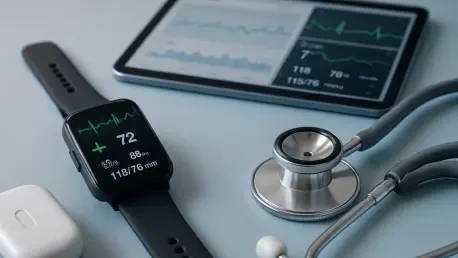

The rapid evolution of biosensors and non-invasive monitoring tools has fundamentally transformed how healthcare providers approach chronic disease management and patient recovery. As 2026 begins, the Government Accountability Office has identified critical policy gaps that hinder the full integration of wearable technology into standard clinical workflows, despite the clear potential for reducing hospital readmissions. Modern wearables are no longer simple step counters; they have become sophisticated diagnostic instruments capable of detecting cardiac arrhythmias, monitoring blood glucose levels, and predicting respiratory distress with increasing precision. However, the transition from consumer-grade gadgets to validated medical devices requires a robust framework that addresses the technical, legal, and economic barriers currently stalling widespread adoption. The federal government faces a pivotal moment where its decisions on data standardization and reimbursement will determine whether these tools remain fringe conveniences or become essential pillars of the modern healthcare system.
Strengthening the Regulatory Framework for Medical Devices
Data Security: Protecting Patient Information
The sheer volume of sensitive health information generated by continuous monitoring systems creates unprecedented challenges for data protection and cybersecurity infrastructure. Policy experts emphasize that current HIPAA regulations may not fully encompass the complex data flows between third-party app developers, device manufacturers, and healthcare providers. Strengthening these protections involves establishing clear ownership rights over user-generated health data and implementing mandatory encryption protocols for all devices that transmit physiological metrics over public networks. Without a unified security standard, patients remain vulnerable to data breaches that could compromise their medical history or insurance eligibility, leading to significant skepticism toward digital health tools. Furthermore, the report suggests that federal oversight must evolve to keep pace with the iterative nature of software updates, ensuring that security patches do not inadvertently disrupt the clinical functionality of the device or the privacy of the patient.
Clinical Accuracy: Establishing Performance Benchmarks
Ensuring that a wearable device provides clinical-grade accuracy is essential for gaining the trust of the medical community and securing regulatory approval from the Food and Drug Administration. While many devices perform well in controlled laboratory settings, their performance can degrade significantly during daily activities or in diverse environmental conditions. The government highlights the need for more rigorous clinical trials that reflect real-world usage patterns to verify that these tools can reliably replace traditional diagnostic methods. This includes establishing specific performance benchmarks for various physiological markers, such as heart rate variability or oxygen saturation levels, to ensure consistency across different brands. Furthermore, the regulatory process must become more agile, allowing for the rapid certification of software enhancements that improve accuracy without requiring a complete re-submission for the hardware itself. Such an approach would encourage innovation while maintaining the high safety standards necessary for life-saving interventions.
Accelerating Adoption through Economic and Social Incentives
Reimbursement Models: Reforming Remote Monitoring
For clinical wearables to achieve mass adoption, the economic landscape must shift to provide sustainable financial incentives for both healthcare providers and payers. Current reimbursement models often fail to account for the continuous nature of remote patient monitoring, frequently compensating doctors for discrete visits rather than the ongoing analysis of streaming data. Federal reports suggest that the Centers for Medicare and Medicaid Services should expand codes for remote physiological monitoring to include a wider range of chronic conditions and preventative care scenarios. This would allow health systems to invest in the necessary infrastructure and staff, such as data analysts or nurse coordinators, to manage the influx of wearable data effectively. From 2026 to 2028, the transition toward value-based care models will likely align the interests of insurers and providers by rewarding long-term health improvements. Clearer guidelines on how to bill for these services will reduce the financial risk for smaller practices and encourage them to integrate these technologies into their care.
Digital Equity: Establishing a Foundation for Proactive Care
The comprehensive analysis of clinical wearable integration revealed that a multi-faceted approach was necessary to bridge the gap between technological innovation and practical medical application. Stakeholders recognized that achieving widespread success required the immediate adoption of standardized data protocols and more transparent validation processes to ensure clinical safety. Federal agencies focused on streamlining the regulatory pathway for software-driven health tools, which encouraged manufacturers to prioritize accuracy and security from the initial design phase. Furthermore, the implementation of more flexible reimbursement structures allowed medical practices to scale their remote monitoring capabilities without facing financial instability. In the final assessment, the emphasis shifted toward longitudinal studies that proved the long-term cost-effectiveness of these tools in reducing chronic disease complications. By addressing the fundamental issues of data interoperability and health equity, the healthcare industry established a resilient foundation for a digital-first approach to patient care that prioritized proactive intervention over reactive treatment.