
The global demographic landscape is currently undergoing an unprecedented transformation as the proportion of individuals aged sixty-five and older continues to rise at a rate that traditional healthcare systems are struggling to accommodate effectively. This shift necessitates a move away from

The demographic shift toward an aging global population has placed an unprecedented strain on modern healthcare systems, particularly regarding the rise of age-related cognitive disorders. As individuals live longer, the period of life spent navigating the complexities of memory loss and executive

Global longevity trends in 2026 present a paradoxical challenge where increasing life expectancy does not always equate to a higher quality of life for the elderly population. For many postmenopausal women, the intersection of rapid physiological changes and shifting societal roles creates a unique

Confronting a cancer diagnosis often plunges patients and their families into a disorienting maze of appointments, specialists, and treatment plans, a fragmented journey that can amplify distress and delay critical care. As India grapples with a rising incidence of cancer, driven by a confluence of

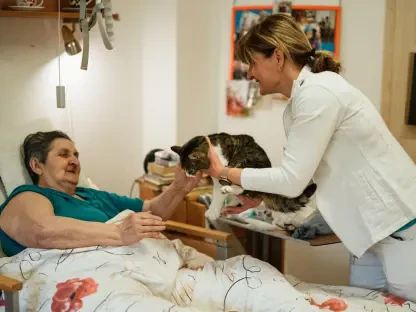
In the sprawling, metric-driven landscape of modern healthcare, the human element of care often becomes the first casualty of efficiency, a reality that once deeply plagued the Dutch home care system. By the 1990s, a wave of reorganization had swept through the Netherlands, merging home nursing and

The challenge of ensuring consistent, high-quality in-home care for seniors and individuals with developmental disabilities has become a critical issue for healthcare systems across California, where fragmented services can often lead to gaps in support and poor patient outcomes. In this complex