When an eighty-year-old individual chooses to avoid a sun-drenched garden path not because of physical pain but due to a subtle, nagging doubt in their own stability, the hidden mechanics of fall prevention become strikingly clear. Traditionally, medical science has focused almost exclusively on external factors such as physical strength, gait speed, and environmental hazards like loose rugs or insufficient lighting. However, recent analysis suggests that the internal psychological state of an older adult is just as critical in determining their long-term safety and mobility. By shifting the focus toward “perceived control,” researchers are uncovering how internal cognitive and emotional processes influence an individual’s ability to navigate their surroundings with confidence. This approach views the mind as a dynamic engine that can either empower a person to stay active or trap them in a cycle of fear and physical decline. Perceived control is not a fixed personality trait but a fluctuating belief system that dictates how a person responds to the risks inherent in daily life. When seniors feel they possess the internal tools to manage their environment, they often maintain a much higher level of independence.
The Psychological Spectrum: Resilience versus Vulnerability
Older adults fall into a broad spectrum regarding how they perceive their ability to prevent accidents, ranging from high resilience to deep resignation. On one end of this spectrum are those who demonstrate high levels of psychological fortitude, viewing fall prevention as a series of manageable tasks rather than an insurmountable hurdle. These individuals use mental rehearsal and adaptive strategies to stay mobile, treating potential risks as challenges to be overcome rather than inevitable failures of aging. This proactive mindset serves as a psychological shield, allowing them to continue their daily routines with a sense of purpose and relative ease. For this group, a near-miss on a slippery sidewalk does not result in a withdrawal from society but instead sparks a constructive evaluation of their footwear or walking technique. By maintaining a high sense of self-efficacy, they effectively decouple the aging process from the loss of agency, ensuring that their mental map of the world remains wide and full of possibilities. This resilience is a cornerstone of healthy aging in the current landscape.
On the other end of the spectrum are individuals characterized by a sense of vulnerability and a lingering resignation to what they perceive as the inevitable. For these seniors, a single fall or even a minor stumble can trigger a profound loss of confidence that ripples through every aspect of their lives. This often results in “protective” behaviors, such as avoiding social gatherings or physical activity altogether to minimize any perceived risk of injury. Ironically, this self-imposed restriction leads to rapid muscle atrophy, joint stiffness, and poorer balance, which actually increases the likelihood of a future fall. This cycle demonstrates how a lack of perceived control can manifest as a self-fulfilling prophecy of physical frailty. When the fear of falling becomes greater than the desire for engagement, the individual effectively retreats into a smaller, more restricted world. Breaking this cycle requires more than just physical therapy; it demands a concerted effort to rebuild the individual’s belief in their own physical capacity and their right to move freely without constant fear of catastrophe.
Identity and the Burden: Navigating Social Stigma
A person’s self-identity is deeply intertwined with their perceived control over their body, and any perceived loss of this control is often felt as a personal failure. Many seniors view the risk of falling not just as a health concern, but as a symbolic loss of adulthood and a rapid transition into a state of unwanted dependency. The fear of being labeled as “frail” or “infirm” carries a heavy social stigma that can lead some individuals to hide their mobility concerns from family members and medical professionals alike. This desire to preserve a capable self-image can prevent them from using necessary assistive devices, such as canes or high-tech walkers, which they might see as “badges of old age.” When safety equipment is viewed as a mark of decline rather than a tool for empowerment, the psychological barrier to adoption becomes almost impossible to breach. This internal conflict between the need for safety and the need for a dignified identity creates a dangerous gap where preventable accidents are much more likely to occur.
This struggle with identity highlights the emotional complexity of fall prevention and the need for more nuanced interventions from caregivers. When an older adult feels that their autonomy is being threatened by well-meaning but overprotective relatives, they may resist safety measures that they perceive as paternalistic or demeaning. Effective prevention must, therefore, address the psychological need for dignity and respect as a primary goal. By framing safety tools as instruments of independence—much like a car or a smartphone—caregivers can help seniors maintain their sense of self while simultaneously reducing their physical risk profile. The goal is to move the conversation away from what the individual can no longer do and toward the technologies and strategies that allow them to continue participating in the activities they love. When an older adult feels that their identity is being supported rather than erased, they are significantly more likely to engage with fall prevention protocols and maintain a positive outlook on their physical future.
The Role of Interaction: Communication and Technology
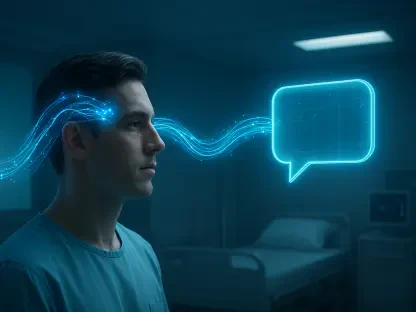
The way healthcare professionals communicate with older patients plays a pivotal role in shaping their sense of agency and their willingness to follow medical advice. When clinicians provide empathetic, clear, and encouraging guidance, patients feel empowered to take charge of their own health outcomes rather than feeling like passive recipients of care. However, if medical advice is delivered in a dismissive, overly clinical, or hurried manner, it can exacerbate feelings of helplessness and lead to a total breakdown in trust. Patient-centered dialogue is essential because it validates the individual’s emotional experience, turning a terrifying prospect into a collaborative plan of action. Professionals who take the time to listen to a patient’s specific fears can tailor their recommendations to address the psychological roots of those fears. This collaborative approach fosters a sense of partnership, where the patient feels that they are an active participant in their own safety strategy. This shift in communication style is proving to be a highly effective way to increase adherence to exercise and balance programs.
Technology also presents a unique paradox in the lives of older adults, acting as both a potential lifesaver and a potential source of anxiety. While home monitoring systems and wearable fall detectors offer a much-needed safety net, they can also act as constant, intrusive reminders of an individual’s perceived vulnerability. For some, these tools are empowering additions to their daily lives that provide the confidence to live alone; for others, they represent a threat to privacy and a constant signal of frailty. This suggests that the successful integration of technology depends less on the hardware itself and more on whether the user feels the technology supports or undermines their personal control. Developers are now focusing on creating “invisible” technology that integrates seamlessly into clothing or home decor to reduce the stigma associated with wearable devices. The key to successful adoption lies in ensuring that the user remains the master of the technology, rather than the technology serving as a constant monitor of their limitations and potential failures.
Future Horizons: Integrating Mind and Body
There was a growing consensus that physical therapy alone could not solve the complex problem of falls in an aging population without psychological support. Successful interventions moved away from a one-size-fits-all model and instead adopted a multidisciplinary approach that blended physical rehabilitation with deep cognitive restructuring. By tailoring programs to an individual’s specific psychological profile—addressing deep-seated anxiety for some and building tactical confidence for others—providers created more sustainable outcomes. These programs focused on moving beyond the mere reduction of fear and toward the active cultivation of a person’s sense of mastery over their own life. Clinicians recognized that a strong body was of little use if the mind was too paralyzed by fear to utilize it. Consequently, the integration of cognitive behavioral techniques into standard geriatric care became a standard practice, ensuring that the mental barriers to mobility were treated with the same urgency as the physical ones. This holistic shift transformed the landscape of elderly care by prioritizing the total well-being of the person.
Furthermore, the socialization of risk suggested that community engagement was a vital component of successful fall prevention strategies across various demographics. Seniors who possessed strong social networks tended to have higher self-efficacy and were more likely to adopt healthy coping mechanisms when faced with physical challenges. Community-based programs that fostered connection acted as a vital buffer against the isolation that often accompanied a fear of falling. By investing in social infrastructure and training providers in sensitive, agency-focused communication, society helped older adults reclaim their autonomy and live with greater safety. These initiatives proved that when the focus remained on dignity and empowerment, the results were far more enduring than traditional safety lectures. Actionable steps for the future involved expanding these community models to include digital literacy and peer-led coaching, which further solidified the link between social support and physical confidence. The conclusion of these studies affirmed that the most effective way to prevent a fall was to first uplift the spirit of the person walking.