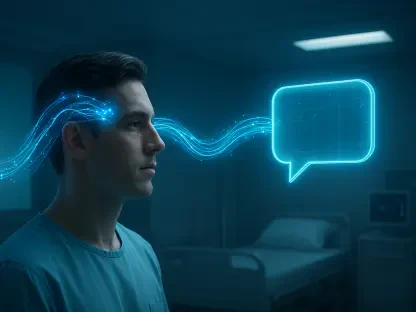

The profound sense of invisibility that often precedes a mental health crisis is frequently more damaging than any underlying clinical diagnosis or chemical imbalance. While clinical settings provide essential stabilization during acute episodes, a growing consensus among public health advocates suggests that the true “secret sauce” for long-term survival exists in the mundane spaces of everyday life. This roundup explores the shift toward social connection as a primary defensive layer, examining how community resilience acts as a preemptive strike against despair. By gathering insights from health leaders and civic innovators, a clearer picture emerges of how fostering human bonds can bridge the gap where traditional medicine sometimes falls short.
The Shift from Clinical Intervention to Community Resilience
Historically, suicide prevention remained the strict domain of psychiatry, characterized by a heavy reliance on pharmaceutical management and intensive psychotherapy. While these interventions are indispensable for treating acute symptoms, they often address the crisis only after it has reached a boiling point. Experts now argue that a purely diagnostic lens fails to account for the social environment that contributes to psychological distress. By redirecting focus toward the restorative power of human interaction, the conversation is moving away from purely reactive measures and toward a proactive model of shared responsibility.
Moving “upstream” involves identifying the socioeconomic and interpersonal stressors that lead to ideation long before a patient ever enters an emergency room. This evolution in thinking recognizes that loneliness is not just a secondary symptom but a core driver of mental health decline. Public health strategies are beginning to prioritize the strengthening of social ties as a structural buffer, asserting that a connected community can catch individuals who might otherwise slip through the cracks of a fragmented healthcare system. This shift does not replace clinical care but rather provides a necessary foundation upon which medical treatment can actually succeed.
Cultivating Human Bonds as a Life-Saving Strategy
The Biological Imperative: Why Isolation Is a Silent Health Crisis
Scientific investigations have revealed that chronic loneliness is a physiological toxin that triggers a cascade of negative health outcomes. Research indicates that the impact of social isolation on mortality is comparable to the physical toll of smoking fifteen cigarettes a day. When a person lacks meaningful social contact, the body enters a state of chronic hyper-vigilance, keeping the stress response permanently engaged. This biological “red alert” weakens the immune system and increases inflammation, creating a fertile ground for both physical disease and deep-seated psychological pain.
This physiological threat is particularly acute for vulnerable demographics such as isolated seniors and modern youth. For older adults, the loss of a spouse or the departure of a workforce identity can lead to a sudden severance of social lifelines, making disconnection a potent predictor of suicidal ideation. Conversely, young people may find themselves “digitally connected” but emotionally adrift, suffering from a lack of high-quality, face-to-face interactions. In both cases, the absence of a social mirror—the feeling of being seen and acknowledged by others—disrupts the fundamental human need for safety and belonging.
Architecting Belonging: The Rise of Social Infrastructure and Policy
Addressing the loneliness epidemic has transitioned from a personal struggle into a matter of urgent public policy. Leaders in the public health sector have begun advocating for the concept of “social infrastructure” as a primary medical asset. This framework posits that the design of physical environments—such as parks, libraries, and community centers—directly influences the health of a population. When civic spaces are intentionally designed to facilitate spontaneous human contact, they serve as a silent but effective net for those at risk of isolation.
Practical applications of this theory are already appearing in diverse municipal programs across the country. In some regions, healthcare providers are expanding their reach by “prescribing” museum visits or art classes, treating cultural engagement as a vital component of a patient’s wellness plan. Other cities have funded initiatives like “volunteer listeners” stationed on public benches to provide a supportive presence for passersby. These policies transform the city itself into a therapeutic environment, moving beyond the four walls of a doctor’s office to create a landscape where belonging is built into the daily routine.
Navigating the Modern Loneliness Epidemic in a Hyper-Digital Age
Despite the proliferation of high-speed internet and social media platforms, contemporary society is experiencing a marked decline in the traditional anchors of community life. Participation in religious institutions, local clubs, and shared physical workplaces has dwindled, leaving a vacuum where “third spaces” used to exist. These third spaces—locations outside of home and work where people naturally congregate—provided the informal social check-ins that historically sustained emotional equilibrium. The erosion of these spaces has left many individuals without a natural venue for forming the bonds that protect against despair.
The rise of remote work and the intensification of political polarization have further complicated the social landscape. While digital tools offer convenience, they often lack the nuance and physical presence required for deep emotional resonance. This evolution in how we live and work necessitates a creative reinvention of community structures. Ensuring that technology serves as a bridge rather than a barrier requires a conscious effort to prioritize in-person interactions that provide the tactile and emotional cues necessary for true human connection.
The Power of Micro-Interventions: How Small Gestures Create Big Buffers
Large-scale policy changes are essential, but the most immediate impact often comes from small, intentional acts of acknowledgment. These micro-interventions operate on the principle that the simplest gestures can disrupt a cycle of negative thoughts. For example, programs that encourage high school students to write cards for seniors or initiatives that train meal delivery drivers to recognize signs of distress create a web of vigilance. These acts provide a sense of mutual value, reinforcing the idea that an individual is an important part of a larger, caring ecosystem.
These localized efforts empower everyday citizens to play a role in suicide prevention without requiring specialized clinical training. By creating opportunities for people to be “seen” by a neighbor or even a stranger, communities build a sense of agency and resilience. Such gestures serve as a reminder that human worth is not tied to productivity or status, but to the inherent value of being part of a group. This grassroots approach democratizes mental health support, making it an accessible and constant presence in the lives of those who may be struggling.
Restoring the Social Fabric: Actionable Steps for a Connected Society
To effectively lower suicide rates, connection must be treated with the same urgency as nutrition and physical activity. Communities should prioritize the allocation of microgrants to support local hobby groups, gardening clubs, and neighborhood associations. These grassroots organizations act as the connective tissue of society, providing individuals with a consistent reason to engage with the world. Furthermore, establishing formal volunteer networks can provide people with a sense of purpose, which is a key psychological deterrent to suicidal ideation.
On an individual level, adopting consistent social rituals can serve as a vital strategy for maintaining emotional resilience. Whether it is joining a trivia team, participating in a faith-based group, or simply becoming a regular at a local coffee shop, these repetitive interactions create a “social safety net.” These rituals ensure that even in times of personal hardship, there are people who will notice an absence and reach out. Building these habits is not a luxury but a fundamental necessity for navigating the inevitable challenges of life.
Public education campaigns should also emphasize the value of “listening” as a core community skill. Training citizens to recognize when a peer is withdrawing or showing signs of distress allows for earlier intervention. Moreover, integrating social connection into the standard curriculum for young people can help establish healthy relationship habits early in life. By making social health a visible and discussed priority, society can destigmatize the need for connection and encourage people to seek out the bonds they need for long-term emotional stability.
The Frontier of Prevention: Why Being Seen Is the Ultimate Antidote to Despair
The future of mental healthcare was found to lie in the successful restoration of the social fabric rather than the creation of more sophisticated pharmaceuticals. Observations of recent public health trends suggested that the most effective tool in the prevention toolkit was the recognition of human biological wiring for community. While clinical support remained a necessary cornerstone for crisis management, the long-term protection against trauma was consistently rooted in the strength of everyday interpersonal bonds. The simple act of ensuring that no one had to face their struggles in isolation emerged as the most profound strategy for saving lives.
Actionable next steps for the coming years involved a systematic investment in urban planning that prioritized human interaction over mere efficiency. Future considerations included the revitalization of public transport and the protection of local gathering spots that facilitate diverse social cross-pollination. Society moved toward a model where the “prescription” for mental well-being included a mandatory element of community participation. This approach recognized that the ultimate antidote to despair was not a pill, but the undeniable feeling of belonging to a collective that values every member.
Ultimately, the shift toward community resilience provided a new lens through which to view human vulnerability. By acknowledging that loneliness is a systemic public health crisis, leaders began to implement solutions that were as much about architecture and civic engagement as they were about therapy. The evidence pointed toward a future where mental health was no longer an individual burden but a shared community asset. The realization that being truly seen by another human being could alter the biological trajectory of despair marked a turning point in the global effort to foster hope and resilience.