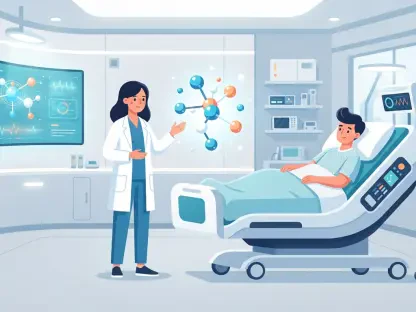

The Health Care Unburdened Grant program reflects a professional consensus that reducing physician workload is essential for maintaining high standards of care. For decades, the creeping intrusion of administrative duties has threatened to transform the art of healing into a data-entry exercise. At institutions like the Kingston Health Sciences Centre, researchers and clinicians are now observing a shift that prioritizes the patient-doctor relationship over the clerical demands of the screen. By integrating Generative Artificial Intelligence into the clinical workflow, the medical community is actively seeking to reclaim the lost minutes of every consultation. This evolution is not merely about technological novelty but represents a fundamental reimagining of how a physician interacts with their environment. As practitioners increasingly find themselves tethered to digital interfaces, the deployment of ambient listening tools offers a path toward professional liberation. The objective remains clear: to ensure that the primary focus of any medical visit remains the person seeking help, rather than the digital record intended to track their progress.
Reimagining the Clinical Environment: Ambient Intelligence in Practice
The technical implementation of AI-driven ambient listening functions through a sophisticated process of natural language processing and contextual understanding. During an appointment, the system captures the dialogue between the physician and the patient in real-time, distinguishing between casual conversation and medically relevant information. Instead of a doctor feverishly typing on a keyboard or staring at a monitor, the software works in the background to generate a structured draft of the clinical note. This draft is then presented to the physician for review and validation, ensuring that human oversight remains the final gatekeeper for medical accuracy. Dr. Siddhartha Srivastava and Dr. Denyse Richardson have noted that this workflow allows for a more natural rhythm within the examination room. When the physical barrier of the computer is removed, the clinical encounter regains its traditional intimacy, allowing for subtle cues and patient concerns to be captured more effectively.
While the adoption of comprehensive Electronic Health Records like the Lumeo system was initially designed to streamline data accessibility across regional health networks, it inadvertently catalyzed a crisis of documentation burden. The transition to digital charts meant that every interaction, prescription, and lab result required meticulous manual entry, often forcing clinicians to spend hours after their shifts completing paperwork. This “pajama time,” as it is often called in professional circles, has become a primary driver of burnout and dissatisfaction within the healthcare sector. The introduction of GenAI scribes serves as a direct intervention against this unintended consequence of the digital age. By automating the most labor-intensive aspects of record-keeping, these tools address the systemic inefficiency that has plagued healthcare organizations from 2026 to 2028. The goal is to move beyond the limitations of legacy data entry systems and toward a more fluid, integrated approach to clinical documentation.
Professional Wellness: The Link Between Efficiency and Patient Safety
Early data from the implementation at Kingston Health Sciences Centre indicates a significant reduction in the time required to close clinical charts, with many participants completing their documentation several hours earlier than their previous averages. This newfound efficiency does more than just clear a desk; it restores a sense of agency and professional satisfaction to the medical staff. When a physician is no longer burdened by the prospect of late-night administrative tasks, their cognitive bandwidth during the actual patient visit increases substantially. This improvement in mental clarity directly translates to better diagnostic accuracy and a more compassionate delivery of care. The collaborative funding provided by the Canadian Medical Association and its partners underscores the reality that clinician wellness is a prerequisite for patient safety. By alleviating the mental fatigue associated with clerical work, health systems are essentially investing in the long-term sustainability of their most valuable asset: the human provider.
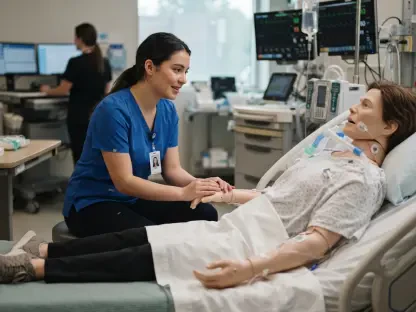
Beyond the quantifiable metrics of time saved, the qualitative impact of AI scribes on the patient experience is profound. With the removal of the digital divide between the doctor and the patient, the fundamental dynamics of the medical consultation have begun to shift back toward a more traditional, face-to-face model. Clinicians can now maintain consistent eye contact, observe non-verbal signals, and perform physical examinations without the distraction of an impending data-entry backlog. Patients frequently report feeling more “heard” and respected when their provider is not preoccupied with a screen. This restoration of the human connection is perhaps the most significant achievement of the GenAI initiative. It acknowledges that healing is an interpersonal process as much as a technical one. When the clerical noise is silenced, the dialogue between provider and seeker becomes richer and more focused, fostering a level of trust that is difficult to achieve through a computer-mediated interaction.
Strategic Implementation: Paving the Way for Human-Centric Care
The successful pilot of generative technology in clinical settings demonstrated that the path forward for modern medicine required a balanced synthesis of automation and empathy. It became clear that the objective was never to replace the physician’s judgment but to augment their capacity for presence. Organizations looking to replicate these results were encouraged to prioritize user-centric design and provide robust training to ensure that the technology served the clinician rather than adding another layer of complexity. Strategic leaders recognized that the most effective implementations were those that treated administrative relief as a core component of patient care strategy. Looking ahead, the focus shifted toward expanding these tools across diverse specialties, ensuring that the benefits of reduced documentation were felt by specialists and general practitioners alike. By treating physician burnout as a systemic failure rather than a personal one, health systems took actionable steps to preserve the integrity of the profession.