
National trends show teleconsultations exceeding 500 million nationwide, prompting Maharashtra to solidify eSanjeevani as a permanent fixture of its rural healthcare infrastructure. This tectonic shift in public health delivery addresses the long-standing geographical inequities that have historically plagued the hinterlands of India. By moving beyond the traditional model of fixed-location hospitals, the state is reimagining the patient journey as one that begins at the doorstep rather than the clinic door. This transition is not merely about digitizing records but about fundamentally altering how medical expertise is distributed across vast and often difficult terrains. The government’s recent resolution underscores a commitment to decentralization, transforming Ayushman Arogya Mandirs from static structures into agile, mobile units. This strategic pivot ensures that residents in remote villages no longer have to choose between their daily livelihoods and seeking necessary medical care for their families.
Proactive Outreach: The Shift to Mobile Village Clinics
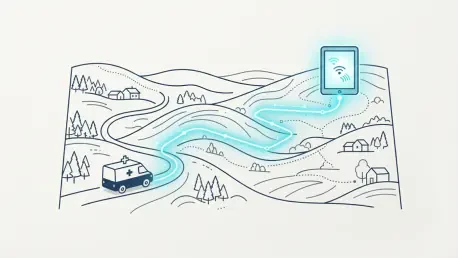
The core of this modernization involves a radical shift toward proactive community outreach through decentralized village clinics. Instead of requiring patients to travel long distances to a central facility, healthcare teams now establish mobile outpatient departments in local community hubs, such as primary schools and gram panchayat offices, specifically during the afternoon hours. This approach is supplemented by a rigorous schedule of home visits, effectively bringing the entire healthcare ecosystem directly to the patient’s side. By ensuring that medical proximity—ideally within five kilometers of every resident—is a practical reality, the state is dismantling the physical barriers that once defined rural life. This mobile strategy allows health workers to identify illness early, provide immediate interventions, and maintain a consistent presence in the lives of those who were previously underserved. It represents a transition from a reactive “walk-in” model to an active community engagement system.
Digital Connectivity: Telemedicine as a Strategic Backbone
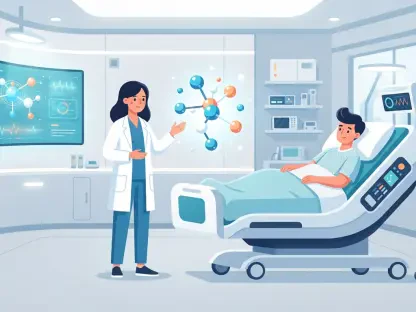
Telemedicine serves as the sophisticated digital backbone of this initiative, utilizing specialized platforms to bridge the gap between rural residents and urban specialists. Through the mandatory integration of eSanjeevani into daily workflows, the state has adopted a robust “hub-and-spoke” model that provides remote villagers with high-level medical insights without the burden of exhausting travel. This digital link ensures that a patient in a secluded hamlet can receive a consultation from a cardiologist or a pediatrician located in a major metropolitan hospital. By institutionalizing these virtual consultations, the government has transformed telemedicine from an optional pandemic-era convenience into a standard requirement of clinical practice. This setup not only reduces the congestion in district-level hospitals but also significantly lowers the out-of-pocket expenses for families who would otherwise spend significant resources on transportation and lost wages to see a specialist.
Clinical Infrastructure: Enhancing Local Diagnostic Capacity
Beyond the provision of basic consultations, the reform prioritizes high-risk demographics and comprehensive diagnostic capabilities at the most granular levels of the system. Mobile healthcare units are now specifically tasked with the intensive monitoring of vulnerable groups, including women with high-risk pregnancies, newborns, and individuals living with chronic or infectious conditions such as tuberculosis, leprosy, and sickle cell disease. To support this specialized care, every Ayushman Arogya Mandir is mandated to maintain the equipment and supplies necessary to perform fourteen distinct types of laboratory tests. This focus on logistical readiness ensures that doorstep healthcare is not merely a screening service but a fully functional clinical experience. By keeping a steady inventory of essential medicines and intravenous fluids, these centers can provide immediate treatment for acute issues while managing long-term health risks, thereby integrating preventative and curative medicine into a single, unified grassroots operation.
Rigorous Accountability: Monitoring the Quality of Rural Care
To ensure that these significant structural changes result in tangible health improvements, a multi-layered oversight mechanism has been established to track organizational performance with precision. This data-driven hierarchy involves daily reviews conducted by medical officers, weekly assessments by taluka health officials, and comprehensive monthly reports managed at the district level. A seven-member state committee now meets every three months to evaluate progress, focusing on metrics such as outpatient attendance, the volume of virtual consultations, and the availability of critical medicine stocks. This level of institutional accountability holds every tier of the medical bureaucracy responsible for service delivery, creating a transparent environment where logistical bottlenecks are identified and addressed in real-time. By utilizing performance data to drive policy adjustments, the state has built a self-correcting system that aims to maintain a high standard of care for every rural citizen.
Institutional Success: Looking Toward a Universal Care Model
The implementation of the Maharashtra healthcare model demonstrated that the integration of mobile clinics and digital tools was the most effective way to modernize rural medical services. By late 2026, the state successfully transitioned from a static infrastructure to a dynamic, patient-centric system that prioritized accessibility and accountability. Healthcare administrators recognized that the success of these programs depended on maintaining reliable internet connectivity and ensuring a steady supply of trained medical personnel willing to engage in community outreach. Future considerations for other regions involved the expansion of these mobile units to include more advanced diagnostic technology, such as portable ultrasound and automated screening tools for non-communicable diseases. The shift toward a “doorstep” healthcare model proved that technology, when paired with a disciplined organizational structure, could eliminate the last-mile challenge. Moving forward, policymakers focused on scaling this hybrid approach to ensure that high-quality medical care became a universal right.