
Integrating voice-to-text journaling directly into a wearable allows users to log dietary habits and physical symptoms the moment they occur rather than relying on memory. This innovative approach addresses the fundamental disconnect between automated sensor data and the qualitative human
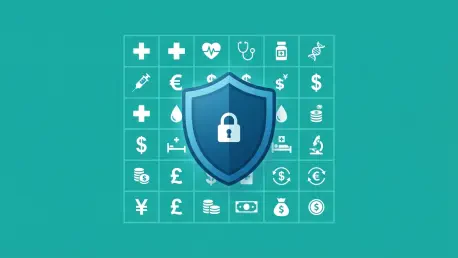
The resolution of the American Medical Collection Agency litigation provides a vital recovery mechanism for millions of individuals whose privacy was violated by external hackers. This settlement marks a significant conclusion to the multidistrict litigation known as In re: American Medical

The digital architecture of modern medicine is currently under a relentless assault that exposes the most intimate details of millions of American patients to anonymous actors. This crisis reached a tipping point when Quest Diagnostics confirmed that its Quanum Lab Services Manager was compromised
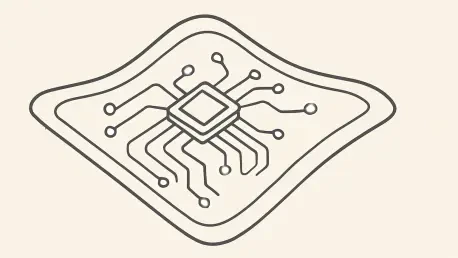
On-device training in federated learning systems often results in slower model convergence and higher energy consumption than the low-cost microcontrollers in biosensors can manage. This technical bottleneck is merely the tip of the iceberg when considering the global deployment of next-generation
While Federated Learning allows medical devices to analyze sensitive patient data locally, the decentralized framework creates new opportunities for adversaries to manipulate model updates. This shift toward the Internet of Medical Things has connected thousands of sensors, from pacemakers to

The Kentucky Cabinet for Health and Family Services has clarified that while billing and identity data were compromised, Social Security numbers and electronic health records remained secure. This revelation comes as a relief to many, yet it does not diminish the gravity of an incident that left