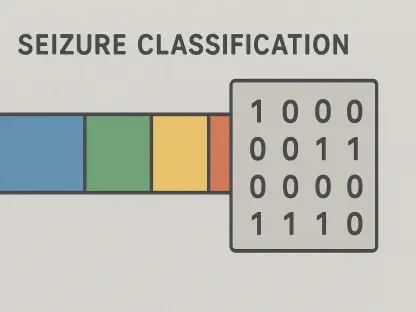

The landscape of neurological research underwent a fundamental transformation with the publication of the 2024 McDonald Criteria in The Lancet Neurology, setting a new benchmark for diagnostic accuracy and speed. These updated standards replaced the long-standing 2017 framework, introducing a more
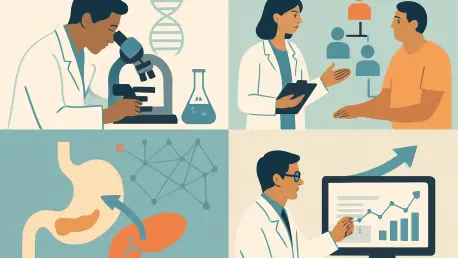
The staggering acceleration of chronic metabolic conditions globally has forced a fundamental transformation in how medical researchers conceptualize, design, and execute the large-scale clinical investigations necessary for drug approval. For decades, the pharmaceutical industry relied on a rigid,

Stroke remains one of the most devastating health events for aging populations because its onset often follows a period of silent physiological decline that bypasses standard detection methods. Traditional medical models rely heavily on periodic clinical visits, which capture only a momentary

Families across the United States are encountering a disconcerting reality as local clinics fill with patients reporting severe respiratory distress while federal health dashboards remain stagnant. This rift between the lived experience of the American public and the official metrics provided by

Modern medical science relies heavily on the promise that personal health information remains confidential once identifiers like names or social security numbers are removed from a dataset. However, recent breakthroughs in artificial intelligence have begun to erode this foundational trust by

The pharmaceutical industry has long grappled with a persistent and costly bottleneck in the development of life-saving medications: the inability of animal models to accurately predict human responses. On July 9, 2026, Axxam S.p.A. and HeartBeat.bio AG announced a landmark strategic partnership