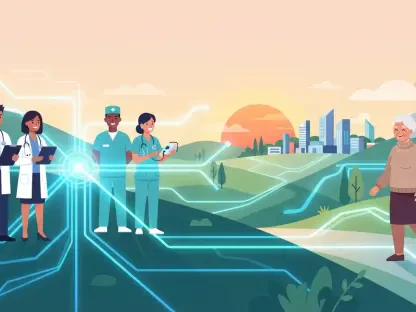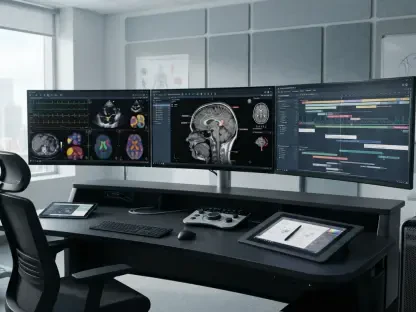

The Department of Health’s strategic framework is built upon four pillars including prevention, world-class quality of care, innovation, and strengthened preparedness to ensure long-term systemic resilience. This paradigm shift represents a move toward a proactive, precision-based system that treats the family as the core of a stable society. By merging genetic research with advanced technology, the emirate is establishing a new global benchmark for public health management across every stage of life. This systematic restructuring is designed to foster a resilient population where health is not just the absence of disease but a state of complete physical and mental well-being. The approach is supported by a comprehensive roadmap that integrates medical support into major life milestones. As the government continues to refine these systems, the focus remains on creating a holistic ecosystem where care is accessible, personalized, and prepared for future global health challenges. This evolution is not merely about expanding hospital capacity but about rewriting the social contract of health, ensuring every citizen is empowered.
Strategic Foundations: Pillars of Care and Excellence
The implementation of this healthcare revolution is rooted in a massive infrastructure comprising over 3,800 facilities that adhere to the highest international clinical standards. Rather than focusing solely on hospital expansion, the Department of Health has prioritized a shift toward identifying health risks before they develop into chronic conditions. This methodology ensures that residents receive elite services regardless of their physical location within the emirate. Quality control is managed through a rigorous monitoring system that tracks patient outcomes and clinical efficiency in real time. By establishing these high benchmarks, the system guarantees a level of consistency that is often lacking in large-scale healthcare networks. Furthermore, the integration of preventative strategies into everyday clinical practice allows medical professionals to address social determinants of health alongside physical symptoms. This balanced approach creates a sustainable medical environment that can adapt to the evolving needs of a diverse and growing population.
Innovation serves as the engine of this framework, particularly through the use of Artificial Intelligence and advanced data analytics to refine patient care. Specialized Centers of Excellence have been established to provide world-class expertise in complex fields like cardiac surgery, organ transplantation, and pediatric oncology. These hubs are supported by a Unified Medical Operations Centre that functions around the clock to manage resources and coordinate emergency responses. This centralized oversight allows for the seamless distribution of medical supplies and personnel during times of high demand or public health crises. Moreover, the focus on innovation extends to clinical research, where local data is used to develop treatments specifically tailored to the regional population. By fostering a culture of continuous improvement, the emirate has solidified its reputation as a destination for medical tourism and a leader in scientific advancement. This proactive investment in technology ensures that the healthcare system remains robust.
Personalized Medicine: From Genomics to Family Life
A cornerstone of the current strategy is the integration of genomic science into the lifelong health journey of every citizen. This process begins with the IFHAS program, which offers comprehensive screenings to adults starting at age 18 to identify potential health risks early. Recently, this initiative was expanded to include reproductive health assessments, enabling young adults to understand their biological status well before starting a family. For those planning to marry, a mandatory genetic screening program evaluates over 570 genes associated with various hereditary conditions. This data-driven approach empowers couples to make informed decisions about their future, effectively preventing the transmission of many genetic disorders to the next generation. By embedding these scientific advancements into the social fabric of family planning, the system addresses long-term health trends at a fundamental level. This commitment to genetic health not only improves individual lives but also reduces the long-term economic burden of chronic illness.
Once a family begins to expand, the healthcare system provides an extensive safety net through advanced maternal and pediatric services. The Newborn Genetic Screening Program stands as one of the most comprehensive globally, testing infants for 815 treatable conditions shortly after birth. This allows for immediate medical intervention for disorders that might not show physical symptoms initially but could lead to permanent complications if left unaddressed. Beyond clinical screening, postnatal care has been reimagined to focus on the holistic recovery of the mother, utilizing a blend of home visits and teleconsultations to monitor physical and mental health. The development of dedicated healthcare cities for women and children further exemplifies this specialized approach, providing a tailored environment for the most vulnerable residents. These facilities integrate pediatric subspecialties with supportive social services, ensuring that children grow up in an environment where their medical needs are met with the highest level of care.
Digital Ecosystems: Empowering Patients Through Technology
The digital backbone of this transformation is Malaffi, a sophisticated health information exchange platform that connects the vast majority of healthcare providers. This system provides clinicians with access to a unified patient record, which significantly reduces diagnostic errors and eliminates the costs associated with redundant medical testing. Over time, Malaffi has evolved to include AI-powered risk profiles that help doctors predict a patient’s likelihood of developing chronic conditions based on historical data. To empower the public, the Sehhatna mobile application serves as a central digital gateway, allowing users to book appointments and view their medical records with ease. By integrating health data into the broader government digital infrastructure, the emirate has made managing personal health a seamless part of modern life. This transparency allows patients to be more engaged in their own treatment plans, leading to better compliance and improved outcomes. The use of data analytics ensures that resources are deployed efficiently.
While high-tech interventions are vital, the regional health strategy recognizes that consistent primary care and community wellness are the true drivers of longevity. A vast network of over 800 family physicians has been established to serve as the primary point of contact for residents, fostering long-term relationships between doctors and patients. This model ensures that chronic diseases are managed effectively and that health education is delivered in a personalized manner. To further bridge the gap between clinics and daily life, the emirate hosts the Abu Dhabi Health Festival, a community-wide event focusing on physical activity, nutrition, sleep, and mental well-being. By engaging thousands of participants, the initiative seeks to normalize healthy living as a social standard rather than a medical chore. These efforts are designed to empower individuals to take ownership of their health through small, sustainable lifestyle changes. This grassroots approach complements clinical excellence by creating a culture that values prevention.
Global Resilience: The Path Toward Social Responsibility
In order to maintain a global standard of care, the emirate actively pursues international collaborations that enhance domestic capabilities. The Visiting Doctors Program brings world-renowned medical experts to the region, allowing residents to receive elite treatment without the need for international travel. This program serves a dual purpose by facilitating a vital transfer of knowledge, as international specialists work alongside local healthcare professionals to share advanced techniques and insights. Furthermore, the establishment of a centralized command structure ensures that the system remains resilient during unforeseen emergencies. The Unified Medical Operations Centre coordinates resources across various private and public providers to maintain continuity of care at all times. Whether addressing routine medical needs or large-scale health challenges, this level of coordination ensures that every family has access to reliable and uninterrupted support. This strategic integration of global expertise and local oversight creates a health system that is flexible.
The transition toward a social responsibility model marked a major turning point for the emirate’s medical strategy. Success in this area relied on the seamless link between prevention, clinical excellence, and digital empowerment. By making genomics a standard part of care and focusing on the family unit, the system created a support structure that naturally encouraged healthier generations and more informed citizens. The data proved that providing patients with their own medical records shifted the power dynamic, allowing them to be proactive rather than reactive. This integrated approach effectively reduced the burden of lifestyle-related diseases through consistent education and early intervention. As these initiatives reached their intended milestones, the focus remained on building a resilient social fabric where health was viewed as a collective responsibility. This model provided a blueprint for future developments in the industry, ensuring that healthcare remained a pillar of social stability. Looking forward, the system continued to prioritize ethical data usage.