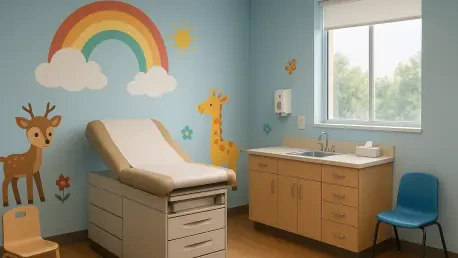
Providing a dedicated space for non-life-threatening conditions like ear infections and stomach ailments, the new Fontana clinic helps alleviate the dangerous overcrowding in traditional emergency departments. For years, families in the Inland Empire faced the harrowing prospect of waiting eight to

Legislative changes made during the pandemic increased the percentage of fully subsidized exchange plans from 15% to over 40%, inadvertently expanding targets for fraudulent activity. This shift created a massive incentive for bad actors to exploit the Affordable Care Act framework, leading the

The strategic move toward lifelong monitoring mirrors global trends seen in the United States, where regulators are exploring lifecycle-based oversight for healthcare software. This shift represents a departure from the traditional "set and forget" mentality that has historically governed medical

Research from the University of North Carolina’s Sheps Center indicates that every study on telehealth modality shows significantly lower video usage among non-English speakers. This specific digital divide has persisted despite the rapid expansion of virtual care platforms in recent years. For
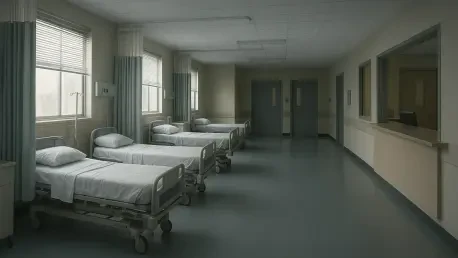
The recent transfer of oversight for regional national university hospitals from the Ministry of Education to the Ministry of Health and Welfare has exposed a deep-seated systemic crisis that threatens the very foundation of South Korea's public medical infrastructure. This administrative shift,

Identifying whether a medical facility operates as a nonprofit is the first essential step in determining a patient's legal right to apply for a reduction in their total bill. For many, receiving a medical statement in the mail triggers a frantic search for payment options, often leading to