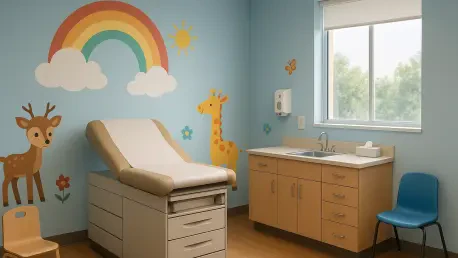

Providing a dedicated space for non-life-threatening conditions like ear infections and stomach ailments, the new Fontana clinic helps alleviate the dangerous overcrowding in traditional emergency departments. For years, families in the Inland Empire faced the harrowing prospect of waiting eight to ten hours in general hospital settings for routine pediatric concerns, often sitting alongside adults with severe trauma or infectious diseases. This new facility, spanning approximately 12,000 square feet, introduces 17 specialized treatment rooms designed specifically for the physiological and emotional needs of children. By maintaining extended operating hours until 10 p.m. on weekdays and 7 p.m. on weekends, the clinic recognizes the logistical hurdles faced by working parents who cannot always seek care during standard business hours. This strategic expansion by Loma Linda University Children’s Health serves as a pivotal localized response to a system that has long been overstretched by the rapid population growth of San Bernardino County.
Economic Realities: Navigating Modern Healthcare Policy
The timing of this clinic’s opening is particularly significant given the recent implementation of the One Big Beautiful Bill Act, which has introduced a planned $1 trillion reduction in federal Medicaid funding from 2026 to 2035. These national policy shifts have exerted immense pressure on California’s Medi-Cal program, leaving many regional healthcare providers to navigate a landscape of shrinking reimbursements and rising operational costs. In San Bernardino, the economic strain became painfully visible when Social Action Corps Health was forced to cut over 100 staff positions and close two facilities due to a $10 million budget deficit earlier this year. In this climate of contraction, the new Fontana pediatric center represents a rare and critical investment in public health infrastructure. It provides a specialized safety net for families who are increasingly vulnerable as other non-profit clinics are forced to consolidate services or cease operations entirely.
Beyond the immediate financial hurdles, the clinic addresses a profound geographical disparity in the availability of specialized medical professionals. While the Inland Empire is home to over 1.2 million children, the region currently supports only about half the number of pediatric providers found in neighboring coastal hubs like Orange or San Diego counties. Statistics highlight a stark reality: the region maintains only 83 specialists for every 100,000 residents, a figure that pales in comparison to the California statewide average of 131. This shortage often forces parents to undertake long, stressful commutes to Los Angeles for consultations that should be available locally. The establishment of this dedicated center helps bridge this gap by bringing essential services directly to the community, ensuring that a child’s zip code does not dictate their access to quality healthcare. By centralizing these resources in Fontana, the health system takes a vital step toward achieving regional equity in pediatric medicine.
Industrial Growth: Addressing Regional Health Hazards
A major component of the clinic’s mission involves managing the health consequences of the Inland Empire’s massive industrial transformation. The rapid proliferation of warehouses and logistics centers has turned the region into a global shipping powerhouse, but this economic success has come with a measurable environmental cost for local youth. Recent studies from the California University of Science and Medicine have correlated proximity to major trucking corridors and rail hubs with a sharp rise in pediatric asthma and other chronic respiratory conditions. The new clinic is specifically equipped to handle these respiratory cases, offering a localized point of intervention for children living in high-impact zones. However, the presence of the clinic also underscores a persistent policy tension. While municipal leaders celebrate the medical facility as a victory, the city’s ongoing approval of warehouse expansions suggests a complex struggle between maintaining industrial growth and mitigating the air quality issues that drive children into urgent care.
To ensure long-term stability, the healthcare sector prioritized the integration of air quality monitoring with clinical intervention to create a proactive public health model. The success of the Fontana facility demonstrated that localized specialized care effectively reduced the burden on emergency departments during times of fiscal uncertainty. Moving forward, providers identified the need to strengthen cross-sector partnerships that addressed the root causes of pediatric illness, such as industrial pollution and socioeconomic barriers to nutrition. It was clear that medical facilities alone could not solve the regional health crisis without concurrent reforms in urban planning and sustainable logistics. Policymakers and health administrators evaluated how telehealth could further extend the reach of the Fontana specialists to even more remote parts of the county. Ultimately, the clinic served as a foundational blueprint for how regional health systems survived and adapted within an era defined by federal budget cuts and evolving environmental challenges.