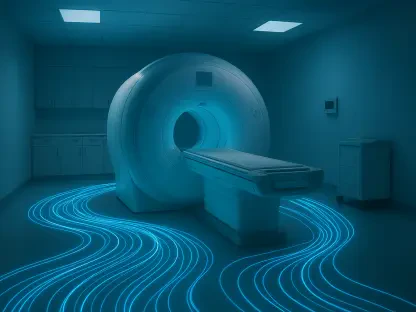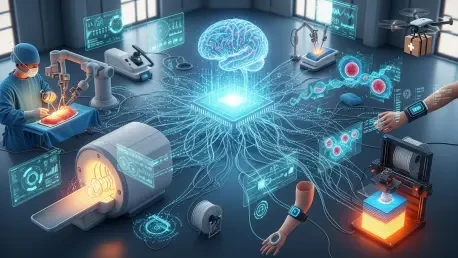

The traditional perception of medical technology as a collection of massive, static hardware is rapidly dissolving as sophisticated software algorithms take center stage in clinical environments across the globe. While the physical presence of MRI machines remains foundational to modern hospitals, the intellectual weight of these systems has shifted toward the digital applications that control them. This transition is particularly transformative in India, where the emphasis is moving from merely acquiring high-end machinery to developing Software-as-a-Medical-Device. These intelligent software layers act as a bridge between raw data collection and actionable clinical insights, enabling healthcare providers to extract maximum value from their existing infrastructure. By focusing on software innovation, the industry is effectively addressing the disparities in healthcare quality. This digital-first approach allows for faster iterations, ensuring technology evolves at the speed of research.
Addressing the Specialist Shortage: Automated Diagnostic Solutions
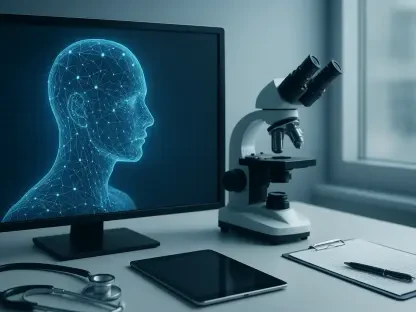
The healthcare landscape is currently navigating a significant shortage of specialists, particularly in fields like radiology and cardiology, where the demand for expert analysis often outstrips the available workforce. To mitigate this crisis, AI-powered diagnostic tools have been integrated into daily clinical workflows to provide automated, real-time data analysis. These algorithms do not replace human practitioners but rather augment their existing capabilities, allowing them to process high volumes of patient data with greater accuracy and speed. In busy urban hospitals, such software-driven solutions help prioritize critical cases by flagging urgent abnormalities in imaging or cardiac rhythms. This efficiency ensures that patients requiring immediate intervention receive it without delay, while also reducing the cognitive load on medical staff. The consistent performance of these digital tools provides a secondary layer of verification, minimizing error and enhancing reliability.
Extending advanced medical services to rural and underserved populations has necessitated a shift toward Edge AI and decentralized care models. By processing data directly on portable devices, such as handheld ultrasound machines and miniature ECG monitors, healthcare workers can provide immediate diagnostic insights in the field. This localized processing is essential in regions where stable internet connectivity remains a challenge, as it removes the dependency on cloud-based servers for real-time analysis. Furthermore, performing computation at the edge enhances patient privacy by keeping sensitive health data on the device itself during the initial screening process. This technological evolution brings high-quality diagnostics directly to the patient’s bedside, effectively democratizing access to expert-level care. The ability to perform complex analysis in remote settings allows for earlier detection of conditions, significantly improving the health outcomes for the millions who reside far from specialized centers.
Transitioning to Proactive Care: Integrated Software Systems
The integration of advanced software into the medical ecosystem is facilitating a critical shift from reactive treatment to proactive, data-driven health management. Through the widespread adoption of wearables and continuous biosensors, clinicians can now monitor physiological changes in real-time, moving beyond the limitations of periodic check-ups. These devices generate a constant stream of health metrics that predictive algorithms analyze to identify subtle trends indicative of impending health crises. For individuals managing chronic conditions like diabetes, this capability allows for early intervention before symptoms escalate into emergencies. By forecasting adverse health events, the medical community can transition from managing sickness to maintaining wellness, which improves long-term survival rates. This shift also alleviates the financial burden on the healthcare system by reducing the need for emergency room visits. The resulting data-rich environment empowers patients to make informed decisions.
Beyond the realm of diagnostic imaging, Software-as-a-Medical-Device is rapidly expanding into the complex field of Clinical Decision Support Systems. These platforms function by synthesizing diverse data points, including laboratory results, detailed patient histories, and genomic information, to suggest evidence-based treatment pathways. This comprehensive data-driven approach is currently transforming specialized fields such as digital pathology and ophthalmology, where high-resolution images require nuanced interpretation. By providing clinicians with structured, data-backed recommendations, these systems enhance the precision of the healthcare journey, from the initial consultation to post-treatment follow-ups. This integration ensures that medical decisions are informed by the latest clinical research, reducing variability in care quality across facilities. The ability to cross-reference vast datasets instantaneously allows for a more personalized approach to medicine, tailoring treatments to specific needs.
Strategic Implementation: Historical Progress and Future Strategy
The healthcare community successfully prioritized the integration of modular software architectures and established a rigorous framework for governance and interoperability. Decision-makers implemented robust training programs for medical staff, which facilitated the seamless adoption of automated diagnostic tools within traditional hospital settings. This strategic investment in human capital ensured that the transition to software-driven care was supported by a workforce capable of interpreting complex digital outputs. Furthermore, regulators and private entities collaborated to establish clear data-sharing protocols that protected patient anonymity while adhering to international safety standards. These efforts collectively created a more resilient medical infrastructure that proved capable of handling sudden surges in patient volume without compromising the standard of care. By treating software as a core medical asset, organizations achieved a level of operational flexibility and safety previously unattainable.
Strategic initiatives shifted toward the establishment of dedicated MedTech hubs and the exploration of quantum-inspired computing to redefine signal processing. This change in focus allowed for continuous updates to existing medical platforms, extending the useful life of hardware through iterative software enhancements. Policy frameworks were enacted to encourage domestic innovation, reducing reliance on external supply chains and fostering a culture of localized research. These advancements addressed the ethical implications of autonomous systems, ensuring that human oversight remained a central component of the diagnostic process. The successful implementation of these strategies demonstrated that the potential of medical technology was unlocked through the fusion of intelligent software and clinical expertise. Moving forward, the industry solidified a path toward a more equitable healthcare model where advanced diagnostics were no longer restricted by geography or socioeconomic status.