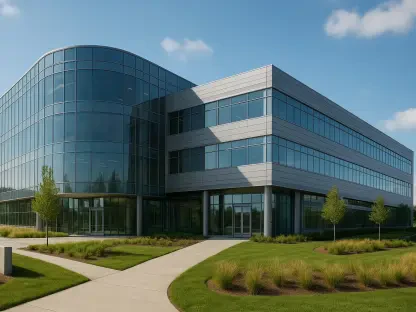

The ceremonial breaking of ground on a massive one-billion-dollar medical campus in Ada, Oklahoma, represents a historic moment for tribal sovereignty and the expansion of high-quality healthcare services within the Chickasaw Nation. This ambitious project aims to replace existing facilities that have reached capacity, providing a modern hub for specialized treatments that were previously unavailable in the immediate region. By investing such significant capital, the tribal government is addressing the growing needs of its citizens while also positioning itself as a regional leader in medical innovation. The campus will eventually house a state-of-the-art hospital, diagnostic centers, and research wings designed to tackle chronic illnesses prevalent in local populations. This initiative reflects a long-term commitment to self-sufficiency and the belief that access to world-class medical care is a fundamental right for every citizen within their own community. The scale of the construction underscores a vision for a healthier future where technology and tradition work in tandem.
Advanced Medical Infrastructure and Regional Economic Impact
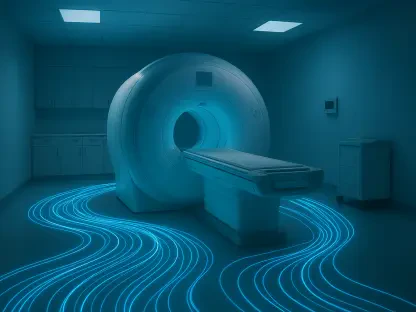
The architectural design of the new medical center incorporates the latest advancements in healthcare technology, ranging from robotic surgery suites to sophisticated imaging laboratories. Integrating these high-tech solutions allows the medical staff to perform complex procedures that once required patients to travel hundreds of miles to urban centers. Furthermore, the facility includes a specialized oncology wing and a comprehensive heart center, both of which are equipped with AI-driven diagnostic tools to improve early detection rates for critical conditions. These investments go beyond mere hardware; they represent a fundamental shift toward data-driven medicine that prioritizes personalized patient outcomes. By utilizing secure cloud-based systems for health records, the center ensures that multidisciplinary teams can collaborate seamlessly across different departments. This level of technical integration is intended to reduce administrative bottlenecks and allow clinicians to focus on direct care.
Constructing a facility of this magnitude generates substantial economic ripple effects across the region, beginning with thousands of construction jobs and transitioning into permanent medical and administrative roles. This project acts as a catalyst for local business growth, as the influx of professionals and patients creates demand for housing, retail, and hospitality services in the surrounding areas. The Chickasaw Nation has prioritized hiring locally, providing specialized training programs to ensure that residents can qualify for the high-paying technical positions the new center offers. This focus on workforce development ensures that the economic benefits of the billion-dollar investment remain within the community for generations. Additionally, the presence of such a high-caliber institution attracts top-tier talent from across the nation, fostering a vibrant intellectual community of researchers and practitioners. This talent influx stimulates the local economy while elevating the standard of care.
Implementation Strategy: Future Vision and Tribal Sovereignty
The leadership established a clear roadmap for the multi-phase rollout of services, ensuring that the transition from old facilities to the new campus occurred without disrupting patient care. They prioritized the completion of the emergency and intensive care units first to address immediate high-priority needs within the local population. To maximize the utility of the new technology, the administration launched an intensive upskilling initiative for existing staff, focusing on digital literacy and the operation of the new diagnostic equipment. This proactive approach mitigated the learning curve typically associated with moving into a highly automated medical environment. Furthermore, the development team implemented a rigorous sustainability framework, utilizing geothermal energy and advanced water filtration systems to lower the long-term operational costs of the massive complex. These decisions were not merely about environmental stewardship but were also aimed at ensuring the financial longevity of the institution for years to come.
Stakeholders recognized that the physical structure was only the foundation, so they moved to establish robust international research partnerships to drive innovation from within the new campus. They focused on building a centralized bio-bank and a genomic research center that allowed scientists to study health disparities with unprecedented precision. These efforts moved the institution beyond a standard care provider into the realm of a global contributor to medical knowledge. Actionable strategies included the integration of mobile health units that extended the reach of the center’s specialists into the most remote parts of the tribal territory. This hybrid model of centralized excellence and decentralized access successfully bridged the gap in healthcare equity for all citizens. The administration also secured long-term funding for community outreach programs that promoted healthy lifestyles and early screening. By treating health as a communal asset, the project set a new standard for modern tribal health systems globally.