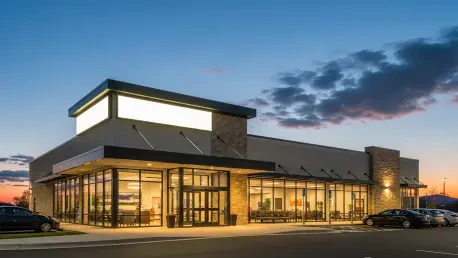

The landscape of suburban healthcare is witnessing a significant transformation as providers seek to integrate high-efficiency service models into the existing fabric of metropolitan neighborhoods. SmartMed recently unveiled a comprehensive plan to establish a pioneering drive-through urgent care facility within the city limits of Dunwoody, aiming to redefine how residents access immediate medical attention for non-emergency conditions. This proposal reflects a broader national shift toward decentralized health services that prioritize patient convenience and infectious disease mitigation without compromising clinical standards. By utilizing a former bank building with existing drive-through infrastructure, the company intends to minimize contact between patients while maintaining a steady flow of treatment services. The initiative has already sparked discussions regarding traffic impact, zoning ordinances, and the long-term viability of drive-in medical models in residential corridors.
Evolution: Clinical Service Models
The concept of drive-through healthcare gained significant momentum following the global health challenges of the previous decade, evolving from temporary testing sites into permanent clinical fixtures. This model addresses a growing demand for low-touch medical environments where patients can receive care for minor ailments, such as flu symptoms or allergic reactions, without ever leaving the safety and comfort of their vehicles. SmartMed’s approach in Dunwoody involves a triage system where medical professionals utilize specialized kiosks and handheld diagnostic devices to interact with patients. This minimizes the risk of cross-contamination in shared waiting rooms, a concern that remains at the forefront of patient psychology even as clinical practices have become more robust. Furthermore, the integration of real-time electronic health record updates allows these mobile units to provide a level of care continuity previously reserved for traditional hospital environments today.
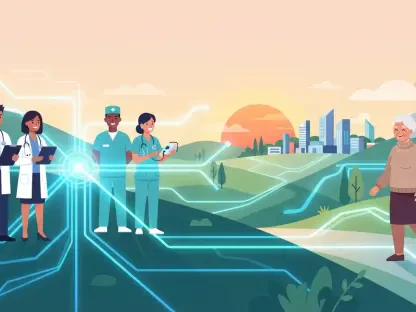
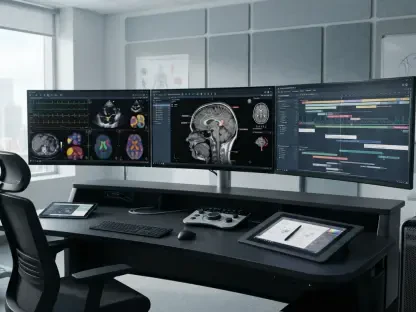
Central to the success of this drive-through initiative is the deployment of advanced medical technology that supports rapid diagnostics and remote patient monitoring. SmartMed planned to utilize high-resolution imaging and smart sensors that could capture vital signs and transmit them instantaneously to a centralized clinical team located within the facility. This technological backbone ensured that the physical distance between the provider and the patient did not result in a loss of diagnostic accuracy or personal connection. Moreover, the use of automated prescription systems and digital discharge instructions meant that a patient could complete an entire urgent care visit in a fraction of the time required by a brick-and-mortar establishment. The efficiency gained through these digital workflows allowed for a higher volume of patient interactions while reducing the overhead costs associated with maintaining large, climate-controlled waiting areas for the public today.
Community: Planning and Logistics
Implementing such a novel concept in an established community like Dunwoody required a careful navigation of local zoning regulations and public sentiment regarding urban density. Local officials scrutinized the SmartMed proposal to ensure that the repurposing of existing commercial lots would not lead to excessive traffic congestion or noise pollution for neighboring residential pockets. The plan included a detailed traffic management strategy, utilizing digital queueing systems that informed patients of their appointment times via mobile notifications, thereby preventing long lines of idling cars from spilling onto main thoroughfares. Advocates for the project highlighted the economic benefits, noting that modernizing underutilized commercial properties could stimulate further investment in the city’s service sector. However, the planning commission remained focused on how the aesthetic would align with the city’s broader architectural guidelines and community identity.
Ultimately, the move toward drive-through urgent care in Dunwoody demonstrated a significant pivot in how municipalities addressed the needs of an increasingly mobile and time-sensitive population. City planners and medical directors collaborated to refine operational standards, focusing on the long-term integration of sustainable practices and advanced telecommunications within the local health infrastructure. These discussions paved the way for a more flexible regulatory framework that accommodated the unique needs of hybrid medical services, offering a scalable model for other suburban hubs facing similar logistical constraints. Future developments likely emphasized the role of artificial intelligence in predicting patient surges, allowing facilities to adjust staffing levels in real-time to maintain high service efficiency. By prioritizing the intersection of technological capability and community planning, the stakeholders established a foundation for a more resilient and accessible network.