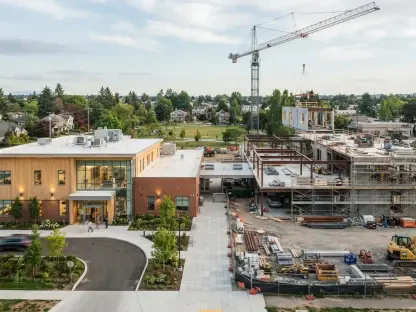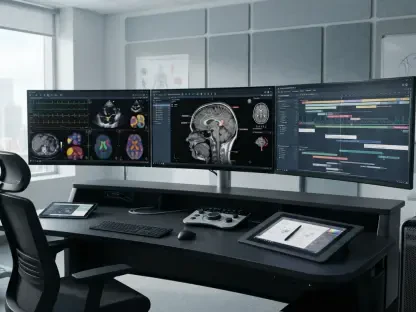

The physical layout of the emergency department is strategically designed to eliminate delays, featuring specialized equipment and supplies that are kept ready for immediate use in critical cases. In the high-stakes environment of emergency medicine, the difference between a full recovery and a permanent disability often hinges on a window of time known as the golden hour. This sixty-minute interval represents the critical period following a traumatic injury during which prompt medical intervention is most likely to prevent death or long-term complications. At UNM Sandoval Regional Medical Center, this philosophy is not merely a guideline but the operational core of their trauma services. Every square inch of the facility facilitates a rapid transition from initial triage to definitive care, ensuring that life-threatening conditions like internal bleeding or respiratory failure are addressed before irreversible damage occurs. This level of readiness is essential for the region.
Foundations of Clinical Readiness and Training
Achieving a Level-III trauma designation is a rigorous process that demands a high degree of clinical readiness and specialized personnel. At the heart of this readiness is the nursing staff, all of whom are required to complete the Trauma Nursing Core Course. This intensive training empowers nurses to perform rapid, comprehensive head-to-toe assessments that can identify subtle signs of internal injury which might be overlooked in a standard emergency setting. By training for high-acuity scenarios, these professionals develop the clinical intuition necessary to anticipate complications before they manifest as crises. This proactive approach is essential for managing the complex physiological responses seen in multi-system trauma. Furthermore, the presence of board-certified emergency physicians available around the clock ensures that the expertise required for stabilization is always present, creating a reliable safety net for patients.
Surgical availability is another cornerstone of the trauma center’s mission to protect the community. Having surgeons ready to respond at a moment’s notice allows the facility to handle acute cases that would otherwise require immediate transfer, saving vital minutes during the golden hour. This surgical readiness extends to specialized care for orthopedic injuries and general trauma, ensuring that patients receive definitive treatment locally whenever possible. The medical center also maintains a robust support system, including laboratory and imaging services that operate on a priority basis for trauma patients. This integration of surgical expertise and diagnostic support creates a streamlined workflow where decisions are made based on real-time data. By focusing on rapid intervention and expert care, the facility successfully bridges the gap between injury and recovery for those suffering from severe accidents or unexpected medical emergencies in the surrounding area.
Operational Infrastructure and Strategic Coordination
The infrastructure supporting these medical teams is just as critical as the clinical expertise itself. Dedicated trauma bays at the medical center are kept in a state of perpetual readiness, stocked with the advanced life-saving tools required for immediate intervention. Unlike standard emergency rooms where equipment might need to be retrieved from central storage, these specialized bays contain everything from rapid fluid infusers to advanced airway management kits right at the bedside. This meticulous organization eliminates precious seconds of searching or setup, allowing the medical team to focus entirely on the patient from the moment of arrival. The seamless transition from the ambulance bay to the trauma suite is a hallmark of the facility’s commitment to excellence. This environment allows for the initiation of resuscitative measures, such as blood transfusions or emergency surgical procedures, which are vital for patients in shock.
While the center is fully equipped to manage many trauma cases, it also serves as a node within a larger healthcare network. For the most complex cases requiring neurosurgery or specialized care for major vascular damage, the facility maintains a seamless link with UNM Hospital, the state’s only Level-I trauma center. This partnership relies on a dual-track stabilization and transfer protocol designed to maximize patient survival. While the local team works to stabilize the patient’s vital signs and control immediate bleeding, the logistics for high-priority transport are simultaneously activated. This ensures that a helicopter is often on the way before the initial assessment is even completed. This level of coordination ensures that patients receive the most appropriate care without unnecessary delays. This regional approach demonstrates how a Level-III center can function as both a definitive treatment site and a vital gateway to specialized care.
Regional Community Impact and Future Strategic Planning
The medical center acts as a vital high-acuity hub for the surrounding rural, Tribal, and Pueblo communities that often lack advanced surgical resources. For many residents in these areas, the facility represents the nearest point of access for life-saving trauma care, bridging the gap between remote locations and specialized medical intervention. Local clinics and smaller healthcare facilities rely on the medical center to provide the advanced stabilization that they cannot sustain independently. This collaborative regional approach ensures that geography does not become a barrier to survival for victims of serious accidents. By providing a centralized location for expert trauma care, the facility significantly improves the resilience of the entire region’s emergency response system. This role is particularly important during peak travel seasons when the risk of vehicle accidents increases, ensuring the community has a reliable and capable medical destination.
The trauma program demonstrated a profound impact on health outcomes by managing thousands of critical cases. By focusing on injuries common to the area, such as those from off-road vehicle accidents, the facility established itself as a cornerstone of local safety. The integration of rapid surgical response and specialized nursing care successfully reduced mortality rates and improved recovery prospects. The center prioritized the expansion of injury prevention programs to address root causes of trauma. These initiatives aimed to educate the public on safety protocols for recreational activities, further cementing the facility’s role in proactive healthcare. The lessons learned from mastering the golden hour provided a blueprint for other regional centers seeking to enhance readiness. This systematic approach ensured that the standard of care remained high while also fostering a culture of safety and preparedness throughout the community.