
Providing specialized recovery beds and around-the-clock urgent care serves as a foundational step in creating a pathway to dignity for residents who have been marginalized by the healthcare system. For decades, the metropolitan landscape of Los Angeles has been defined by a fragmented approach to psychiatric and medical assistance, often leaving the most vulnerable in a perpetual cycle of emergency room visits and street-level instability. The recent unveiling of the Restorative Care Village at the LAC+USC Medical Center marks a significant departure from these outdated reactive models. By situating critical stabilization services directly adjacent to acute hospital facilities, the county aims to eliminate the geographical and administrative hurdles that traditionally cause patients to fall through the cracks during discharge. This initiative does not merely provide a roof; it establishes a clinical ecosystem where medical recovery, mental health counseling, and transitional support are woven into a single tapestry of care.
Bridging the Gap: Transitioning from Hospital to Home
The core strength of this facility lies in its ability to manage the delicate transition period that occurs after a patient is medically stabilized but remains too fragile for independent living. Within the Recuperative Care Center, individuals receive ongoing clinical monitoring while having access to private rooms that offer a level of stability rarely found in traditional shelter environments. This specialized environment is essential for patients recovering from complex surgeries or chronic illnesses that require sterile conditions and consistent medication adherence. Simultaneously, the onsite Mental Health Urgent Care Center provides a vital alternative to standard emergency rooms, which are often ill-equipped to handle acute psychiatric episodes without long wait times or traumatizing security measures. By offering a therapeutic space for immediate crisis intervention, the village significantly reduces the burden on the hospital system while ensuring that psychiatric patients receive treatment in a setting designed for empathy.
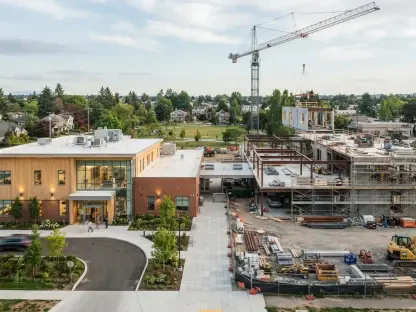
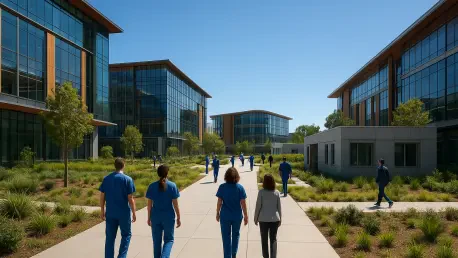
Furthermore, the village architecture intentionally incorporates permanent supportive housing units that serve as a long-term destination for those graduating from the acute and recuperative phases. These units are not isolated blocks but are integrated into a campus that features community gardens, shared communal spaces, and vocational training centers. The presence of social workers and case managers on-site ensures that residents have immediate access to assistance with social security benefits, legal aid, and substance abuse counseling. This holistic approach recognizes that healthcare outcomes are inextricably linked to social determinants like housing security and social connection. By providing a graduated path from intensive medical supervision to independent living with support, the village seeks to prevent the recurring relapses that characterize the chronic homelessness cycle. The integration of workforce development programs also empowers residents to regain financial independence for a sustainable life.
Evaluating the Impact: Economic and Social Trajectory
From a systemic perspective, the investment in restorative care represents a strategic shift toward fiscal responsibility and operational efficiency within the public health sector. Historical data suggests that the costs associated with repeated emergency room visits and law enforcement interventions for unhoused individuals far exceed the expenses of providing comprehensive transitional housing. By centralizing these services, Los Angeles County is effectively streamlining its resource allocation and creating a measurable reduction in hospital readmission rates. The ripple effects of this model extend beyond immediate medical savings, as it also alleviates the strain on the criminal justice system by providing a clinical alternative to incarceration for those experiencing behavioral health crises. The collaborative nature of the village, which involves partnerships between health departments, serves as a blueprint for inter-agency cooperation that could be replicated in other high-density environments facing the same issues.
Achieving widespread success required a transition toward standardized protocols that prioritized the expansion of these villages into every major municipal district by 2028. Policymakers recognized that the LAC+USC facility was only the first milestone in a broader regional strategy to eliminate service deserts in high-need neighborhoods. Funding mechanisms were adjusted to incentivize the development of smaller, localized hubs that mirrored the restorative model’s focus on integrated behavioral and physical health. To maintain this momentum, city planners integrated zoning reforms that facilitated the rapid construction of modular recuperative units near existing transit lines. This proactive stance ensured that the infrastructure for recovery kept pace with the growing demographic shifts in the urban population. Moving forward, the focus shifted toward longitudinal data collection to refine treatment modalities and ensure that vocational outcomes remained consistent across different socioeconomic backgrounds.