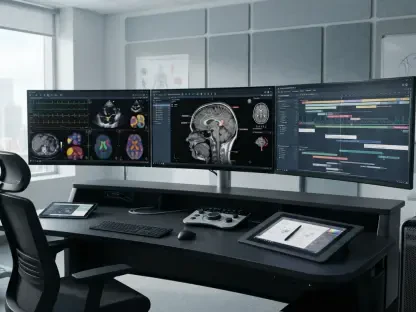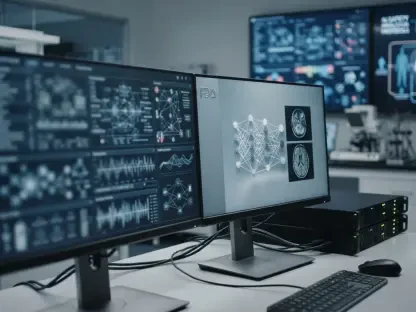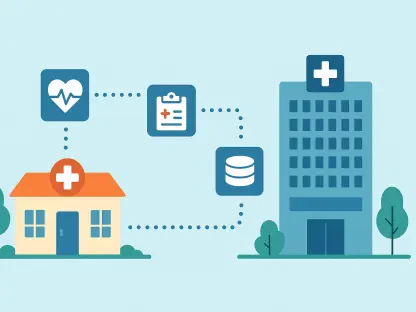
The deployment of medical imaging AI is often hindered by inconsistent scanner hardware and varying imaging protocols that require labor-intensive manual intervention for every new study. This fragmentation has long served as a barrier to the seamless integration of digital health tools within

Data from the Centers for Disease Control and Prevention indicates that approximately one in eight women report symptoms of postpartum depression after childbirth. This statistic represents a profound systemic failure in modern medicine where the identification of risk does not always translate
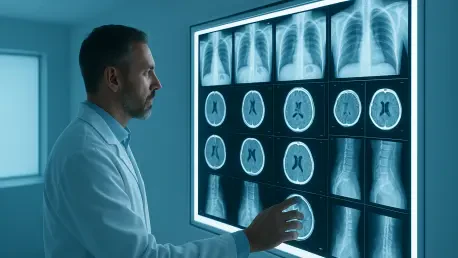
When a machine interprets a patient’s life-altering medical scan, the silent question echoing through the halls of modern hospitals is no longer whether the technology works, but rather who is actually watching the watcher. This fundamental uncertainty has prompted the Food and Drug Administration

Technical nuances in how death certificates identify a single underlying condition are often at odds with the rapid reporting needs of state-level disease containment efforts. The situation in Lancaster County, Pennsylvania, has become a flashpoint for this systemic friction, where the local health
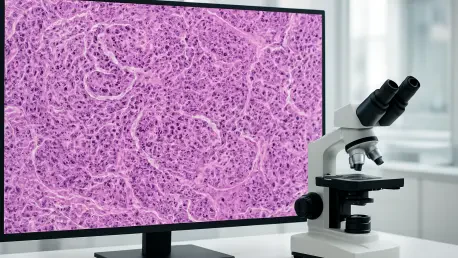
Michigan Medicine’s integration demonstrates that clinical data becomes research-grade when stored in standardized DICOM formats within a vendor-neutral archive. This landmark achievement has set a new standard for medical informatics in the United States, proving that digital pathology is no

Daily tracking of student emotional states shows that anxiety regarding machine replacement acts as a new stressor class in an already high-pressure curriculum. The contemporary healthcare landscape has shifted the conversation from speculative risks to immediate clinical concerns as medical and