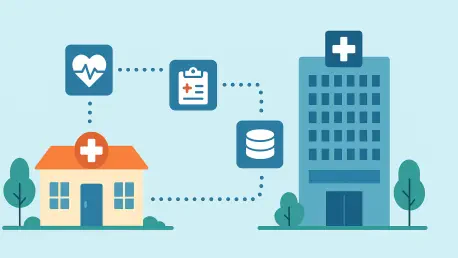

Standardizing data reporting formats across all agencies is a critical step toward reducing the massive administrative lift required of rural staff. In the healthcare landscape of 2026, the transition from paper records to digital infrastructure was supposed to unify the American medical system, yet it has inadvertently widened the “digital divide” between urban and rural providers. This interoperability crisis is defined by a systemic failure where older electronic health record (EHR) platforms in small facilities cannot communicate with the modern, high-speed protocols used by larger metropolitan medical centers. According to the University of Nebraska, urban EHR adoption stands at seventy-four percent, while rural hospitals lag at sixty-four percent, creating a ten-percent gap that leaves millions of patients in a fragmented system. This technological friction is not merely an administrative issue; it is a direct threat to patient safety, financial stability, and the fundamental promise of healthcare equity across the nation.
Clinical Consequences: The Reality of Information Silos
When patients are transferred from rural clinics to urban specialty centers, the lack of data interoperability often results in a dangerous information blackout. Physicians frequently find that they cannot access vital diagnostic images or laboratory results, which necessitates the repetition of expensive tests and creates unnecessary delays in critical care. Furthermore, the absence of a synchronized digital record forces clinicians to rely on a patient’s memory for medication histories and allergy lists, a practice that significantly increases the risk of medical errors. This fragmentation essentially creates a two-tiered safety system where rural residents do not benefit from the same data-informed protections as their urban counterparts. The technical friction between incompatible software suites ensures that even routine care transitions become complex logistical challenges, often requiring staff to revert to outdated methods like faxing records or hand-delivering physical storage media to ensure patient data arrives at its destination safely.
Human Capital: The Administrative Strain on Skeletal IT Teams
The labor required to bridge these technological gaps places a staggering burden on the skeletal informatics departments typically found in small-town medical facilities. In many instances, a single individual is tasked with managing everything from basic hardware repairs to complex regulatory compliance and cybersecurity protocols. This administrative strain is compounded when state and federal agencies demand identical data in vastly different formats, forcing these small teams to spend months troubleshooting and reformatting information instead of focusing on patient-centric improvements. Phillip Mues of Cherry County Hospital has noted that these reporting requirements are often as rigorous as those for multi-billion-dollar systems, yet rural clinics lack the specialized staff to handle such a “huge lift.” Consequently, the sheer volume of manual data entry and technical reconciliation leads to high burnout rates among rural healthcare workers, who must choose between digital compliance and direct patient interaction every day.
Economic Realities: Financial Barriers to Technological Upgrades
Financial constraints remain the primary obstacle to achieving true interoperability, as rural hospitals often lack the capital to invest in the high-end platforms that include built-in data-sharing features. Beyond the software costs, many remote facilities struggle with outdated hardware and a lack of reliable high-speed broadband, making real-time data exchange technically impossible regardless of software quality. This cycle of technological obsolescence is reinforced by modern reimbursement models that tie hospital revenue to the ability to transmit detailed quality metrics to insurers. When a facility cannot meet these reporting standards due to staffing or software limitations, it faces reduced payments, which further depletes the funds needed for necessary upgrades. This destructive economic cycle threatens the long-term viability of the rural medical infrastructure, leading to a landscape where the most vulnerable populations are served by the least equipped facilities, further entrenching the disparities in healthcare access.
Infrastructural Gaps: The Necessity of Reliable Connectivity
In the context of 2026, the lack of robust digital infrastructure in remote regions continues to exacerbate the healthcare divide between the city and the country. While urban hospitals utilize high-capacity fiber networks to share large imaging files in seconds, many rural clinics remain limited by bandwidth constraints that make even simple text-based data transfers unreliable. This infrastructure gap prevents the implementation of advanced telehealth services and remote monitoring technologies that could otherwise alleviate some of the burdens on local physicians. Furthermore, the reliance on legacy systems that were never designed for cloud-based integration means that rural hospitals must often pay for custom middleware just to facilitate basic communication with regional trauma centers. Without a concerted effort to treat rural broadband as an essential utility, the technological advancements seen in metropolitan areas will continue to bypass small communities, leaving them tethered to inefficient, localized data management practices.
Policy Adjustments: Moving Toward Standardized Reporting Formats
There is a growing consensus that the current “one-size-fits-all” federal policies are failing smaller communities by ignoring their unique resource disparities. Regulatory demands often favor large, consolidated health systems that have the scale to absorb the high costs of data management and specialized reporting. To prevent the collapse of the rural medical network, policymakers must introduce more flexible reporting deadlines and prioritize the standardization of data formats across all government agencies. Such changes would significantly reduce the manual labor trap that currently consumes the time of rural informatics staff, allowing them to focus on local healthcare priorities. By recognizing that small clinics operate under fundamentally different conditions than urban giants, the legislative framework can be adjusted to support rather than penalize those working in remote areas. This shift toward regulatory sensitivity is a prerequisite for any meaningful improvement in the way healthcare data is managed and shared across diverse regions.
Strategic Implementation: Targeted Solutions for Sustainable Care
The resolution of the interoperability crisis was eventually reached through a multi-faceted approach where the federal government prioritized infrastructure over mandates. Policymakers established specialized grant programs that allowed rural hospitals to subsidize the high costs of upgrading to modern EHR systems. These funds were specifically allocated for hiring regional informatics consultants who bridged the technical gap between local clinics and urban centers. Additionally, state agencies standardized their data reporting templates, which eliminated the redundant administrative labor that previously crippled small IT departments. Broadband expansion was accelerated as a public utility, ensuring that real-time data sharing became a reality for even the most remote facilities. By implementing these concrete financial and technical supports, the healthcare industry successfully integrated rural providers into a cohesive national network, ensuring that medical equity was finally achieved for all citizens regardless of their location.