
The relentless demand for our attention from vibrating wrists and glowing OLED displays has reached a saturation point where many users now actively seek to disconnect while remaining informed. The Fitbit Air emerges as a sophisticated response to this digital fatigue, pivoting away from the industry’s obsession with “mini-smartphones” to embrace a philosophy of discreet, passive monitoring. Instead of competing for a user’s focus with a constant stream of notifications, this device functions as a silent biographer of the body, collecting vital health metrics without demanding a single glance throughout the day. By stripping away the screen, the hardware prioritizes a low-friction experience that essentially disappears on the wearer’s wrist, making it an ideal choice for those who find traditional smartwatches too bulky or visually distracting. This intentional reduction in complexity allows the tracker to serve as a background sensor pod, focusing on long-term wellness trends rather than the immediate, often stressful gratification of real-time pings and alerts that have become synonymous with modern wearable technology.
The Ergonomics of an Invisible Health Pod
The most striking feature of this new hardware is a physical design that maximizes long-term comfort by completely eliminating the weight and volume associated with a traditional glass display. Because the internal components are housed in a slim, pebble-like chassis, the device addresses the most common reason people eventually stop wearing fitness trackers, which is skin irritation and physical discomfort during sleep. In the specialized field of passive health monitoring, physical comfort is not merely a luxury but a fundamental functional necessity; a device can only collect consistent, high-fidelity data if the user is willing to wear it twenty-four hours a day, including throughout the night. The use of soft-touch hypoallergenic silicone and recycled aluminum ensures that the pod remains unnoticeable under a shirt sleeve or while resting against a pillow, effectively removing the barriers that often prevent more robust smartwatches from providing a truly holistic picture of a user’s health.
The absence of a screen also aligns perfectly with the contemporary movement toward digital wellness, as the hardware does not emit intrusive blue light or flash with every incoming text message or social media update. The internal architecture consists of a high-density sensor suite, a precision haptic motor for subtle physical feedback, and a single, microscopic LED hidden under the casing to indicate battery status. This minimalist construction allows the tracker to be worn during intense exercise or deep sleep without the intrusive feel of a larger timepiece, transforming the wearable from a gadget into a truly “set it and forget it” accessory. For professionals who prefer to wear traditional mechanical watches on one wrist, the Fitbit Air offers a way to track health data on the other without the aesthetic clash of two competing screens, maintaining a level of sartorial elegance that most tech products fail to achieve in the current market.
Navigating the Screenless User Experience
Living without an immediate visual interface requires a fundamental shift in how individuals interact with their personal health statistics and daily progress goals. Since there is no digital face to glance at for the time or a live step count, the device operates on a “collect now, view later” model that encourages a more mindful relationship with data. This approach serves as an effective mechanism for reducing the minor daily distractions that often occur when people become overly fixated on hitting specific numbers in real-time. However, this shift means that any sudden desire for instant feedback must be satisfied by opening a synchronized smartphone application rather than simply flicking the wrist, which creates a protective barrier between the user and the digital world. While this barrier is intentional, it forces a change in habit for those accustomed to the constant, immediate updates provided by more traditional health-tracking hardware.
This total reliance on a mobile device for data visualization creates a unique set of trade-offs that vary depending on a user’s specific lifestyle and technical preferences. While it successfully removes the anxious urge to constantly check progress bars throughout a busy workday, basic operational tasks—such as checking the remaining battery percentage or confirming that a specific activity has been logged—become multi-step processes involving a secondary device. For the minimalist user who values mental clarity over constant connectivity, this trade-off is often considered a significant benefit rather than a drawback. It represents a significant adjustment for those transitioning from feature-rich smartwatches, yet it ultimately fosters a healthier psychological distance from the metrics themselves, allowing individuals to focus on the feeling of their bodies rather than the numbers on a screen.
Software Synergy within the Google Health App
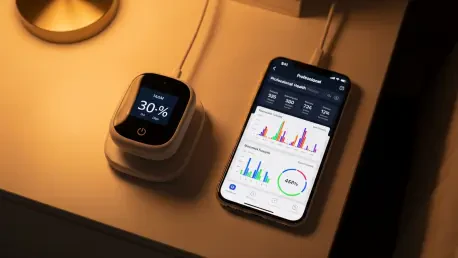
Because the physical hardware lacks an interface, the Google Health application serves as the primary face of the device and the only window into the gathered information. The application’s design has been refined to offer a clean, comprehensive side-by-side view of various physiological metrics, allowing users to easily spot subtle correlations between their daily activity levels and their nightly recovery scores. However, since the app is the sole medium for interaction, any friction within the software—such as a lag in syncing or a complex menu structure—is felt more acutely by the user than it would be on a device with an independent screen. The software must work flawlessly to translate the raw data from the sensors into something meaningful, as the user has no other way to verify that the device is functioning correctly or capturing their movements with the intended level of accuracy.
Current software features include an advanced AI Coach that is specifically designed to provide conversational, easy-to-understand summaries of health data for those who prefer guidance over raw spreadsheets. This feature is particularly useful for casual users who might see a dip in their sleep quality but are unsure how to interpret the underlying causes, such as late-night caffeine consumption or increased stress levels. There is, however, a growing demand among enthusiasts for the application to provide more “data-forward” options that allow for the manual editing of automatically detected workouts or a more granular look at heart rate variability. As the Fitbit Air relies entirely on this digital ecosystem to translate sensor readings into actionable wellness insights, the continued refinement and responsiveness of the software remains the most critical factor in the device’s long-term utility and user satisfaction.
High-Performance Sleep and Health Monitoring
The tracker performs exceptionally well in the realm of sleep analysis, where its diminutive form factor gives it a distinct competitive advantage over larger, more cumbersome devices. Users are statistically far more likely to wear a small, lightweight pod to bed consistently, which leads to the collection of more accurate long-term data regarding sleep stages, respiratory rates, and nighttime disturbances. While the device is engineered for high accuracy on the wrist, internal engineering tests suggest that consistent placement is the key to data integrity, as the underlying algorithms are finely tuned to specific body locations to filter out “noise” from movement. This focus on sleep is not just about duration; it is about the quality of recovery, providing users with a “readiness” score that helps them decide whether to push for a personal best in the gym or take a much-needed rest day.
Beyond basic sleep tracking, the hardware provides a continuous layer of health surveillance through background heart rhythm monitoring, specifically looking for signs of Atrial Fibrillation (AFib) while the user is in a state of rest. It also measures subtle skin temperature variations and blood oxygen saturation (SpO2) levels to provide a comprehensive, holistic view of the user’s physical state over weeks and months. While it does not claim to replace the on-demand diagnostic tools found in high-end medical equipment, its role as a passive, 24/7 guardian makes it an incredibly effective tool for the early detection of physiological trends that might otherwise go unnoticed. By capturing these background signals without requiring the user to initiate a test, the device acts as an early warning system, empowering individuals to seek professional medical advice before minor issues escalate into significant health concerns.
Tactical Features for Daily Management
Despite the lack of a visual display, the inclusion of a high-quality vibration motor allows for several practical features that enhance daily life, such as silent haptic alarms. This allows users to set multiple reminders or wake up in the morning through gentle pulses on the wrist, avoiding the jar of an audible sound that might disturb a partner or a roommate. The ability to dismiss these haptic alerts with a simple, intuitive double-tap on the casing provides a tactile level of control that feels natural even in the dark. This haptic communication system is the only way the device “speaks” to the wearer, and its subtlety is a key part of the minimalist appeal, ensuring that the user remains in control of when they engage with the technology rather than the other way around.
When it comes to physical exercise, the device is a highly capable tool for the casual mover, though it is clearly not designed to satisfy the needs of high-intensity competitive athletes. It excels at the automatic recognition of common activities like walking, cycling, or swimming, and its heart rate sensor accuracy often rivals much more expensive dedicated sports watches. However, the total lack of real-time pace or distance feedback means it is best utilized as a tool for reviewing performance after a session is completed rather than guiding it in the moment. For a jogger who wants to know their route and heart rate after they get home, the Fitbit Air is perfect; for a marathon runner who needs to maintain a specific split time per mile, the absence of a screen will necessitate carrying a phone or choosing a different wearable altogether.
Economic Positioning and Power Efficiency
One of the most significant advantages of removing a power-hungry display is the dramatic boost to battery longevity, with the device easily operating for a full week on a single charge. This extended battery life is essential for a passive tracker, as it minimizes “charging anxiety” and reduces the likelihood of gaps in data collection caused by the device sitting on a nightstand for hours. When a quick boost is eventually required, the modern charging architecture allows for a five-minute charge to provide enough power for an entire day of use, ensuring that the sensors are active when they matter most. This reliability transforms the device from a high-maintenance gadget into a consistent companion, reinforcing the idea that the best technology is the kind that works reliably without requiring constant intervention or management from the user.
At a retail price of approximately ninety-nine dollars, the hardware positions itself as a highly accessible entry point into the wearable market, particularly because core health metrics do not require a recurring monthly subscription. While a premium tier exists for users who want deeper AI-driven analysis and long-term trend reports, the device remains fully functional for those who simply wish to track their steps, heart rate, and sleep quality. This pricing strategy makes it a compelling alternative to subscription-mandatory trackers, offering a “health over hits” approach that resonates with the modern minimalist. By focusing on essential sensors and superior battery life rather than expensive screen technology, the Fitbit Air provides significant value for anyone looking to improve their physical well-being without adding another complex screen to their daily routine.
The release of this screenless tracker demonstrated a successful pivot toward a more intentional and less intrusive form of personal health technology. By prioritizing long-term comfort and data consistency over the fleeting convenience of wrist-based notifications, the hardware addressed the growing consumer desire for digital boundaries. Users who adopted this minimalist approach found that they were more likely to maintain consistent tracking habits because the device never felt like an additional burden or a source of distraction. The focus on high-fidelity sleep monitoring and background cardiovascular health proved that meaningful insights do not require a constant visual interface. Moving forward, those seeking a balance between staying informed and staying present should consider this model as a blueprint for how wearables can enhance life without dominating it. Focusing on the quality of the data gathered rather than the frequency of interaction remained the most effective strategy for achieving sustainable wellness goals.