
The transition to value-based care models allows independent practices to prioritize patient outcomes and education over the traditional volume of office visits and tests. In the current medical climate of 2026, Pennsylvania primary care physicians are increasingly leveraging Continuous Glucose

Western University’s strategic move away from hospital-centric training emphasizes a continuum of care that follows patients from local clinics to community support. This evolution in medical instruction arrives at a critical juncture for Southwestern Ontario, where rural populations have long
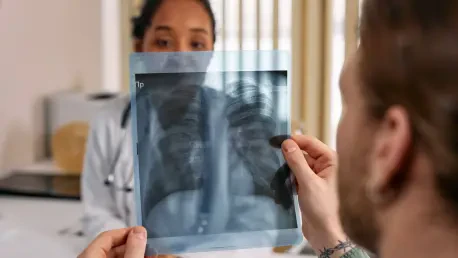
The coal industry’s push to meet energy demands for artificial intelligence data centers is occurring alongside a significant public health crisis in the mines. While the digital revolution relies on vast amounts of power, the human cost of extracting the necessary fuel has reached a tragic
The shift toward electronic prescriptions and structured digital reviews for chronic conditions eliminates the need for paper handling and repeated travel for many patients. This modern infrastructure is no longer a peripheral convenience but the central nervous system of contemporary medicine. As

The perception that consulting a mobile device during a consultation might undermine a patient's confidence emerged as a significant barrier to clinical tool adoption. This observation, rooted in the complex social fabric of Lagos, Nigeria, highlights the delicate balance between technological
Immediate access to an around-the-clock laboratory allows for the rapid blood work necessary to make time-sensitive decisions during life-threatening medical crises. This capability forms the backbone of a modern hybrid medical model that effectively bridges the gap between traditional urgent care