
Managing the parent-child dynamic during a consultation requires a delicate balance to ensure the young adult develops the independence necessary for long-term health. This transition from pediatric to adult healthcare remains one of the most volatile periods for individuals living with chronic asthma, frequently characterized by a sharp decline in medical oversight. For many adolescents, this “invisible line” at age 18 represents a dangerous clinical risk rather than a seamless administrative transfer. Despite decades of identifying this vulnerability, current healthcare models often treat the handover as a “leap of faith” rather than a choreographed clinical strategy. New qualitative research suggests that general practitioners, who are ideally positioned to act as a safety net during this shift, are frequently left on the periphery of the process. This systemic failure results in a “no-man’s land” where medical histories are lost, treatment plans become obsolete, and patients often disengage from the healthcare system entirely until a life-threatening respiratory crisis forces a return to emergency services. By 2026, the need to reintegrate primary care into this transitional framework has become a central focus for health policy experts seeking to stabilize long-term outcomes for young adult asthmatics.
Defining the Role: Addressing Professional Ambivalence and Confusion
One of the most significant hurdles in improving the transition is the pervasive lack of a defined “job description” for the general practitioner during this phase. Recent clinical surveys indicate a deep-seated professional ambivalence among primary care physicians regarding their specific duties when a patient ages out of pediatric care. While some clinicians take an exceptionally proactive approach, viewing themselves as the central hub responsible for coordinating specialists and ensuring adherence, many others feel relegated to the role of a passive recipient. In this secondary role, the physician often waits for the patient to self-identify or only intervenes when a prescription refill becomes an emergency. This inconsistency means that the quality of care an adolescent receives is largely a matter of luck, depending on the individual initiative of a specific doctor rather than a standardized, reliable system of healthcare delivery. Without a clear mandate, clinical responsibility becomes dangerously diffused across multiple sectors.
To bridge this gap effectively, the healthcare system must transition the primary care physician from an afterthought in the transition process into a primary co-architect of the patient’s journey. Establishing unified protocols that clearly outline the GP’s role—from the initial notification of transition to the first independent adult consultation—is essential for creating a stable clinical anchor. When the primary care office is empowered to take ownership of the transition, it provides a sense of continuity that specialized, rotating hospital clinics often cannot offer. By formalizing these responsibilities, medical organizations can ensure that the transition is no longer a fragmented experience but a guided progression. This professional shift requires a move away from the current ad-hoc methods toward a structured framework where every clinician understands their specific contribution to the patient’s long-term stability and respiratory health.
Closing Information Gaps: Overcoming Technical Barriers in Care
Managing asthma in young adults is a dynamic process that requires a deep understanding of a patient’s medical trajectory, yet general practitioners often face significant technical barriers that impede this understanding. A primary concern is the frequent absence of structured, comprehensive “transition summaries” from pediatricians. Vital clinical data, including long-term lung function trends, previous exacerbation patterns, and records of comorbid conditions such as obesity or allergic rhinitis, often fail to migrate into the primary care electronic health record. This information vacuum forces the GP to effectively “start from scratch” with a patient they may have known since childhood but whose specialized respiratory history remains opaque. Such data gaps lead to delays in effective treatment and can cause a physician to miss critical warning signs that a patient’s condition is deteriorating during this high-risk developmental window.
Furthermore, the period between age 16 and 22 is a time when treatment adherence typically reaches its lowest point, complicated by the lack of objective monitoring tools available to the general practitioner. Clinicians often find it difficult to assess whether a patient is accurately reporting their use of inhaled corticosteroids or if they are masking poor control by over-relying on short-acting rescue medication. To address this, there is a pressing need for enhanced digital infrastructure that allows for the seamless, automatic transfer of specialized medical data across different tiers of the healthcare system. By 2026, the implementation of integrated electronic health records that support real-time sharing of spirometry results and pharmacy fill data has become a necessity. Providing GPs with the right data at the right time allows them to identify bad habits early, correct inhaler techniques, and tailor treatment plans to the young person’s rapidly evolving lifestyle and environment.
Bridging the Divide: Breaking Down Medical Communication Silos
The transition process is theoretically a relay race, yet many clinicians in 2026 still describe the reality as a “blind handoff” between pediatric and adult sectors. Communication between specialized pediatric pulmonologists and community-based general practitioners is frequently delayed, non-existent, or buried in administrative bureaucracy. It is common for a GP to remain unaware that a patient has even been discharged from pediatric services until months after the fact, leaving a critical window of time where the patient has no active specialist oversight. This interprofessional gap creates a scenario where the patient—who is often still developing the cognitive and organizational skills necessary for complex self-management—is unfairly expected to be the primary coordinator of their own medical history. This expectation is often unrealistic, resulting in missed appointments and a total disengagement from preventive care.
To repair these “cracks” in the system, healthcare providers must adopt a model of shared responsibility that begins years before the actual transfer of care occurs. Integrating the general practitioner into the transition planning process as early as age 14 or 15 allows for a gradual handover of clinical authority. This involves fostering direct, two-way communication channels and collaborative goal-setting sessions between hospital specialists and primary care teams. By establishing a continuous thread of support, the healthcare system can prevent the isolation that young adults feel when they are suddenly forced to navigate a siloed and complex medical environment. Moving toward a more integrated approach ensures that the transition is viewed as a long-term clinical strategy rather than a one-time administrative event, thereby safeguarding the patient’s respiratory health during their most vulnerable years.
The Human Element: Empowering Autonomy and Managing Dynamics
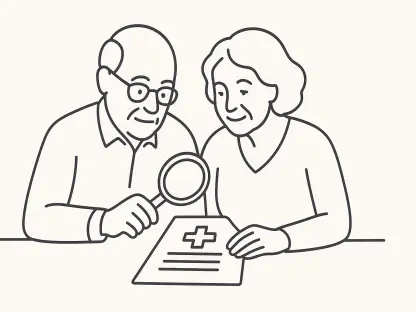
The shift from a family-centered medical model to a patient-centered one represents a delicate psychological transition that requires specific clinical skills. General practitioners must navigate the changing dynamics of the consultation room, where the goal is to encourage young adults to take full ownership of their health while still respecting the supportive role of their parents. It is a complex balancing act that requires the physician to empower the adolescent’s autonomy without making the family feel excluded or alienated. Many clinicians report that young adults are more likely to be honest about symptoms or lifestyle choices when they feel they have a direct, private relationship with their doctor. However, creating this space requires a conscious effort to shift the focus away from the parent, who may have been the primary voice in consultations for nearly two decades.
Standard 15-minute primary care appointments are often woefully insufficient to address the educational and psychological needs of a transitioning asthma patient. Young adults require additional time to discuss sensitive lifestyle factors, such as the social pressures of vaping, smoking, or the impact of physical activity on their symptoms—topics they may intentionally avoid when a parent is present. By 2026, practitioners have increasingly recognized that successful asthma management in this age group relies on building a foundation of trust and direct engagement. Providing the structural flexibility for longer or individual consultations is essential for fostering a relationship where the young adult feels seen and heard. This direct engagement is the most effective tool for promoting long-term adherence and ensuring that the patient views their GP as a reliable partner in their adult life rather than an extension of parental control.
Systemic Change: Professionalization and Practical Next Steps
The final step in improving the adolescent asthma transition is the professionalization of the entire process through targeted education and the adoption of standardized tools. General practitioners have expressed a strong desire for practical guidance, such as checklist-style protocols that dictate exactly when to initiate the transition and what specific data points to request from pediatric colleagues. Currently, many physicians are forced to rely on their own intuition and experience rather than formal training in adolescent medicine, which leads to significant variability in the quality of care. By incorporating transition-specific training into medical school curricula and ongoing professional development, health systems can better equip physicians to handle the unique physiological and psychological needs of this population, ensuring a baseline of excellence across all primary care practices.
The findings solidified the understanding that a successful transition required more than just a change in office location; it necessitated a fundamental shift in how primary care was perceived and supported. Health systems concluded that implementing structured, co-designed pathways was the only viable method to prevent the clinical attrition that had long plagued adolescent asthma management. By prioritizing early GP involvement and digital continuity, practitioners established a framework where the young adult was no longer expected to navigate a complex medical landscape in isolation. These strategies ultimately provided the necessary tools to transform a historically fragmented process into a cohesive journey toward adult self-management. This progress ensured that the primary care office functioned as the essential anchor for lifelong respiratory health, providing a stable environment for patients to thrive as they moved into adulthood.