
The integration of mental health services into school environments remains stalled by a rigid institutional focus on academic achievement over student psychological well-being. This persistent friction has transformed adolescent mental health from a localized medical issue into a systemic public

Strategic implementation of AI in clinics requires a choice-based model that allows patients to opt-out of automated responses for complex medical questions. As modern healthcare systems navigate an unprecedented surge in patient portal activity, administrators are increasingly turning to Large

The communicative act of sharing a diagnosis is a delicate task, and specialized training helps primary care providers manage these conversations with greater empathy and clarity. This interaction represents the culmination of a process that, for many families, has historically been fraught with

While federal law excludes the medically frail from work mandates, the complex two-part test for this status creates significant administrative hurdles for the sick. The 2025 reconciliation law has fundamentally shifted the American healthcare landscape by requiring forty-four states to implement

The Mr. Mind project represents a significant shift toward the digitalization of human-centric social services within the Gyeonggi Provincial welfare framework. As demographic trends indicate a sharp increase in the number of seniors living in isolation, the provincial government has recognized

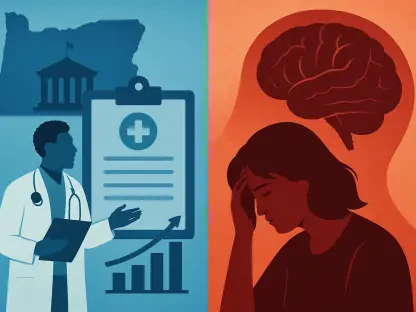
A critical gap remains between high-level mental health policy and the daily realities of patients who must navigate under-resourced and often indifferent clinical environments. This discrepancy often leads to systemic failures where the human element is sacrificed for bureaucratic efficiency. In