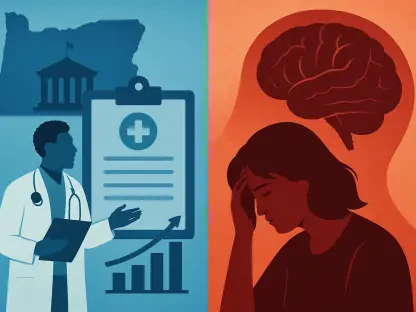

A notable correlation exists between the rate of uninsured adults and the frequency of depression-related emergency department visits among youth within the same ZIP codes. This finding, emerging from a recent investigation into the geographic distribution of psychiatric crises in San Francisco,

Even when clinical guidelines for oncology are strictly followed, many patients still suffer from severe pain because of a persistent gap between theoretical standards and clinical reality. This discrepancy often stems from the fact that medical protocols, while scientifically sound, sometimes fail

Bridging the gap between service delivery and user satisfaction requires a rigorous methodology for incorporating parental insights into the design process. In the current healthcare landscape of 2026, the traditional approach to managing Autism Spectrum Disorder is being challenged by a more

A system that fails to account for a resident’s cultural and historical context risks providing care that feels threatening or oppressive to the individual. In the evolving landscape of long-term care in 2026, healthcare professionals are increasingly recognizing that clinical excellence must be

A permanent structural shift is required to move beyond temporary federal funding and establish mental health as a foundational pillar of the public health system. Currently, the medical landscape in regions like British Columbia serves as a stark reminder of the widening chasm between physical

The unique logistical needs of different life stages, from the mobility of the elderly to the school schedules of youth, dictate the ultimate success of mental health outreach programs. A recent scoping review published in BMC Health Services Research explores these fluctuations by applying the