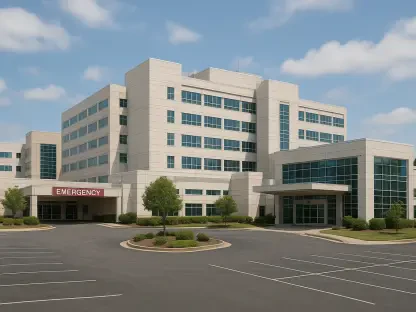

The Department of Veterans Affairs recently finalized a pivotal decision to maintain its partnership with Oracle Health by extending the current electronic health record modernization contract through the year 2031. This long-term commitment signifies a major shift in how the federal government

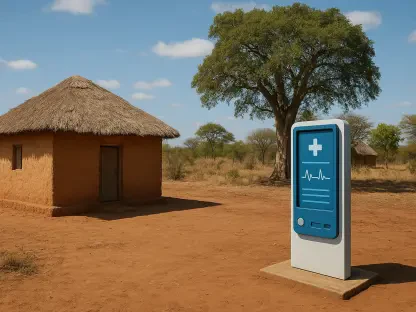
In the remote reaches of Ghana's northern territories, the distinct hum of autonomous medical drones has transitioned from a novel experiment to a life-saving heartbeat of the national healthcare system. This technological evolution marks a significant departure from traditional logistical hurdles

Hospitals across the nation are currently navigating a tectonic shift as sophisticated machine learning protocols and digital health ecosystems converge with decades of traditional clinical expertise. This transition represents far more than a simple software upgrade; it is a fundamental

Clinical environments across the globe are currently witnessing a seismic shift where algorithmic precision is no longer a luxury but a fundamental component of patient care. In the span of just a few years, the integration of artificial intelligence into medical devices has transitioned from

The rapid stabilization of virtual healthcare usage at approximately 76% represents a seismic shift in the global medical landscape, transforming what was once a temporary pandemic-era convenience into a permanent pillar of modern health systems. This transition is not merely the result of

Navigating the current healthcare landscape requires more than just a clever algorithm or a sleek user interface, as investors now demand rigorous proof that digital solutions can integrate seamlessly into existing clinical workflows. The days of speculative funding for unproven wellness apps have