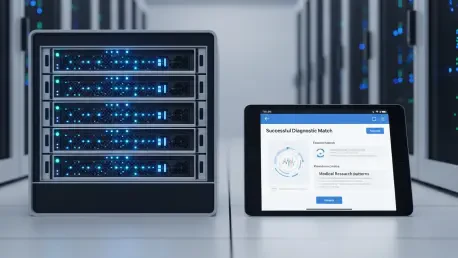

James Maitland brings a wealth of experience in the intersection of robotics and medical IoT to the discussion of a massive shift occurring in clinical intelligence. The recent collaboration between Microsoft and Mayo Clinic represents a watershed moment where decades of de-identified clinical data meet cutting-edge cloud engineering to create a frontier AI model. This conversation explores how synthesizing complex health records can lead to earlier diagnoses and how a patient-centric platform model aims to democratize high-level medical expertise worldwide. We delve into the importance of longitudinal insights, the role of cloud-based APIs in expanding access, and the rigorous standards required to maintain patient trust while pushing the boundaries of what technology can achieve in a hospital setting.
How does the process of synthesizing decades of de-identified clinical data fundamentally change the way we approach complex medical diagnoses?
By integrating de-identified clinical health data with longitudinal insights, we are moving away from a fragmented view of patient history toward a holistic, predictive model. This frontier AI model is designed to support the broadest scope of clinical reasoning, effectively acting as a high-level assistant that spots patterns invisible to the human eye. We are seeing a transition where medical expertise isn’t just trapped in a single building but is synthesized to support earlier diagnoses and more personalized treatment decisions. It feels like finally turning on a high-powered spotlight in a room where we previously relied on a flickering candle, allowing physicians to navigate the complexities of rare diseases with unprecedented clarity and confidence.
With Microsoft’s cloud capabilities meeting Mayo Clinic’s clinical foundation, what does this partnership mean for the accessibility of high-tier medical intelligence across the globe?
This collaboration is a massive leap from a traditional pipeline model to a platform model, which Mayo Clinic has been preparing for since they launched their dedicated platform seven years ago. By making this state-of-the-art foundation model available through Azure Foundry APIs, Microsoft is ensuring that advanced healthcare AI isn’t restricted to just one prestigious institution. Other organizations will gain access to these capabilities, which means a small clinic could eventually tap into the same clinical rigor and longitudinal medical insights found at a world-class facility. It’s an emotional milestone for those of us in the field because it promises to bring the best of clinical expertise to patients regardless of their geographic location, effectively breaking down the physical barriers of elite healthcare.
In an era where data privacy is a constant concern, how does the structure of this agreement ensure that clinical rigor and patient trust remain at the forefront?
Mayo Clinic is maintaining ownership of the model, which is a critical detail for upholding their long-standing commitment to safety and responsible stewardship. They aren’t just handing over records; they are utilizing a trusted, patient-centric de-identified data foundation that has been carefully refined over years of development. This approach ensures that the frontier medical intelligence we are building is grounded in real-world use cases and subject to continuous testing within actual clinical environments. There is a palpable sense of responsibility here, as the goal is to refine and improve the model through rigorous observation rather than just rushing a product to market. It reinforces the idea that technology must serve the patient first, ensuring that innovation never comes at the cost of the sacred trust between a doctor and those they care for.
What is your forecast for frontier medical intelligence?
I believe we are standing on the precipice of a new era where frontier medical intelligence becomes the standard backbone of every clinical decision-making process. Within the next few years, the integration of these models into daily workflows will drastically reduce the time it takes to move from symptom to solution, making the diagnostic journey feel less like a labyrinth and more like a paved path. We will see a surge in breakthroughs and cures as more organizations utilize available APIs to build upon this robust foundation of longitudinal insights. Ultimately, the future of healthcare looks like a seamless blend of human empathy and machine precision, where no patient is left waiting for an answer because the collective knowledge of the world’s best physicians is always accessible.