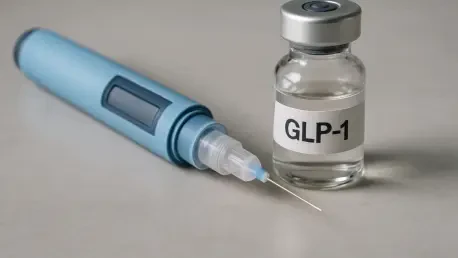

The landscape for metabolic health and weight management has undergone a profound transformation as the market moves through the current 2026 calendar year. While the initial surge of interest in glucagon-peptide-1 receptor agonists was characterized by widespread shortages and supply chain instability, the stabilization of the pharmaceutical manufacturing sector has introduced a new set of variables for patients seeking care. JRNYS Wellness has maintained its position as a primary telehealth coordinator during this transition, connecting individuals with licensed medical professionals who specialize in medical weight loss. However, the decision to enroll in such a platform now requires a deeper understanding of the regulatory shifts that have occurred since the beginning of the year, particularly regarding the availability of compounded formulations versus brand-name alternatives. Patients are no longer just looking for any available dose; they are looking for sustainable, clinically supervised pathways that offer long-term health outcomes in a post-shortage environment. The effectiveness of a telehealth program in 2026 is measured not only by the speed of the initial prescription but by the robustness of the clinical oversight and the platform’s ability to navigate the increasingly complex insurance landscape. As the medical community gains more data on the long-term effects of these treatments, the role of a specialized care coordinator becomes even more critical for patient safety and medication adherence.
1. Submit a Digital Health Profile: The Initial Intake Phase
The journey toward metabolic health begins with the submission of a comprehensive digital health profile, which serves as the foundation for all subsequent clinical decisions. This online intake form is designed to capture a detailed snapshot of a patient’s medical history, including previous weight loss attempts, current medications, and any underlying chronic conditions such as hypertension or cardiovascular disease. In the current 2026 healthcare environment, these forms have become increasingly sophisticated, often requiring specific data points regarding metabolic markers that help providers determine the most appropriate course of action. The process is entirely asynchronous, allowing patients to provide information at their own pace without the logistical hurdles of scheduling a physical office visit or sitting in a traditional waiting room. This accessibility is a hallmark of modern telehealth, prioritizing the collection of high-quality patient data while minimizing the friction often associated with the early stages of medical intervention.
Building on the information provided in the intake form, the platform emphasizes the importance of accuracy regarding current prescriptions to avoid potential drug-drug interactions. Because GLP-1 medications can affect gastric emptying and overall metabolism, the medical staff must have a clear understanding of everything from daily supplements to chronic disease treatments. The digital profile also includes a section for patients to outline their specific weight management goals, which helps the reviewing provider align the treatment plan with realistic expectations. This phase of the process is not merely a formality but a critical safety check that ensures the platform’s resources are directed toward individuals who are clinically suitable for this specific class of medication. Once the form is submitted, the data is securely transmitted to a network of licensed healthcare practitioners who specialize in metabolic health, setting the stage for a professional medical assessment that takes place behind the scenes within a matter of hours.
2. Receive a Professional Medical Assessment: Clinical Oversight Protocols
After the health profile is submitted, it enters a rigorous review process conducted by licensed healthcare practitioners who are affiliated with independent medical groups. These providers, often specializing in internal medicine or endocrinology, evaluate the patient’s data to determine if a GLP-1 treatment plan is clinically appropriate based on current 2026 medical guidelines. The review typically occurs within a 24-hour window, reflecting the efficiency that digital health platforms have mastered to keep pace with patient demand. This assessment is the most critical step in the process, as it serves as the clinical gatekeeper, ensuring that prescriptions are only issued to individuals who meet the necessary BMI requirements or have weight-related comorbidities. The provider’s role is to act as an independent clinical voice, making decisions based on the patient’s specific health needs rather than the commercial interests of the platform or the pharmaceutical manufacturers.
The medical assessment also involves a careful screening for contraindications, such as a personal or family history of specific thyroid conditions or pancreatitis. In the current year, providers are also paying closer attention to the potential for dual-agonist treatments or newer formulations that have reached the market. If the practitioner determines that the patient is a suitable candidate, they will select the most appropriate medication and dosage to begin the titration process. This clinical decision-making process is supported by the latest research into metabolic health, ensuring that the prescribed regimen follows the most current safety protocols. Patients are notified of the provider’s decision through the secure platform, where they can also access information about the specific medication chosen for them. This transparency ensures that the patient is fully informed before the prescription is finalized and sent for fulfillment, maintaining a high standard of care even in a virtual setting.
3. Coordinate Prescription Fulfillment: Pharmacy Logistics and Choice
Once a treatment plan has been authorized by the medical provider, the process moves into the coordination of prescription fulfillment, which is handled through a network of accredited pharmacies. Patients in 2026 have several options when it comes to receiving their medication, including the choice between local retail pharmacies or specialized partner pharmacies that offer discreet home delivery. The choice often depends on the patient’s insurance coverage and the specific type of medication prescribed, as some brand-name products may be more readily available at local chains while others are better handled by specialized mail-order services. JRNYS Wellness facilitates this coordination by ensuring that the prescription data is accurately transmitted to the selected pharmacy, reducing the likelihood of administrative errors that could delay the start of treatment. This logistics-heavy phase is essential for maintaining the momentum established during the initial intake and medical assessment.
For patients who opt for home delivery, the partner pharmacies utilize temperature-controlled shipping methods to ensure the integrity of the medication throughout the transit process. GLP-1 agonists are typically sensitive to temperature fluctuations, and the shipping protocols used in 2026 have been refined to guarantee that the product arrives in optimal condition. This is particularly important for patients living in regions with extreme weather, where specialized packaging is necessary to prevent the medication from losing its potency. The coordination phase also involves a final verification of the patient’s shipping address and insurance information to ensure that the fulfillment process is as seamless as possible. By providing a bridge between the prescribing doctor and the dispensing pharmacist, the platform streamlines a historically fragmented part of the healthcare system. This integrated approach allows the patient to focus on their health journey rather than the bureaucratic hurdles of obtaining high-demand specialty medications.
4. Begin the Supervised Treatment Plan: Continuity of Care
The delivery of the medication marks the beginning of the supervised treatment plan, where the patient transitions from the onboarding phase into active management. Most orders are delivered to the patient’s residence within three to five business days after the prescription is processed, allowing for a swift start to the regimen. Upon receiving the medication, participants are encouraged to utilize the platform’s continuous messaging system to connect with clinical staff for any follow-up questions or concerns. This ongoing access is a vital component of the 2026 care model, as the initial weeks of GLP-1 therapy often involve a period of adjustment as the body acclimates to the medication. Having a direct line to medical professionals allows patients to report side effects in real-time and receive guidance on how to manage them, which significantly improves long-term adherence to the treatment plan.
The supervised plan also includes periodic monitoring of the patient’s progress, which is often facilitated through digital tools that track weight loss and other health metrics. This data-driven approach allows the prescribing provider to make informed decisions about dosage adjustments, which are a standard part of the titration process for these medications. In 2026, the focus has shifted toward not just losing weight, but maintaining metabolic health and muscle mass, leading to more comprehensive guidance from the clinical team. Participants are often provided with educational resources that cover nutrition and lifestyle changes that complement the pharmacological intervention. This holistic view of treatment ensures that the medication is used as one tool within a broader strategy for long-term health. The continuity of care provided through the platform creates a supportive environment that extends far beyond the initial prescription, fostering a professional relationship between the patient and their healthcare team.
5. Address Regulatory Shifts: The 2026 FDA Shortage Resolution
A major turning point in the availability of GLP-1 treatments occurred earlier this year when the FDA officially declared that the national shortages for semaglutide and tirzepatide had been resolved. This regulatory milestone has fundamentally changed how telehealth platforms operate, especially those that relied heavily on compounded medications during the period of supply instability. In the current 2026 landscape, the legal framework for compounding these specific drugs has become much more restrictive now that the brand-name versions are in steady supply. Patients must now navigate a market where the availability of compounded alternatives is subject to stricter federal oversight and state-level pharmacy regulations. This shift ensures that more patients have access to FDA-approved finished drug products, which have undergone the most rigorous testing for safety, quality, and efficacy.
Despite the resolution of these shortages, the demand for affordable options remains high, and the regulatory environment continues to evolve as new manufacturing facilities come online. The platform must stay current with these changes to provide patients with accurate information about what can and cannot be legally prescribed. This involves a constant dialogue between the platform, its affiliated medical groups, and the partner pharmacies to ensure compliance with the latest FDA guidance. For many patients, the end of the shortage means a transition from compounded versions back to brand-name medications like Wegovy® or Zepbound™. This transition requires careful clinical management to ensure that dosage levels remain consistent and that there is no interruption in care. The 2026 regulatory context emphasizes the importance of using platforms that prioritize compliance and patient safety over quick fixes, as the legal consequences of non-compliance have become much more severe for both providers and distributors.
6. Compare Medication Options: Brand Name and Specialized Indication
The variety of GLP-1 medications available to patients in 2026 has expanded to include several brand-name options with specific FDA indications. Providers affiliated with the platform can now choose from a broader portfolio of treatments, including well-established names like Wegovy® and Zepbound™, which are specifically indicated for chronic weight management. Additionally, the clinical community has seen the expansion of indications for some of these drugs, such as tirzepatide’s approval for treating moderate-to-severe obstructive sleep apnea in adults with obesity. This allows for a more personalized approach to treatment, where a provider can select a medication that addresses multiple health concerns simultaneously. The ability to distinguish between these options based on the latest clinical data is a key advantage for patients working with specialized telehealth practitioners.
Furthermore, the availability of liraglutide, known by the brand name Saxenda®, continues to provide a daily injection option for those who may prefer it over the weekly formulations. In some cases, providers may still consider off-label prescriptions of medications like Ozempic® or Mounjaro® if they determine that the patient’s specific metabolic profile warrants such a choice. The 2026 clinical landscape is defined by this high degree of specificity, where the “one size fits all” approach to weight loss has been replaced by targeted therapies. This variety also means that patients and providers must work closely to determine which medication aligns best with the patient’s insurance formulary and out-of-pocket budget. By offering a range of options, the platform ensures that the medical staff has the flexibility to design a treatment plan that is both clinically effective and practically sustainable for the individual.
7. Analyze the Cost Structure: Membership and Medication Tiers
Understanding the financial commitment required for a GLP-1 program is essential for long-term success, and JRNYS Wellness uses a tiered structure to manage these costs. The core membership begins at $89 per month, a fee that covers the digital platform access, the initial and ongoing medical assessments, and the continuous messaging with the clinical team. It is a common point of confusion for new patients, but this membership fee is separate from the actual cost of the medication. In 2026, the price of the drugs themselves can vary significantly depending on whether the patient is using brand-name products, utilizing insurance, or paying a self-pay rate. This separation of clinical oversight fees from medication costs ensures that the medical providers remain objective in their prescribing habits, as they do not profit directly from the sale of the drugs.
Higher membership tiers are also available for those who want more intensive support, such as personalized nutrition plans or more frequent coaching sessions. These tiers, which can range up to $169 per month, provide an additional layer of service for patients who feel they need more than just pharmacological intervention. The 2026 pricing model reflects a shift toward holistic care, where the medication is seen as a catalyst that works best when combined with structured lifestyle support. Patients must factor both the membership fee and the estimated medication cost into their monthly budget to avoid any interruptions in their treatment. The platform provides transparency regarding these costs during the onboarding process, but the final price of the medication is often not confirmed until the pharmacy processes the insurance or self-pay transaction. This financial structure requires patients to be proactive in communicating with their insurers to understand their specific coverage levels for these high-cost specialty drugs.
8. Facilitate Insurance Navigation: Prior Authorization Support
Navigating the complexities of health insurance remains one of the most significant challenges for patients seeking GLP-1 treatments in 2026. While many major insurance carriers have expanded their coverage for these medications, others have introduced more stringent prior authorization requirements to manage the high costs. The platform provides essential assistance in this area by helping patients and their prescribing providers gather the necessary documentation to submit to insurance companies. This support can be the difference between a patient paying a small co-pay or the full retail price of the medication, which can exceed a thousand dollars per month. However, it is important to note that the platform itself does not bill insurance companies directly; that responsibility falls to the pharmacy that fulfills the prescription.
The insurance landscape is further complicated by the 2026 formulary guidelines, which are updated frequently by pharmacy benefit managers. These guidelines determine which brand-name drugs are preferred and which require a higher cost-sharing amount from the patient. In some cases, an insurer may require a “step therapy” approach, where a patient must try less expensive weight loss methods or medications before they will cover a GLP-1 agonist. The platform’s clinical and administrative teams are well-versed in these requirements and can help patients understand the steps they need to take to maximize their benefits. Despite this assistance, coverage is never guaranteed, and it depends entirely on the specific terms of the individual’s insurance policy. For patients without coverage, the platform often provides information on manufacturer savings cards or other self-pay programs that can help reduce the financial burden of treatment.
9. Review Safety and Eligibility: Necessary Clinical Protocols
Safety is the paramount concern in the administration of GLP-1 therapies, and the 2026 protocols for eligibility are stricter than ever to protect patient health. To be considered for the program, an individual must be at least 18 years old and meet specific clinical criteria that indicate a need for medical weight intervention. These criteria typically involve a BMI of 30 or higher, or a BMI of 27 or higher in the presence of weight-related health conditions like type 2 diabetes or high cholesterol. The medical staff must also account for a wide range of contraindications, including the boxed warnings that accompany many of these medications. These warnings highlight the risk of certain types of thyroid tumors, making it essential for patients to provide an accurate family medical history during the intake phase.
Ongoing safety monitoring is another core component of the program, with patients being asked to report any persistent side effects like severe nausea or abdominal pain, which could indicate more serious complications. In 2026, the medical community has improved its ability to manage these side effects through proactive dose adjustments and supplemental care. The clinical team also monitors for signs of mood changes or other mental health impacts that have been associated with rapid weight loss and hormonal shifts. This high level of professional oversight ensures that the treatment remains a positive force for the patient’s overall well-being. If a provider determines at any point that the risks of the medication outweigh the benefits for a particular individual, they have the professional authority to discontinue the treatment. This rigorous adherence to safety standards is what distinguishes a professional telehealth platform from unregulated online sources of medication.
10. Consider Long-Term Health Outcomes: Future-Focused Care Strategies
The successful management of metabolic health in the current 2026 environment required a transition from short-term weight loss goals to a more sustainable, long-term perspective on wellness. Patients who achieved the best results were those who integrated their pharmacological treatment with comprehensive lifestyle modifications, such as increased physical activity and a balanced nutritional intake. The role of the telehealth platform was instrumental in this process, providing the clinical oversight and medication access necessary to initiate significant physiological changes. As the market moved past the initial chaos of medication shortages, the focus sharpened on the quality of the patient-provider relationship and the precision of the medical assessments. This evolution proved that while the medication was a powerful tool, the professional guidance surrounding its use was the true driver of lasting health improvements.
Moving forward, individuals seeking GLP-1 treatment should prioritize platforms that demonstrate a clear commitment to regulatory compliance and patient safety. The resolution of national medication shortages earlier this year underscored the importance of utilizing FDA-approved products and maintaining a transparent dialogue with healthcare providers. For those considering JRNYS Wellness or similar services, the recommended next step was to conduct a thorough review of their own insurance coverage and health history before beginning the intake process. Engaging with the platform with a realistic understanding of the costs and the time required for the titration process was essential for avoiding frustration. Ultimately, the most successful participants were those who viewed their treatment as a collaborative effort between themselves and their medical team, ensuring that every step taken was grounded in professional clinical judgment and a commitment to long-term vitality.