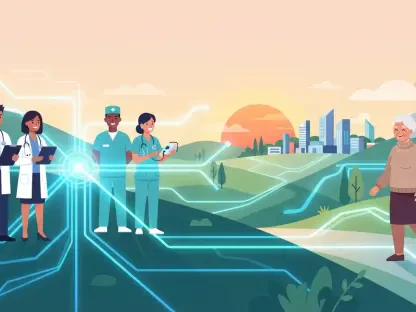

The traditional deficit-based model of mental healthcare often focuses on what patients lack rather than acknowledging their capacity for leadership and systemic contribution. As the medical community observes World Mental Health Day 2026 under the banner of “Lived experiences heard: Real voices. Real change,” the conversation is shifting toward a more inclusive paradigm. Dr. Samke Ngcobo, a medical professional who also manages bipolar disorder and psychosis, serves as a prominent voice in this movement, advocating for the integration of patient perspectives into high-level policy-making. Her dual role provides a unique vantage point that bridges the gap between clinical theory and the lived reality of recovery. By positioning those with firsthand experience as “co-architects” of the systems designed to serve them, the industry can move away from viewing patients as mere recipients of care. This transition is essential for building a more equitable and effective framework that respects human dignity and agency.
Moving Beyond Symbolic Participation
Driving Structural Change: Strategic Leadership
Meaningful inclusion requires a departure from tokenistic practices where individuals with lived experience are invited to participate merely as symbols of diversity or as inspirational speakers. While storytelling is an effective tool for humanizing mental health struggles and breaking down social stigma, it must not represent the ceiling of involvement for those who have navigated the system. Instead, the current push emphasizes strategic leadership, where personal insights directly influence the structural components of healthcare delivery. By moving from the periphery of the conversation to the center of decision-making tables, individuals can offer perspectives that are often invisible to those with purely academic or clinical training.
This evolution ensures that the voices being heard are not just performing for an audience but are actively shaping the future of medical guidelines and legislative frameworks. Transitioning from being a passive recipient to a “co-pilot” in healthcare design allows for a more authentic representation of the community’s needs. When patients contribute to program design, they ensure that initiatives are practical and grounded in the daily realities of living with a condition. This collaborative approach transforms the system into a more responsive and empathetic structure, ultimately leading to better outcomes for everyone involved in the care cycle.
Redefining Care: Evaluation and Metrics
The assessment of mental health services must also undergo a significant transformation to include the voices of those who use them. Currently, many institutional metrics focus on clinical throughput or bed occupancy, which often fails to capture the actual quality of the patient experience. By involving individuals with lived experience in the evaluation process, the healthcare industry can determine if specific interventions truly meet the psychological and social needs of the community. This shift ensures that the effectiveness of care is judged by those who actually navigate the system, providing a more accurate measure of success than traditional data points alone.
Furthermore, integrating personal insights into evaluation frameworks helps identify and eliminate paternalistic or traumatic interactions that may occur within clinical settings. When people who have survived a mental health crisis are empowered to critique and refine service delivery, the resulting improvements preserve patient agency and foster a sense of mutual respect. This movement toward co-production in evaluation ensures that healthcare systems are not just efficient on paper but are genuinely supportive in practice. By prioritizing the feedback of those with firsthand knowledge, the medical community can refine its methods to better serve the nuances of human recovery.
Reframing the Narrative and the Future of Care
Shifting Perspectives: Thriving Over Suffering
A significant hurdle in mental healthcare is the default assumption that a diagnosis is synonymous with perpetual suffering and incapacity. Modern advocacy challenges this narrative by highlighting that individuals can lead productive, successful, and fulfilling lives while managing mental health conditions. Dr. Ngcobo’s emphasis on “thriving despite” an illness serves as a powerful rejection of social labels that limit potential. This conceptual shift is vital for both individual recovery and societal change, as it encourages a focus on possibility and dignity rather than just symptom management. When the conversation moves away from constant pain, it opens doors for patients to see themselves as leaders and contributors.
By reframing the experience of mental illness, the healthcare sector can help dismantle the internal and external stigmas that often prevent people from seeking help or pursuing professional goals. This narrative shift empowers individuals to reclaim their identities outside of their diagnosis, fostering a culture where a mental health condition is viewed as just one aspect of a person’s life. As society begins to recognize the resilience and unique skills developed through the experience of recovery, the professional world becomes more inclusive. This broader perspective is essential for creating a future where mental health is integrated into the general understanding of human diversity and strength.
Professional Synergy: Science and Experience
The call for the radical inclusion of lived experience is not intended to diminish the importance of clinical expertise but to enhance its application. Medical science, multidisciplinary teams, and evidence-based interventions remain the foundation of stability and safety for many individuals. However, clinical knowledge provides the tools, while lived experience provides the “map” that makes those tools more effective in real-world scenarios. When these two forces work in synergy, the resulting healthcare strategies are more empathetic, accurate, and sustainable. This partnership recognizes that the doctor and the patient are both experts in different but equally valuable domains of the healing process.
This collaborative model creates a more holistic approach to treatment that addresses the biological, psychological, and social aspects of mental health. By closing the gap between institutional care and the personal reality of the human experience, practitioners can develop interventions that are better aligned with the patient’s life goals and values. The integration of firsthand insights into clinical practice helps reduce the power imbalances that have traditionally characterized the medical field. Ultimately, this synergy fosters a more transparent and effective healthcare environment where professional expertise is informed by the wisdom of those who have navigated the depths of mental illness.
Advancing the Blueprint for Inclusive Healthcare
The transition toward a co-produced mental health system required a fundamental shift in how leadership and expertise were defined within the medical community. By 2026, the integration of lived experience had moved from a radical proposal to a foundational standard in global policy development. Organizations that adopted this collaborative framework saw an increase in patient trust and a measurable improvement in the long-term effectiveness of their programs. The industry successfully moved beyond the performative nature of storytelling, instead prioritizing the strategic placement of individuals with firsthand knowledge into governing boards and design committees. These actions demonstrated that progress was rooted in the sharing of power rather than just the sharing of anecdotes.
Future progress depends on the continued dismantling of paternalistic structures and the institutionalization of roles for those with lived experience. Stakeholders in the healthcare sector must now focus on creating formal pathways for patient-led advocacy to influence budget allocations and resource distribution. This involves establishing mentorship programs that prepare individuals for leadership roles within healthcare organizations, ensuring that “real voices” remain at the center of the debate. By maintaining this commitment to dignity and agency, the medical community established a new standard for care that was as empathetic as it was scientifically rigorous. The focus shifted toward sustainable change that honored the complexity of the human experience and the resilience of those who navigated it.