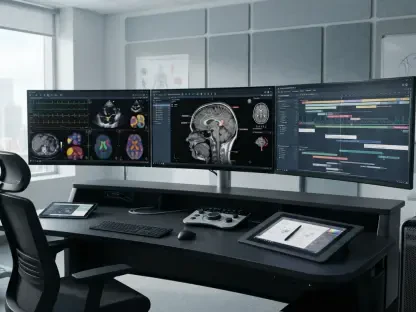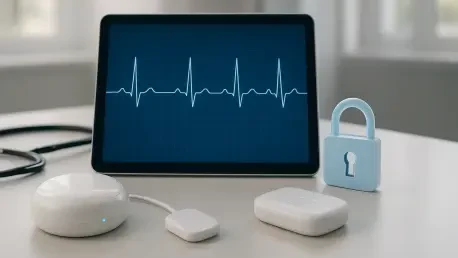

While Remote Patient Monitoring allows clinicians to track vitals in real-time without physical presence, the rapid deployment of these devices has introduced significant and often overlooked cybersecurity risks. The convergence of wireless technology, artificial intelligence, and medical hardware has birthed a revolutionary ecosystem known as the Internet of Medical Things (IoMT). This integration marks a paradigm shift in healthcare delivery, moving from isolated diagnostic procedures to a continuous, interconnected web of patient care. The IoMT encompasses an expansive array of devices, ranging from stationary equipment like MRI machines and infusion pumps to life-sustaining internal devices such as pacemakers. This digital transformation is not merely a technical upgrade; it represents a fundamental change in how providers and patients interact, fostering a new era of transparency and precision medicine. The system functions as a living network, constantly pulsing with data that informs clinical decisions instantly.
Remote Patient Monitoring: The Power of Real-Time Data
The primary driver behind the adoption of IoMT is its unprecedented capacity to extend care beyond the traditional confines of a hospital or clinic. Remote Patient Monitoring (RPM) has emerged as a cornerstone of this movement, particularly for individuals managing chronic health conditions like diabetes or cardiovascular disease. Through the collection of real-time data from wearable health devices, clinicians can monitor vitals and physiological changes without requiring the patient to be physically present. This “super-charged” version of telemedicine allows medical professionals to maintain a constant pulse on patient well-being regardless of the geographical distance between the doctor’s office and the home. Consequently, the burden on physical infrastructure is reduced, allowing hospitals to prioritize acute cases while maintaining high standards for outpatient care. The flow of information ensures that any deviation from a patient’s baseline is identified and addressed immediately.
Beyond routine monitoring, the scope of IoMT utility extends deeply into emergency services and logistics. Location tracking and optimized ambulance routing for high-risk patients ensure that critical interventions occur within the “golden hour” of emergency care, significantly improving survival rates for stroke and cardiac events. Furthermore, automated medication tracking systems help mitigate the risks of non-compliance and dosage errors, which historically plagued outpatient treatment plans. These connected tools collectively ensure that the healthcare system can react with speed and precision, utilizing data-driven insights to bypass the delays inherent in manual reporting. The integration of these sensors into the broader emergency dispatch framework creates a safety net that follows the patient everywhere. By reducing the response time and enhancing the accuracy of initial assessments, the technology effectively bridges the gap between the onset of a crisis and the delivery of life-saving medical care.
Invisible Threats: Identifying Critical Network Vulnerabilities
Despite the immense clinical advantages, the rapid deployment of IoMT devices has introduced a set of “invisible threats” that engineering teams often overlook. A recurring issue in the development of medical technology is that manufacturers frequently prioritize medical efficacy and clinical outcomes over the robustness of the device’s wireless interface. This imbalance leaves critical infrastructure exposed to cyberattacks that could compromise sensitive patient data or, in extreme cases, interfere with device functionality. Common technical weaknesses identified in modern hardware include the use of weak or hardcoded passwords, insecure network interfaces, and a failure to implement physical hardening against tampering. Many devices operate on outdated components or software that lacks a clear pathway for secure updates, creating permanent vulnerabilities. These are no longer just IT concerns; they are patient safety issues, as a compromised infusion pump poses a direct threat to human life.
The disparity between medical innovation and digital infrastructure is particularly evident in emerging markets where the pace of adoption is high but security readiness is low. Regional data indicates a profound lack of confidence regarding cyber-resilience; for instance, many firms in developing sectors express doubt in their ability to handle sophisticated threats compared to their North American counterparts. However, this lack of readiness is driving a massive surge in investment. The healthcare cybersecurity market in these regions is projected to grow from a baseline of $1.16 billion in 2026 to $5.47 billion by 2033, representing a significant compound annual growth rate. This financial commitment underscores a consensus that current infrastructure is insufficient and that protecting the burgeoning IoMT sector is a top economic priority. As these investments materialize, the focus shifts toward creating a more resilient framework that can withstand the evolving and aggressive tactics of global cyber-criminals.
Strategic Mandates: Security as a Market Differentiator
The central takeaway for healthcare companies is the fundamental shift in responsibility regarding digital safety. Manufacturers can no longer rely on a hospital’s internal IT department to provide the necessary security layers for their devices. Instead, security must be “baked in” from the initial design phase of every product. Building robust security protocols directly into the hardware and software of IoMT devices is no longer just a regulatory requirement—it is a significant market differentiator. In a competitive landscape where regional infrastructure may be weak, a manufacturer that can guarantee a “self-securing” device gains a substantial advantage over competitors who offer less resilient alternatives. Sales and marketing strategies must evolve to reflect this reality, emphasizing data integrity as a core product value. Providing potential customers with evidence of secure data encryption and a reliable update cycle is now the deciding factor in securing large-scale contracts.
The industry recognized that the future of medicine required a unified approach where technological innovation was matched by rigorous security standards. Stakeholders established that the path forward involved prioritizing cybersecurity as a core component of the product value proposition to ensure patient safety. Sophisticated data analytics tools were utilized to bridge the gap between advanced functionality and fragile digital environments. Manufacturers eventually transitioned to models where sales representatives were trained to articulate the nuances of a device’s cybersecurity features alongside its medical benefits. These strategic adjustments ensured that the IoMT fulfilled its potential to save lives without compromising the digital integrity of the global healthcare system. By moving toward a “security-first” mentality, the industry successfully addressed the invisible threats that once loomed over connected care. Actionable steps were taken to protect patient privacy, making the interconnected medical ecosystem a reality.