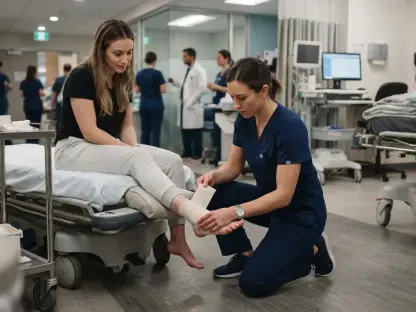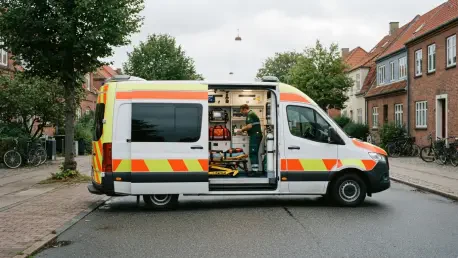

Technological investments in diagnostic tools have empowered Danish ambulance crews to conduct sophisticated evaluations that were previously only possible within a hospital setting. This paradigm shift in prehospital emergency medical services addresses the mounting pressure on hospital capacity by prioritizing life-threatening cases while managing lower-acuity situations on-site. By implementing structured non-conveyance protocols, Denmark ensures that emergency resources are distributed where they are most critically needed. This approach involves a comprehensive assessment of the patient’s medical condition to determine if ambulance transport to an emergency department is truly necessary or if alternative care pathways are more appropriate. As healthcare demands continue to rise globally, the Danish model provides a proactive strategy for maintaining high standards of care while optimizing system-wide efficiency. This transition from a transport-heavy system to one focused on clinical decision-making is a vital step in modernizing emergency medicine.
Regional Management and Clinical Protocols
Operational Frameworks: Regional Guidance
The primary management of non-conveyance in Denmark is governed by the five health regions, as national statutory law provides remarkably little guidance on these specific clinical practices. In the absence of federal legislation, each region has developed its own set of written ambulance protocols and administrative descriptions to steer on-scene decision-making. This decentralized governance allows for flexibility, enabling regional services to tailor their responses to local demographic needs and available medical resources. However, this also results in a lack of national uniformity regarding how treat-and-release or assess-and-release pathways are executed. For clinicians in the field, navigating this legislative void requires strict adherence to localized guidelines that detail the specific conditions under which a patient can be safely left at the scene. This regional autonomy is the cornerstone of the Danish approach, bridging the gap between clinical reality and legal frameworks.
The Legislative Gap: Navigating Statutory Silence
To better understand the efficacy of these regional systems, researchers analyzed qualitative data from various operational stakeholders to map how patients are diverted from traditional hospital care. The study focused on two main pathways: finalizing clinical management at the scene after providing treatment and evaluating patients for potential redirection to home recovery or alternative transport. By reviewing official documentation and administrative descriptions, the investigators highlighted the crucial role that localized expertise plays in maintaining patient safety. The findings suggested that while the implementation of these protocols varies by geography, there is a strong regional consensus on the clinical utility of non-conveyance. These localized frameworks serve as a vital safety net, ensuring that even in the absence of national standards, EMS crews have the logistical support necessary to make informed choices. This structured methodology demonstrates how regional innovation can effectively address gaps in broader national healthcare policy.
Staff Competencies and Advanced Technology
Professional Standards: Training and Oversight
A significant challenge within this system is the variation in training and professional competencies required for ambulance personnel across different regions. While all five health regions utilize non-conveyance, they do not always agree on which level of practitioner—be it an emergency medical technician or a paramedic—has the authority to finalize a patient’s care independently. To mitigate the risks associated with these disparities, many regional protocols have instituted a mandatory consultation with a supervising physician before a patient is officially released from the scene. This requirement provides a necessary layer of clinical oversight and helps ensure that complex medical decisions are not made in isolation. By integrating physician expertise with the frontline observations of the EMS team, the system maintains a high level of accountability while protecting patient autonomy. This collaborative model is essential for balancing the need for professional efficiency with rigorous safety standards.
Clinical Innovation: The Role of Point-of-Care Testing
To bolster the decision-making process, Danish EMS administrations invested heavily in point-of-care testing technology and specialized educational programs for their crews. By equipping ambulances with advanced diagnostic tools, clinicians performed on-site blood tests and other assessments that provided immediate, actionable data for patient evaluation. These technological advancements, combined with enhanced training, allowed crews to distinguish between minor ailments and conditions requiring urgent hospital intervention with greater precision. The study of Danish practices demonstrated that a successful non-conveyance model depended on synergy between regional operational support and clinical innovation. Moving forward, the development of a national framework to standardize practitioner competencies was identified as a critical next step to resolve the legislative-clinical gap. Stakeholders recognized that while regional autonomy fostered innovation, a more unified approach would further enhance safety and consistency across the country.