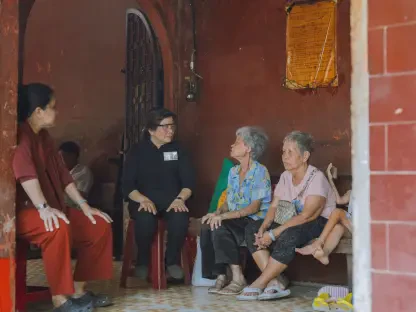

Providing a clear pathway to registration for community homes would help them meet safety standards over time without the threat of immediate closure or fines. This strategic shift represents a necessary departure from the current administrative gridlock that characterizes the Malaysian senior care landscape. As the nation currently grapples with a burgeoning demographic of citizens over the age of sixty, the focus has unfortunately remained fixed on punitive oversight rather than the essential expansion of physical care infrastructure. The urgency of this reform is underscored by the reality that the elderly population is not a distant concern but a present reality requiring immediate structural adjustments. Without a cohesive national strategy, the burden of care will continue to fall disproportionately on families and an overstretched health system. The failure to address these gaps systematically creates a ripple effect throughout the economy, impacting productivity and long-term financial stability for many residents. Malaysia stands at a pivotal point where the choice between rigid bureaucracy and flexible infrastructure will define the quality of life for its seniors and the economic resilience of the country for decades.
The Economic Burden of Inadequate Care
How Does Bed Blocking Drain National Resources?
The failure to provide accessible community care creates a significant financial strain on the public healthcare system, leading to what experts describe as a hidden national bill. Medically fit older patients frequently occupy expensive acute hospital beds—costing roughly RM500 per day—simply because there are no viable discharge options at home or in the community. This inefficient use of specialized medical resources creates a domino effect of delayed elective surgeries and extreme emergency room congestion, as beds remain occupied by those who require social care rather than intensive medical intervention. Consequently, the taxpayer-funded system becomes a de facto high-cost nursing provider, diverting funds that could be better spent on modernizing surgical equipment or reducing wait times for chronic disease treatments.
Beyond the direct costs to the healthcare budget, the lack of infrastructure forces a silent drain on the Malaysian labor market. When formal care is unavailable or unaffordable, family members—predominantly women—are often forced to reduce their professional working hours or exit the workforce entirely to provide round-the-clock supervision. This trend results in a substantial loss of skilled labor for employers and a significant decrease in total household income, further stressing the middle class. Moreover, it leads to a long-term depletion of the caregivers’ own retirement savings, which effectively creates a cycle of future financial instability for these individuals. Addressing the shortage of care facilities is therefore not just a social welfare issue but a vital economic necessity to preserve the productivity of the current workforce and ensure the financial security of future retirees across the nation.
Why Is Current Planning Falling Short?
With the population of seniors expected to reach 4.8 million by 2030, Malaysia faces a staggering 16 percent medical inflation rate that significantly outpaces the current growth of infrastructure. Currently, there are approximately 4.1 million individuals aged 60 and above, and this number grows every month, yet the development of specialized housing remains stagnant. The lack of clear, localized data on nursing home bed requirements significantly discourages large-scale private investment, as developers cannot accurately assess the return on investment for long-term care facilities. This data vacuum prevents the creation of a competitive market that could drive down costs through innovation and economies of scale, leaving the state to struggle with a problem that requires a multifaceted partnership between the public and private sectors.
In the absence of robust corporate development, the vacuum has been filled by non-governmental organizations and small-scale community homes that often operate on razor-thin margins. However, these grassroots solutions are frequently hampered by a regulatory framework that prioritizes rigid procedural compliance over the actual delivery of quality care. Operators often face prohibitive costs associated with meeting administrative standards designed for large hospitals rather than residential homes, leading to a situation where many facilities remain unregistered. Rather than fostering growth through subsidies or technical support, the current regulatory environment often penalizes these providers with fines or threats of closure. This approach further limits the options available to vulnerable citizens, forcing them into unregulated environments that may actually compromise safety rather than enhance it.
Reforming Legislative and Social Paradigms
What Are the Risks of Punitive Legislation?
Proposed policies, such as the Senior Citizens Bill, often miss the mark by attempting to address the symptoms of a social crisis rather than its underlying systemic causes. By granting authorities the power to prosecute family members for the abandonment of elderly relatives, the government treats a complex socioeconomic issue as a criminal matter. In reality, families rarely abandon their elders out of malice; instead, they are often pushed to the breaking point by financial exhaustion and a total lack of accessible support systems. A legislative framework that punishes without simultaneously providing additional care beds or trained personnel acts as a hollow solution that does little to improve the daily lived experience of the elderly. This strategy risks alienating families who are already struggling to balance work and caregiving duties.
Furthermore, current tax relief measures are often structured in a way that unintentionally excludes those who need help the most. By limiting financial incentives strictly to centers that have cleared every bureaucratic hurdle, the government effectively taxes the most vulnerable citizens who utilize small, local community homes. Industry estimates suggest that many homes operate without formal registration not because of poor care quality, but due to the overwhelming complexity of the licensing process itself. Effective reform must transition away from a mindset of policing providers and move toward one that incentivizes the creation of a robust, inclusive care ecosystem. This involves creating a supportive environment where the goal is to help all facilities reach a baseline of safety and quality, ensuring that financial support reaches the individual regardless of the status of their facility.
How Can We Unlock the Silver Economy?
A major hurdle in current national policy is the pervasive tendency to view the elderly population solely through a welfare lens, which ignores the immense potential of the silver economy. Out of the 4.1 million seniors currently living in Malaysia, the vast majority—well over three million individuals—do not require intensive long-term care and remain physically active. These seniors are not a burden on the state; they are active economic participants who serve as skilled workers, discerning consumers, and dedicated volunteers. By focusing almost exclusively on the costs of medical care, the government misses the opportunity to tap into the wealth of experience and purchasing power that this demographic offers. A balanced strategy should aim to empower these active seniors to continue contributing to national growth while they age in place.
Shifting this perspective allows for a more comprehensive strategy that supports those in need while simultaneously fostering an environment where aging is viewed as a phase of opportunity. For instance, the demand for senior-specific technology, travel, and health services can drive significant innovation within the private sector, creating new jobs and tax revenue. Furthermore, many seniors play a critical role in the informal economy by providing childcare for grandchildren, which allows younger parents to remain in the workforce and contribute to the GDP. Recognizing these multifaceted contributions is essential for building community capacity and social resilience. A policy environment that encourages seniors to stay connected to the workforce or their communities will ultimately reduce the long-term strain on social services and lead to a more vibrant and inclusive national economy.
What Are the Four Steps for Reform?
To bridge the widening gap between current policy and the lived reality of aging citizens, a structured four-step roadmap for national reform is essential. The first priority involves the implementation of data-driven planning to provide accurate estimates of care needs on a state-by-state basis, allowing for targeted investment where it is most required. This must be coupled with the establishment of realistic funding models that account for high medical inflation and rising wage requirements for specialized care staff. By acknowledging the true cost of care today, policymakers can ensure that facilities remain financially viable while maintaining high safety standards. This strategy creates a transparent market that attracts private capital into the senior living sector, effectively ending the period of investment stagnation that has hampered national progress for several years.
The subsequent transformation of the regulatory relationship must shift from a position of suspicion to one of collaboration and support. A registration pathway should be introduced that allows smaller community homes to meet safety standards over a reasonable timeframe, providing them with technical assistance instead of immediate penalties. This should be complemented by the introduction of resident-centric tax relief, ensuring that financial assistance follows the individual senior regardless of the bureaucratic status of the facility in which they reside. By reforming the system to prioritize the needs of the person over the compliance of the provider, Malaysia can successfully expand its care capacity while protecting its most vulnerable residents. These collective actions will establish a sustainable ecosystem that balances economic pragmatism with social compassion, ensuring the long-term resilience of the national health system.