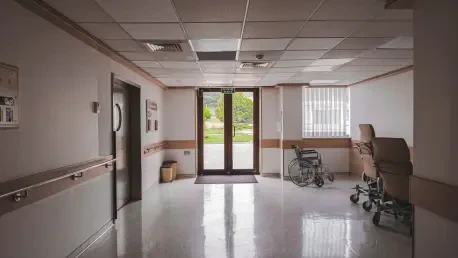

The Ministry of Health and Welfare intends to claw back insurance payments from institutions that misrepresented their employee counts to the government. This decision marks a significant escalation in the state’s response to a series of tragic incidents at Won Hospital in Incheon, where four patients died within a six-month window. These fatalities, which occurred between January and June of the current year, have exposed deep-seated systemic failures within South Korea’s psychiatric healthcare framework. Investigative reports from the National Human Rights Commission revealed that several victims were found in cardiac or respiratory arrest during shifts when medical posts were completely unstaffed. By launching a nationwide crackdown, the government seeks to address not only the immediate administrative fraud regarding staffing levels but also the broader culture of negligence that allowed these preventable deaths to occur in the first place. This initiative aims to restore safety standards across the country.
Part 1: Investigating the Catalyst at Won Hospital
The scrutiny directed at Won Hospital serves as the cornerstone for a broader legislative and regulatory shift. Investigators discovered that the institution frequently left vulnerable patients unmonitored during late-night and early-morning hours, a period when critical medical emergencies often arise. In several documented cases, patients entered respiratory distress without any immediate intervention from qualified medical personnel, leading to fatal outcomes. These lapses were not merely accidental but appeared to be a byproduct of a deliberate strategy to reduce operational costs at the expense of patient safety. Consequently, the National Human Rights Commission of Korea has moved forward with criminal complaints against the hospital’s director, citing professional negligence resulting in death. This legal action emphasizes the government’s stance that institutional leaders must be held personally accountable for the safety protocols within their walls, moving beyond simple fines toward criminal liability.
Beyond the immediate medical failures, the investigation uncovered a pattern of severe human rights violations that suggest a broader disregard for patient dignity. Evidence emerged of improper and excessive use of physical restraints and isolation rooms, often utilized as a primary means of patient management rather than a last resort for safety. Furthermore, the facility reportedly engaged in unlicensed medical practices, where staff members without proper certification performed duties reserved for trained professionals. This environment of coercion was exacerbated by the widespread use of external locks on patient rooms, which effectively trapped individuals in unsafe conditions without recourse. Such practices violate the Mental Health Welfare Act and represent a significant departure from modern psychiatric care standards. By highlighting these specific abuses, the ministry aims to signal to other institutions that the era of treating psychiatric patients as secondary citizens, hidden away in locked wards, is ending.
Part 2: Structural Reforms and Statewide Safety Protocols
To ensure that the tragedies seen in Incheon are not repeated elsewhere, the government has initiated a multi-dimensional inspection process targeting institutions across the country. A primary focus of these on-site evaluations is the verification of statutory staffing levels, particularly during weekends, holidays, and overnight shifts. Inspectors are tasked with conducting unannounced visits to confirm that the number of doctors and nurses on duty matches the figures reported in official filings. This rigorous verification is coupled with an assessment of each facility’s emergency response systems, ensuring that life-saving equipment is both functional and accessible. Furthermore, the ministry is scrutinizing the integration of real-time monitoring technologies that can alert staff to patient distress even when direct supervision is momentarily diverted. This systematic approach aims to close the gap between theoretical safety standards and the actual daily experiences of patients within these facilities.
Financial integrity is another critical pillar of the new oversight regime, as authorities look to dismantle the economic incentives that drive institutional neglect. By cross-referencing insurance claims with actual employee attendance records, the government is identifying facilities that have engaged in fraudulent billing to maximize their subsidies from the National Health Insurance program. This effort is paired with a thorough review of admission and discharge procedures to ensure they strictly comply with the revised Mental Health Welfare Act. The goal is to prevent the practice of “dumping” patients or keeping them hospitalized longer than necessary for purely financial reasons. Institutions flagged for these discrepancies face a zero-tolerance policy, which includes the immediate clawback of misappropriated funds and the imposition of heavy administrative fines. By hitting negligent hospitals where it hurts most, the state hopes to force a transition toward value-based care where outcomes dictate the financial success of a facility.
Moving Toward a Patient-Centered Future
The comprehensive crackdown established a new precedent for psychiatric care in South Korea by prioritizing human rights over administrative convenience. Authorities successfully identified high-risk facilities, particularly those housing large populations of patients with developmental disabilities, and implemented stricter monitoring frameworks that extended through the end of the current cycle. These actions moved the conversation from simple regulation toward a fundamental restructuring of how mental health services are delivered and funded. Looking ahead, the focus must shift toward the permanent integration of independent advocacy groups within hospital oversight boards to provide an external layer of protection for patients. Developing more community-based outpatient services would also reduce the reliance on long-term inpatient facilities, addressing the root cause of institutional overcrowding. By maintaining this aggressive stance on safety and financial transparency, the government took the first necessary steps toward restoring public trust in the healthcare system.