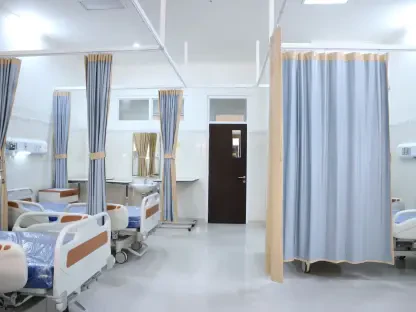

Medical warnings delivered to North Cowichan Mayor Rob Douglas highlight a systemic breakdown caused by a misalignment of workload, compensation, and regional demand. This alarming situation is not a hypothetical scenario for the distant future but a present-day emergency that threatens to dismantle the core functionality of the Cowichan District Hospital. For months, physicians have voiced their concerns regarding the attrition of internal medicine specialists, yet the situation has only intensified as the year draws to a close. These specialists serve as the indispensable foundation of hospital operations, overseeing the Intensive Care Unit and providing vital consultations for surgical and cardiac teams. Without a stable roster of these experts, the institution faces a total collapse of critical care services. The implications are staggering, as the hospital prepares for an inability to provide life-saving interventions for its most vulnerable patients in the region.
The Specialist Exodus: Understanding the Root Causes
Personnel Crisis: A Rapid Decline in Specialists
The backbone of the critical care capabilities at the facility is currently in a state of freefall, driven by a rapid departure of the department’s most essential physicians. While the department of internal medicine is designed to operate with ten full-time specialists to ensure safe and continuous coverage, the reality on the ground has been far more precarious throughout late 2026. The service has recently been sustained by a skeleton crew of only four doctors, and with a pending resignation, that number is expected to dwindle to just three by the end of December. This skeletal staffing level makes it impossible to maintain the 24/7 coverage required for the seven-bed Intensive Care Unit and the six high-acuity medical beds. Consequently, the remaining physicians are forced into an unsustainable schedule that prioritizes immediate crisis management over comprehensive patient care, creating a cycle of burnout that further accelerates the rate of personnel departures.
Financial Disparity: Systemic Workload and Pay Inequities
A significant driver of this exodus is a profound structural disparity in both workload and financial compensation when compared to other facilities within the Island Health network. Physicians at Cowichan District Hospital manage approximately 40% more inpatient beds and oversee a significantly higher volume of emergency department visits than their counterparts at similar regional hospitals. Despite this heavier burden, the specialists are reportedly earning 40% less than those performing identical roles elsewhere on Vancouver Island. This massive compensation gap has effectively crippled recruitment efforts, as prospective candidates are understandably reluctant to accept a position that offers more work for substantially less pay. Without competitive remuneration that reflects the intensity of the local demand, the hospital remains locked in a losing battle to retain its current staff. This financial misalignment does not just impact the doctors; it fundamentally compromises the safety of every patient.
Operational Risks: Long-Term Systemic Implications
Interdepartmental Stability: The Dangerous Domino Effect
The failure to maintain adequate staffing in internal medicine is not an isolated issue, as it creates a dangerous ripple effect that jeopardizes the safety of nearly every other department. Anesthesiologists have warned that surgical schedules will likely face severe disruptions if there is no functioning Intensive Care Unit to support complex post-operative recovery. Without the safety net of internal medicine specialists, high-risk procedures become impossible to perform locally, leading to dangerous delays and the forced transfer of patients to overcapacity facilities in other cities. Similarly, the obstetrics team has expressed deep concern for the health of pregnant and postpartum patients, who require immediate access to critical care during life-threatening complications. Furthermore, the emergency department is bracing for increased overcrowding as the lack of admitting internists leads to the boarding of complex patients in hallways, which then stalls the entire hospital flow.
Project Viability: Threatening the New Hospital Facility
This localized breakdown poses a direct threat to the viability of the upcoming $1.45 billion Quw’utsun Valley Hospital, which is currently scheduled to open its doors in 2027. While the new facility is intended to provide a significant expansion of healthcare capacity for the region, medical staff argue that a state-of-the-art building is functionally meaningless without the human capital required to operate its specialized units. There is a very real fear that the new hospital will open with its most critical areas, such as the expanded ICU and high-acuity services, remaining shuttered due to a lack of specialists. Infrastructure alone cannot provide healthcare; it requires a stable, fairly compensated workforce to translate physical space into life-saving service. Without immediate provincial intervention to address the pay disparity and implement a sustainable staffing model, the massive public investment in the new hospital may fail to deliver advanced healthcare.
Path Forward: Securing the Regional Healthcare Network
Addressing this crisis required a fundamental shift toward an overhaul of the regional compensation structure. Provincial health officials recognized that stabilizing the internal medicine department was the only way to prevent a total cessation of intensive care services. Immediate stabilization funding was implemented to secure the remaining specialists, while long-term contracts were adjusted to match the provincial pay standards found in larger urban centers. These changes facilitated a more equitable distribution of the workload, allowing the hospital to begin active recruitment for the vacant positions. Moving forward, the focus shifted to ensuring that staffing levels remained commensurate with the actual patient volume and bed capacity of the Cowichan region. By prioritizing human resources alongside physical infrastructure, the healthcare system took the necessary steps to safeguard the opening of the new facility and restore the community’s trust in local medical services through enhanced clinical support.