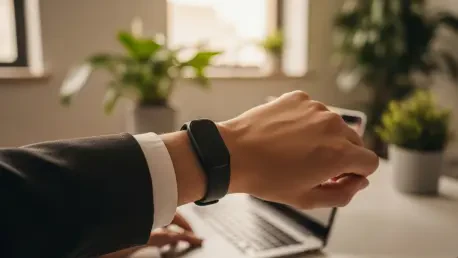

The transformation of wrist-worn gadgets from simple pedometers into sophisticated clinical instruments signifies a profound shift in how modern society approaches personalized medical oversight and long-term diagnostic tracking. Once dismissed as novelty items for fitness enthusiasts, these devices now serve as critical components in the medical ecosystem, offering a continuous stream of physiological data that was previously inaccessible outside of a clinical setting. This evolution reflects a broader trend where patients are no longer passive recipients of care but active participants in their own monitoring. As sensors become increasingly refined, the distinction between a consumer smartwatch and a medical monitor has blurred, leading to a landscape where real-time heart rate variability and oxygen saturation are available at the touch of a button. This shift is redefining the patient-provider dynamic by providing a comprehensive narrative of wellness that extends far beyond the clinic.
The Rapid Surge in Consumer Adoption
Market Expansion: The Mainstreaming of Sensors
The growth trajectory of the wearable market indicates a fundamental change in consumer behavior, as approximately sixty percent of adults in the United States now utilize some form of connected health technology on a daily basis. This widespread integration is driven by an increasing public literacy regarding personal metrics and a proactive desire to manage wellness before chronic conditions manifest. Manufacturers have responded by embedding medical-grade sensors into aesthetically pleasing designs, ensuring that these tools are not only functional but also desirable for long-term wear. From 2026 to 2028, the industry is expected to see even deeper penetration as insurance providers begin to incentivize the use of these devices through premium discounts and wellness rewards. This mass adoption creates a massive repository of biometric data, which serves as a foundation for a new era of preventative medicine where deviations from a baseline can be detected.
Daily Engagement: A Continuous Biometric Stream
Beyond simple tracking, the permanence of these devices in the lives of consumers has fostered a culture of constant physiological awareness that was unimaginable just a few years ago. Most users report that they rarely remove their devices, even during sleep, which has provided researchers with a goldmine of longitudinal data regarding recovery and circadian rhythms. The commercial success of these platforms is reflected in recent financial filings from tech giants, who are increasingly pivoting their hardware strategies to prioritize health features over traditional communication apps. This strategic shift ensures that the next generation of wearables will be even more deeply integrated with the healthcare infrastructure. As companies continue to refine their algorithms to reduce false positives, these devices are becoming trusted companions that offer peace of mind. The reliance on these tools suggests that wellness is inextricably linked to the biometric hardware we wear.
Bridging the Gap Between Patients and Providers
Clinical Utility: Enhancing the Patient Dialogue
As consumers become more adept at interpreting their own biometric trends, they are increasingly initiating clinical conversations by presenting their gathered data to healthcare professionals during routine consultations. This shift enables a more nuanced dialogue, as doctors can now review several months of continuous heart rate or sleep data rather than relying on a single measurement taken in a high-stress clinical environment. This proactive sharing of information helps to identify intermittent issues, such as occasional arrhythmias or sleep apnea, which might have been missed during a standard twenty-minute physical examination. The ability to visualize long-term health trends allows for a collaborative approach to medicine, where the patient provides the data and the physician provides the expert analysis. This model of shared responsibility is replacing the outdated snapshot method of diagnosis, leading to more personalized treatment plans tailored to the unique physiological patterns of the patient.
Institutional Hurdles: Managing the Data Deluge
However, the integration of consumer-generated data into professional healthcare systems is not without significant friction, as many institutions struggle with the logistical and legal ramifications of this information surge. Clinicians often express concerns regarding the volume of data points, noting that without automated filtering systems, it is difficult to distinguish between meaningful medical alerts and normal physiological fluctuations. Furthermore, the specter of liability looms large; if a device records a potential health crisis and the provider fails to act immediately, the legal consequences could be severe for the practice. To address these hurdles, leading medical centers are developing proprietary software interfaces that aggregate and summarize wearable data before it reaches the physician’s screen. These technological buffers are essential for protecting providers from burnout while ensuring that critical information is prioritized for review, thereby making wearables a sustainable practice.
Overcoming Barriers to Equitable Healthcare
Demographic Disparities: Solving the Access Gap
Despite the clear advantages of continuous health monitoring, a persistent divide between health and wealth characterizes the current landscape of wearable technology usage across different socioeconomic groups. Most advanced health trackers remain priced at a level that is inaccessible to lower-income individuals, who often suffer from the highest rates of chronic diseases and would benefit the most from such oversight. This demographic disparity creates a paradox where those with the least medical need are the ones most equipped with the tools for preventative care, while at-risk populations remain dependent on traditional, reactive medical models. Bridging this gap is essential for the industry to achieve its full potential as a public health tool rather than just a luxury accessory. Addressing these inequities requires a multi-faceted approach involving hardware subsidies, community-based health initiatives, and a commitment from manufacturers to develop lower-cost versions of their sensor suites.
Regulatory Progress: Incentivizing Connected Care
Recent adjustments in federal regulatory frameworks have begun to simplify the process for certifying wellness devices as medical aids, lowering the barrier for entry for innovative startups. These changes are designed to encourage the development of specialized tools for chronic disease management while reducing the red tape that has historically hindered the transition from consumer electronics to clinical devices. Furthermore, new pilot programs within the national healthcare landscape are exploring the feasibility of reimbursing patients for the cost of wearables if they are prescribed as part of a treatment plan for conditions like hypertension or diabetes. These initiatives represent a significant shift in how the government views the role of consumer technology in the broader medical system. By aligning financial incentives with technological advancements, policymakers are paving the way for a more inclusive environment where the benefits of real-time health monitoring are accessible to all citizens.
Future Considerations: Standardizing Continuous Monitoring
The transition of wearable technology into the clinical sphere necessitated a shift in how medical professionals and patients interacted with biometric data. Stakeholders recognized that the value of these devices did not lie solely in the hardware itself, but in the actionable insights derived from the massive quantities of information they generated. It became clear that for these tools to remain effective, the healthcare industry had to prioritize the development of standardized protocols for data privacy and interoperability. Collaborative efforts between tech developers and medical associations were instrumental in creating a framework where consumer devices could safely augment professional care. Ultimately, the successful integration of these systems depended on a commitment to making the technology accessible to diverse populations. Moving forward, health systems were encouraged to adopt secure platforms that synthesized patient data into meaningful interventions to ensure more proactive and equitable outcomes.