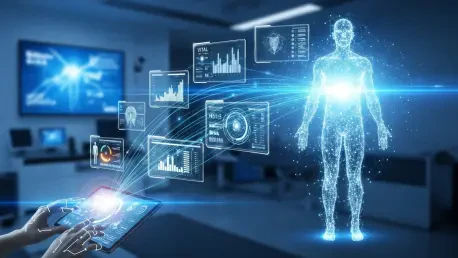

The traditional image of a patient waiting in a crowded clinic for a ten-minute consultation is rapidly becoming a relic of the past as Singapore transitions toward a more proactive medical framework. By adopting a “24/7/365/360” healthcare paradigm, the nation is fundamentally altering how individuals interact with medical services. This strategic shift, heavily influenced by initiatives at Tan Tock Seng Hospital, integrates data-driven insights directly into the daily lives of citizens, effectively removing the physical walls of traditional clinics. The Virtual-First Seamless Care framework serves as the backbone of this evolution, redesigning healthcare not as a series of isolated and often stressful medical appointments, but as a continuous and integrated journey. Instead of reacting to symptoms as they appear, the system now prioritizes constant engagement and early intervention. This holistic approach ensures that medical professionals can monitor health trends in real time, allowing for a more responsive and less intrusive experience for the patient.
Redefining the Patient Experience
Telehealth Evolution: Moving Beyond Video Conferences
While many individuals initially viewed telehealth as a mere video conferencing tool used for convenience during crises, the new model redefines it as a holistic and deeply integrated patient experience. This approach utilizes a sophisticated network of wearables, remote diagnostics, and artificial intelligence to create a comprehensive, 360-degree view of a person’s health status at any given moment. By ensuring that every digital interaction is backed by high-quality, real-time data, healthcare providers can offer a level of personalization that was previously impossible in a standard clinical setting. This bridge between digital interactions and physical clinical standards ensures that the quality of care does not diminish when moved outside the hospital walls. The focus has shifted toward the entire patient journey, encompassing prevention and long-term management within a single, fluid ecosystem. Consequently, the distinction between in-person and virtual care is fading, replaced by a unified standard of excellence.
Systemic Efficiency: The Impact of Remote Entry Points
Implementation of this model requires a departure from traditional reactive workflows, favoring a system where digital platforms serve as the primary entry point for all medical inquiries. When a patient initiates contact through a virtual interface, clinicians are immediately equipped with historical data and real-time biometric feeds, enabling them to make high-level medical decisions without requiring an immediate physical visit. This methodology not only enhances the speed of care but also ensures that the most appropriate resources are allocated to each individual case. By streamlining the flow of information through integrated electronic medical records, the system allows for the immediate initiation of treatment plans, which significantly lessens the overall burden on hospital infrastructure. The result is a more resilient healthcare system that can manage higher volumes of patients while maintaining an intimate relationship with every person. This creates a sustainable environment for both providers and patients.
Technological Integration and Public Readiness
Diagnostic Precision: Utilizing Medical-Grade Remote Tools
To address long-standing concerns regarding the accuracy of remote assessments, Singapore is aggressively deploying medical-grade technologies that rival traditional diagnostic tools. Digital stethoscopes now allow for remote auscultation, enabling physicians to listen to heart and lung sounds with high fidelity over a secure internet connection. Additionally, contactless vital sign monitoring systems use advanced optical sensors to analyze subtle changes in facial skin color, which can determine heart rates and oxygen saturation levels with remarkable precision. These tools ensure that the clinical data gathered in a virtual setting is just as reliable as data collected during a physical examination in a doctor’s office. By empowering patients to perform guided self-assessments using these sophisticated devices, the model ensures that remote consultations are grounded in objective evidence. This technological foundation is essential for building trust among medical professionals and the patients they serve.
Public Readiness: Leveraging High Connectivity and Literacy
Public sentiment currently suggests a strong readiness for this digital evolution, supported by exceptionally high smartphone usage and robust broadband connectivity across the island. Statistics indicate that nearly three-quarters of the patient population feel comfortable using technology to communicate with their doctors, reflecting a deep-seated trust in digital infrastructure. Furthermore, a significant majority of residents report higher levels of satisfaction when telemedicine options are made available, citing the convenience and time-saving benefits as primary factors. This widespread digital literacy indicates that the success of virtual care depends more on the provider’s ability to offer these platforms than on any resistance from the citizens. The cultural shift toward digital health is further bolstered by government-led initiatives that promote technology as a tool for personal empowerment. This alignment between public readiness and capability is a key driver of success for the current medical framework.
The Future of Clinical Intelligence
Artificial Intelligence: Enhancing Human Expertise Through Data
Artificial intelligence serves as a critical empowerment tool within this new framework, helping physicians interpret the vast and complex streams of data coming from wearable devices. Rather than replacing human expertise, these AI systems provide vital clinical decision support that allows doctors to deliver more precise and timely care to their patients. By filtering out the noise and highlighting significant trends or anomalies in a patient’s health data, AI enables medical professionals to focus their attention where it is most needed. This capability is particularly useful in managing chronic diseases, where small changes in biometric markers can signal the need for a medication adjustment or a lifestyle intervention. The synergy between human judgment and machine intelligence ensures that care is both evidence-based and highly personalized. Physicians are now able to manage larger patient panels more effectively while providing a higher standard of individualized attention to each person.
Strategic Outlook: Sustaining Long-Term Health Outcomes
The successful integration of the virtual-first model established a new standard for accessible medical delivery that prioritized the long-term well-being of the entire community. Medical professionals embraced their evolving roles, leveraging sophisticated diagnostic platforms to maintain a constant, data-backed relationship with their patients regardless of physical distance. Actionable insights derived from continuous monitoring allowed for the development of preventative strategies that significantly reduced the incidence of acute hospitalizations and emergency interventions. Moving forward, the focus remained on expanding these digital capabilities to include more complex specialties and refining the algorithms that drive clinical decision support. This transformation proved that removing the traditional constraints of time and location was not only possible but essential for modern healthcare. The lessons learned from this transition served as a blueprint for other nations seeking to modernize their medical infrastructure.