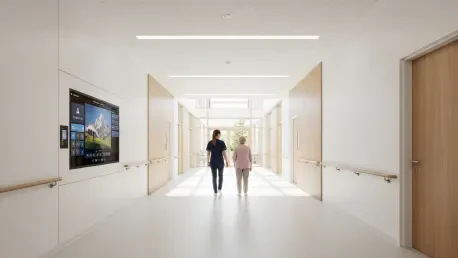

The global landscape of elderly support is undergoing a profound transformation as demographic shifts necessitate a more compassionate and technologically advanced workforce. This evolution highlights a fundamental question regarding what motivates individuals to dedicate their professional lives to a field often characterized by high emotional demands and physical exhaustion. While the sector faces significant pressures, from labor shortages to increasing medical complexity, the workforce remains anchored by a sense of duty that transcends simple employment obligations. Understanding these drivers is essential for developing sustainable systems that support both caregivers and the aging population. Modern caregiving is no longer just about providing basic physical assistance; it has become a sophisticated blend of medical expertise and psychological support. The intersection of human empathy and administrative excellence creates a unique environment where workers find personal meaning.
Psychological Foundations of Caregiving Excellence
Professionals in the aged care sector frequently cite the richness of personal relationships as the primary factor that fuels their daily commitment to the role. Unlike many corporate environments where interactions are transactional, caregiving requires a high level of emotional intelligence and the ability to forge genuine connections with residents who have decades of life experience. These relationships provide a reciprocal sense of value, as workers often receive wisdom and perspective that they cannot find in other industries. This dynamic creates a powerful feedback loop where the success of the resident’s well-being directly contributes to the professional’s sense of accomplishment. When a caregiver witnesses a tangible improvement in a resident’s quality of life or provides comfort during a difficult transition, the reward reinforces their decision to stay in the profession. The sense of purpose is rooted in the visible impact of their work.
Building Meaningful Human Connections
Beyond the immediate joy of companionship, the drive to serve stems from a philosophical commitment to dignity and advocacy for the elderly members of society. Many care workers view their role as a social mission to ensure that aging individuals are treated with respect and autonomy during their later years. This advocacy mindset helps staff navigate the more challenging aspects of the job, such as managing chronic conditions or end-of-life care, by contextualizing these tasks within a framework of human rights and ethical responsibility. This sense of duty often attracts individuals who prioritize societal contribution over purely financial gain, leading to a workforce that is inherently motivated by values rather than external pressures. By focusing on the preservation of a resident’s identity, workers feel they are contributing to a more compassionate society. This alignment between personal values and professional duties creates a resilient motivation for the future.
Upholding the Principles of Social Advocacy
The adoption of sophisticated technology in 2026 has significantly altered the daily experiences of aged care professionals by reducing the burden of repetitive administrative tasks. Automated documentation systems and AI-driven monitoring tools allow caregivers to spend less time on paperwork and more time engaged in direct interaction with the people they serve. When workers feel they are utilizing their skills for meaningful human connection rather than being buried in bureaucracy, their job satisfaction levels rise significantly. Advanced diagnostic wearables and real-time health data platforms empower staff with actionable insights, enabling them to provide proactive rather than reactive care. This shift from crisis management to preventative wellness gives employees a sense of mastery and confidence in their roles. As these technological integrations become more seamless, the friction points of the job are minimized, allowing the core passion for care to remain at the forefront.
Integrating Innovative Technological Solutions
Digital platforms also facilitate better communication between care teams, families, and residents, which reduces the emotional strain of managing complex family expectations. In 2026, transparent communication portals have become standard, ensuring that all stakeholders are aligned regarding care plans and daily updates. This transparency builds trust and reduces the likelihood of conflict, creating a more harmonious work environment for the staff. Furthermore, virtual reality and gamified cognitive therapies have introduced new creative outlets for caregivers to engage residents in stimulating activities. These tools allow workers to innovate and personalize the care experience, which prevents burnout by introducing variety and joy into the workplace. When caregivers see residents responding positively to new tech-driven interventions, it reinforces their sense of being part of a forward-thinking industry. The ability to leverage modern tools to solve problems provides a sense of professional growth.
Strategic Outcomes for Future Industry Growth
Stakeholders across the healthcare industry realized that sustaining a passionate workforce required a multifaceted strategy focusing on both emotional support and operational efficiency. Organizations that prioritized the mental health of their staff by providing dedicated counseling resources and flexible scheduling saw a marked increase in retention and job satisfaction. It became clear that the passion of aged care workers was a finite resource that needed careful cultivation through fair compensation and professional recognition. Implementing continuous learning programs focused on specialized areas like dementia care or palliative nursing empowered workers to see their roles as long-term career paths rather than temporary jobs. Furthermore, the integration of user-friendly technology proved essential in mitigating the physical load on caregivers, allowing their focus to remain on empathy. The industry moved toward a model where the well-being of the provider was considered just as vital as the patient.