
Public health officials in Franklin County are currently mobilizing an intensive epidemiological investigation following the identification of a cluster of Legionnaires’ disease cases reported within the last few weeks. This respiratory condition, caused by the Legionella pneumophila bacterium, typically presents as a severe form of pneumonia and remains a significant concern for high-density urban infrastructure and healthcare facilities. Experts from the local health department have initiated a comprehensive screening process to determine the common source of exposure among affected individuals, who reportedly spent time in the same commercial corridor. While the total number of confirmed cases remains in the single digits, the sudden onset and shared geographic history of the patients have prompted a swift regulatory response. The investigation focuses on identifying potential environmental reservoirs, such as cooling towers or large-scale plumbing systems, where the bacteria might have proliferated before becoming airborne and inhaled.
Epidemiological Tracking and Source Identification
Investigating a cluster of Legionnaires’ disease requires a meticulous approach that combines patient interviews with sophisticated laboratory testing of environmental water samples. Health investigators are currently cross-referencing the movements of those infected to pinpoint specific locations where aerosolized water might have been present, such as decorative fountains, industrial misting systems, or hotel showerheads. This process is complicated by the fact that Legionella bacteria are naturally occurring in the environment, necessitating genomic sequencing to match the specific strain found in patients with the strain isolated from a suspected water source. By utilizing advanced polymerase chain reaction testing, technicians can quickly identify the presence of the pathogen, though culturing the bacteria remains the gold standard for definitive confirmation. The primary objective is to break the chain of transmission by isolating the source before more residents are exposed to the contaminated mist.
Building on the initial findings, local authorities have issued a formal advisory to building owners in the affected district to perform immediate inspections of their water management programs. This regulatory push is not merely a precautionary measure but a necessary step to ensure that Legionella growth is suppressed through adequate thermal and chemical treatment protocols. Many commercial buildings utilize complex cooling towers that, if poorly maintained, provide the perfect warm, nutrient-rich environment for bacterial colonies to thrive. Inspectors are examining maintenance logs to verify that biocides were applied correctly and that temperature controls remained within safe parameters over the preceding months. Furthermore, the county has established a dedicated task force to provide technical assistance to property managers who may lack the expertise to handle a sudden contamination event. This proactive stance aims to stabilize the public health situation while maintaining transparency with the local community.
Infrastructure Management and Prevention Protocols
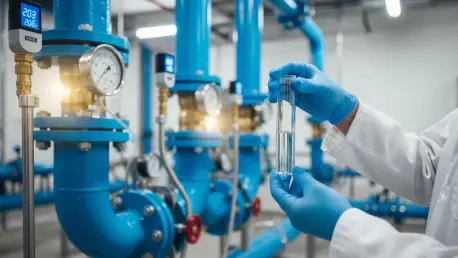
Addressing the root cause of these outbreaks often reveals underlying deficiencies in aging urban infrastructure or the improper commissioning of new water-efficient technologies. Modern buildings frequently employ low-flow fixtures and complex heat recovery systems which, while environmentally beneficial, can lead to stagnant water and lower temperatures that favor the survival of Legionella. Engineering teams are now reconsidering the design of domestic hot water systems to ensure that water is stored at temperatures high enough to kill bacteria while utilizing high-speed mixing valves to prevent scalding at the point of use. This delicate balance between safety and efficiency represents a significant hurdle for facility managers who must navigate evolving building codes and health standards. In Franklin County, several major complexes are integrating real-time water quality monitoring sensors that alert staff to drops in residual chlorine or unexpected temperature fluctuations. Such technological integration provides a critical layer of defense.
The successful management of the disease cluster required a shift from reactive remediation to a philosophy of total system visibility and accountability. Municipalities that adopted the latest building automation protocols established a new baseline for safety by mandating the use of smart sensors in all new high-occupancy constructions. These devices provided a constant stream of data regarding water stagnation and biocide levels, enabling rapid intervention before a minor fluctuation turned into a hazardous biological event. Furthermore, the professional development of facility staff was prioritized to ensure that everyone from the boiler room to the executive suite understood the mechanics of legionellosis prevention. The integration of these advanced technologies and educational initiatives served as a blueprint for other regions facing similar environmental challenges. By focusing on the intersection of mechanical engineering and microbiology, the community effectively mitigated risks and secured a safer environment.