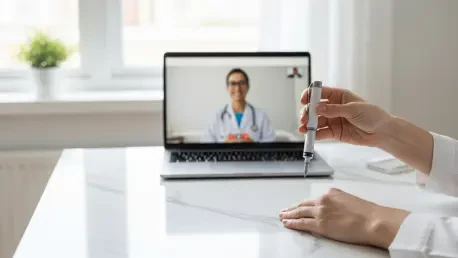

The pharmaceutical landscape is currently undergoing a radical transformation as the demand for weight-loss medications like semaglutide and tirzepatide reaches unprecedented levels across the country. This surge has paved the way for a massive expansion of telehealth services, shifting the point of care from traditional clinics to digital platforms that emphasize speed and accessibility above all else. While these services offer a lifeline to those in rural areas or with limited mobility, the streamlined nature of these virtual consultations frequently sidesteps the deep medical screening processes required for metabolic interventions. High-stakes medications are increasingly treated as simple consumer products, where a brief questionnaire often replaces a comprehensive physical exam or a detailed review of a patient’s metabolic history. This shift raises significant concerns about the long-term safety of patients who may be navigating complex side effects without the direct supervision of a healthcare professional who understands their unique physiology.
The Personal Toll: Impact on Patient Safety
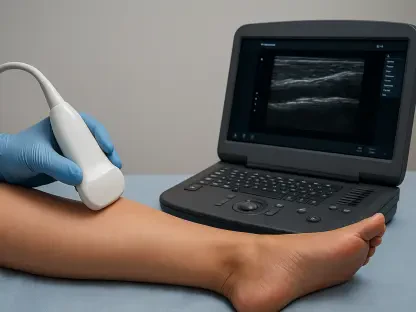
The experience of Karleigh McClain, a 31-year-old consultant, serves as a cautionary figure in the modern era of digital medicine after she sought treatment via a streamlined web portal. Within twenty-four hours of her initial self-administered dose of a GLP-1 medication, she experienced debilitating gastrointestinal distress that necessitated an emergency room visit and subsequent hospitalization. This incident was not an isolated anomaly but rather a symptom of a broader systemic failure within certain telehealth models that prioritize rapid onboarding over physical diagnostic accuracy. When a patient receives a potent metabolic regulator without a prior in-person assessment, the risks of adverse reactions multiply because the prescribing clinician lacks context regarding the patient’s underlying health vulnerabilities. The absence of a physical touchpoint means that critical indicators of potential intolerance are often missed, leaving the patient to manage a medical crisis alone.
Beyond individual cases of severe side effects, the healthcare system has observed an alarming uptick in incidents described by clinicians as telehealth overdoses occurring in domestic settings. These situations typically arise not from intentional misuse but from a profound lack of patient education regarding complex injection techniques and nuanced dosing schedules. Traditional clinical settings provide hands-on demonstrations and direct observation of a patient’s first dose, ensuring they understand how to calibrate the delivery device correctly. In contrast, many digital platforms rely on static PDF instructions or brief pre-recorded videos that fail to account for the confusion many patients feel when handling medical-grade syringes or pens for the first time. This disconnect between the prescription and the patient’s mechanical proficiency has led to numerous errors where individuals inadvertently administer multiple times the recommended starting dose.
Compounded Medications: Addressing Supply Chain Risks
The astronomical demand for brand-name medications such as Wegovy and Zepbound has outpaced the manufacturing capabilities of major pharmaceutical giants, leading to chronic shortages that persist through 2026. To bridge this gap, many telehealth providers have increasingly turned to compounding pharmacies to fulfill orders, marketing these custom mixtures as affordable and readily available alternatives. While compounding is a legitimate practice intended for specific patient needs, the widespread production of GLP-1 replicas operates in a regulatory space that is noticeably different from the FDA approval process for mass-market drugs. These compounded versions are not subject to the same level of rigorous clinical trials or standardized manufacturing inspections as their brand-name counterparts. Consequently, the reliance on these alternatives has introduced a layer of unpredictability into the treatment process where patients often find themselves caught in a struggle for affordable care.
This reliance on custom-made mixtures has fostered a gray market within the pharmaceutical supply chain where the purity and chemical potency of these medications can fluctuate between batches. Unlike the highly controlled environments of major manufacturers, some smaller compounding facilities may produce variations in the peptide chains or include additives that have not been adequately tested for compatibility with the active ingredient. For a patient, this means the vial they receive one month might be significantly more or less potent than the next, leading to either ineffective treatment or sudden, severe toxicity. Furthermore, the labeling on these compounded products is sometimes inconsistent, leaving both patients and emergency medical responders in the dark about the exact chemical composition of the substance being injected. This variability compromises the efficacy of the metabolic intervention and places an undue burden on the patient to verify the safety of their own medication.
Federal Oversight: Regulating Digital Marketing Practices
Regulatory bodies have recently intensified their scrutiny of the aggressive marketing strategies employed by digital health companies that specialize in rapid weight-loss solutions. Federal authorities have begun issuing a series of warning letters to platforms that utilize misleading claims regarding the safety profiles of their compounded medication offerings. These warnings specifically target advertisements that downplay the risk of severe side effects, such as pancreatitis or gallbladder issues, while overpromising rapid aesthetic transformations. By framing medical treatment as a lifestyle upgrade rather than a serious pharmacological intervention, these companies may be inducing patients to overlook the potential dangers associated with the therapy. This regulatory crackdown aims to enforce a higher standard of truth in advertising, ensuring that the risks are presented with the same prominence as the benefits. The focus is on preventing the commodification of medical services for profit.
Social media platforms have become the primary battleground for these marketing efforts, effectively blurring the distinction between professional medical advice and retail sales tactics. Influencers and targeted algorithms frequently push advertisements that emphasize the ease of procurement, often suggesting that a prescription is just a few clicks away without mentioning the necessity of lab work. This environment encourages a buy now mentality that is fundamentally at odds with the cautious approach required for managing metabolic health. Many digital advertisements fail to disclose the critical need for regular blood glucose monitoring or the psychological impact that rapid weight loss can have on an individual’s overall well-being. By stripping away the clinical context, these marketing campaigns create a false sense of security that can lead patients to bypass their primary care physicians in favor of a faster, less thorough digital alternative.
Strategic Solutions: Future Directions in Clinical Care
Achieving a sustainable balance between the convenience of digital health and the necessity of patient safety required a fundamental shift in how virtual clinics operated during this period. It was determined that the integration of mandatory metabolic screenings and synchronized diagnostic testing should become a standard prerequisite for any digital prescription. By requiring patients to upload recent blood work or undergo local lab testing before a prescription was issued, providers managed to reduce the incidence of preventable adverse reactions significantly. This approach ensured that the clinical guardrails of traditional medicine were effectively translated into the digital space, rather than being discarded for the sake of efficiency. Furthermore, the implementation of more rigorous verification processes for compounding partners helped to stabilize the supply chain and restore public trust in non-brand alternatives through increased transparency.
The evolution of the telehealth sector necessitated a renewed commitment to the principle of do no harm through the adoption of proactive patient education and follow-up protocols. Organizations that flourished were those that moved beyond the one-time transaction model and instead embraced a longitudinal care framework that included regular virtual check-ins and nutritional counseling. This shift acknowledged that weight loss via GLP-1 medications is a complex physiological journey that requires ongoing adjustment and support. Future advancements in this field will likely involve the use of remote monitoring devices that transmit real-time metabolic data to clinicians, allowing for even more precise dosing and early detection of side effects. By prioritizing these clinical standards, the digital health community took the necessary steps to transition from a disruptive newcomer to a reliable pillar of the modern healthcare system.