
For residents residing within the rural expanses of Wagener, South Carolina, the routine act of visiting a primary care physician once required navigating a logistical gauntlet characterized by long-distance travel and significant financial strain that often precluded timely medical intervention. This systemic challenge reached a critical tipping point following the unexpected closure of several local medical facilities back in 2024, leaving a significant portion of the population without immediate access to essential screenings or preventative care. In response to this growing healthcare vacuum, MUSC Health introduced a high-tech mobile primary care clinic designed to effectively bridge the gap between advanced medical expertise and remote geographic locations. By deploying a fully equipped medical suite on wheels, the organization has shifted the traditional healthcare paradigm from a stationary service model to one defined by active community engagement. This strategic initiative prioritizes the elimination of travel burdens, ensuring that vulnerable populations no longer have to choose between financial stability and their physical well-being. The deployment of this unit signifies a broader commitment to medical equity across the state, specifically targeting regions where infrastructure has historically lagged behind urban centers. Through this approach, clinical services are delivered directly to the neighborhoods that need them most, fostering a renewed sense of security and health among the local citizenry while setting a new standard for rural outreach.
Pioneering Solutions: Healthcare in Deserts
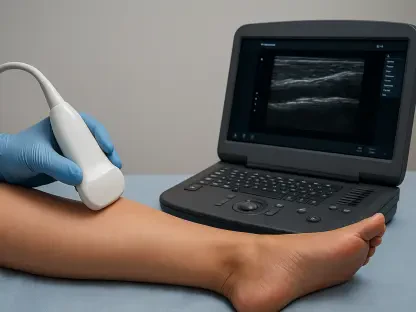
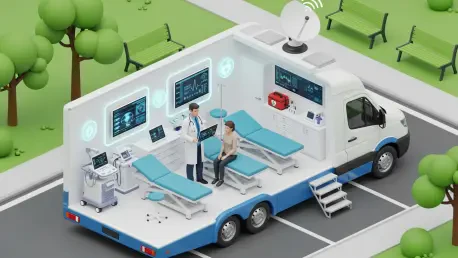
President David J. Cole, M.D., has characterized the launch of this mobile unit as a pioneering solution specifically engineered to dismantle the barriers prevalent in modern healthcare deserts. Rather than relying on the traditional model of constructing permanent brick-and-mortar facilities that may struggle with long-term financial viability in low-density areas, this mobile prototype allows for a more agile and responsive delivery system. It serves as a sophisticated blueprint for academic medical centers across the nation, demonstrating that high-quality care associated with a major health brand can be successfully decentralized without compromising clinical standards. The interior of the unit is outfitted with advanced diagnostic technology, allowing practitioners to conduct a wide range of exams that were previously unavailable outside of a hospital setting. This level of innovation ensures that patients in rural areas receive the same tier of medical attention as those in major metropolitan hubs, effectively leveling the playing field for health outcomes. By operating as a mobile hub for expertise, the clinic can pivot to different locations based on real-time community needs, proving that flexibility is a vital component of modern medical strategy. This model not only addresses immediate primary care needs but also establishes a framework for specialized services to be integrated into the mobile rotation, further expanding the scope of rural medicine beyond basic checkups and screenings.
The regional impact of this mobile initiative extends far beyond Wagener, reaching into adjacent small towns such as Salley and Monetta where residents have long struggled with the rising costs of transportation. For many families in these areas, the price of gasoline and the necessity of taking a full day off work to travel to distant medical hubs created a prohibitive environment that led to the chronic delay of necessary care. By restoring local access, the mobile clinic serves as an economic stabilizer, allowing community members to maintain their health without sacrificing their financial security or household income. State and local leaders have noted that the presence of the clinic reduces the logistical friction that historically discouraged preventative visits, which in turn prevents the escalation of minor issues into emergency room crises. This proactive approach to health management is essential for sustaining the workforce in rural South Carolina and ensuring that the local economy remains robust. Furthermore, the presence of a dedicated medical resource within the community provides a psychological boost, signaling to residents that their well-being is a priority for the state’s premier medical institutions. As geography continues to play a role in health disparities, the successful deployment of this unit provides a tangible roadmap for how public health initiatives can counteract the isolation often felt in the most remote corners of the region.
Community Integration: Educational Alliances
A central pillar of the program’s success is its deep integration with the Aiken County Public Schools system, specifically through its primary placement at Wagener-Salley High School. This partnership recognizes that the school building often serves as the cultural and social heart of a rural town, making it the most logical and accessible site for delivering community-wide services. By positioning the mobile unit on the school campus, the program creates a seamless connection between educational environments and clinical support, ensuring that students and their families can access care without disrupting their daily schedules. This collaboration is built on the understanding that academic success is inextricably linked to physical health; a student struggling with an untreated illness or a lack of preventative care is far more likely to experience educational setbacks. The school-based model also encourages a greater degree of trust between medical providers and the community, as the clinic becomes a familiar and integrated part of the local landscape. Educators and administrators have welcomed the unit as a vital resource that supplements the existing school health infrastructure, providing a level of care that goes far beyond what a typical nurse’s office can offer. This holistic approach ensures that the clinic is not just a visiting service, but a true community asset that supports the long-term growth and resilience of the local student population and their families.
The utility of the mobile unit was immediately apparent during its early phases of operation, as it facilitated dozens of sports physicals for local athletes who might otherwise have faced delays in starting their seasons. For many youth in Wagener and the surrounding areas, these physicals represent more than just a bureaucratic requirement; they are a necessary gateway to the social and physical benefits of organized athletics. By providing these services directly on-site, the clinic removed the burden of scheduling and transportation from parents, many of whom work long hours in industries that do not allow for easy midday appointments. Beyond the immediate needs of the student-athletes, the unit offers a comprehensive suite of primary care services that cater to the broader needs of the school district’s staff and the general public. This multi-generational focus allows for a more efficient use of resources, as the clinic can address pediatric needs in the morning and chronic disease management for adults in the afternoon. The success of this youth-focused outreach serves as a powerful testament to the effectiveness of the mobile model, proving that targeted medical interventions can have a cascading positive effect on the entire community. By fostering a culture of health among the younger generation, the program is laying the groundwork for a future where preventative medicine is viewed as a standard and accessible part of daily life rather than an occasional luxury.
Operational Excellence: Strategic Next Steps
Operational excellence for the mobile unit is maintained through the use of cutting-edge communication technology that links the remote clinic to the vast resources of the main MUSC Health campus. The unit is equipped with high-speed satellite connectivity, allowing for real-time telehealth consultations with specialists who might be hundreds of miles away in Charleston. This capability means that a patient in a rural high school parking lot can receive a specialized cardiac or dermatological evaluation without ever having to leave their hometown. The integration of electronic health records ensures that every visit to the mobile unit is documented and synchronized with the broader healthcare system, providing a continuity of care that is often missing in rural settings. Furthermore, the unit features specialized refrigeration for vaccines and on-site laboratory equipment for immediate diagnostic testing, which significantly reduces the wait time for results. These technological advancements are critical for maintaining the high medical standards associated with the MUSC brand while operating in a non-traditional environment. The ability to perform complex diagnostics on-site allows medical staff to make informed decisions quickly, which is particularly vital for managing chronic conditions like diabetes or hypertension. By leveraging this sophisticated digital infrastructure, the mobile clinic transcends the limitations of its physical size, offering a level of care that rivals many permanent primary care offices found in urban centers.
The initial launch of the mobile clinic successfully established a foundation for sustainable rural health, providing clear evidence that decentralized care could effectively mitigate geographic disparities. Evaluators identified several actionable next steps to ensure the long-term viability of the program, including the expansion of the mobile fleet to cover additional counties in the Midlands and Lowcountry. The project participants emphasized the importance of secure, multi-year funding through public-private partnerships to maintain the high-tech infrastructure and specialized staffing required for such complex operations. To maximize future impact, data collection protocols were established to monitor health outcomes across the region, allowing for a more targeted approach to resource allocation. Administrators also proposed the development of a hybrid model where mobile units would complement existing telehealth kiosks in community centers, creating a multi-layered support network. The integration of local workforce training programs was suggested as a means to cultivate a new generation of rural health professionals who are proficient in mobile medicine and digital diagnostics. Ultimately, the program proved that the combination of mobility, advanced technology, and community partnership was the most effective way to restore healthcare to areas that had been left behind by traditional systems. By prioritizing these strategic expansions and technological refinements, the state positioned itself to lead the nation in rural medical innovation for years to come.