
The steady erosion of the boundary between digital infrastructure and clinical survival has reached a tipping point where cyberattacks are no longer merely financial inconveniences but are strategic instruments of geopolitical warfare. For years, the healthcare sector operated under the assumption that cybercriminals were primarily motivated by profit, leading to a defensive strategy focused on mitigating ransomware risks. However, the current environment is defined by a more sinister objective: the intentional disruption of life-critical services by nation-state actors and their proxies. These adversaries increasingly view hospital networks not as targets for extortion, but as high-leverage assets in broader global power struggles. When a hospital is paralyzed, the resulting chaos extends far beyond the server room, directly impacting the ability of physicians to perform surgeries, pharmacists to dispense medication, and emergency departments to stabilize trauma patients. This shift from financial crime to existential disruption marks a fundamental change in the definition of patient safety, placing cybersecurity at the heart of the clinical mission.
As these geopolitical tensions escalate, the emergence of “wiper” malware has replaced traditional encryption tools as the weapon of choice for sophisticated attackers. Unlike ransomware, which offers a path to data recovery through payment, wiper malware is designed to permanently destroy files and render operating systems unbootable. The goal is not a payday; it is the total paralysis of the healthcare delivery system to erode public trust and destabilize national infrastructure. In this new paradigm, healthcare is frequently a primary target because its operations cannot be easily paused without endangering human lives. The distinction between a technical IT failure and a full-scale clinical emergency has effectively vanished, as the modern medical environment is so deeply digitized that a digital strike translates immediately into physical harm. To protect the integrity of the healthcare system, leaders must recognize that they are now operating on a digital battlefield where the stakes are measured in patient outcomes and the preservation of the public health infrastructure.
The Fragility: Modern Medical Supply Chain Risks
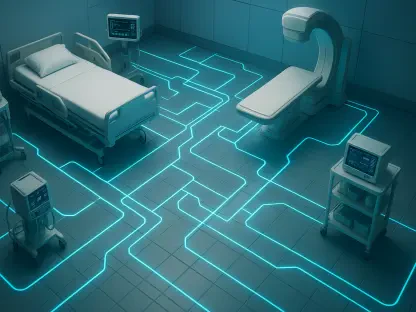
Modern healthcare facilities function within a vast, interconnected ecosystem, meaning a hospital’s security is only as robust as its weakest third-party partner. The vulnerability of this supply chain was recently highlighted by incidents involving medical technology firms, where data-wiping attacks against a single vendor forced multiple hospitals to take critical diagnostic devices offline. This interconnectivity creates a borderless attack surface where a breach occurring thousands of miles away can trigger an operational blackout in a local emergency room. Security leaders must move beyond the “perimeter defense” mindset and acknowledge their deep dependence on the cybersecurity maturity of their vendors. When a vital third-party provider—whether it manages imaging, pharmacy systems, or clinical communications—is compromised, the impact cascades through the entire care delivery network, often leaving clinicians without the essential tools required to treat patients safely and effectively.
This inherent fragility necessitates a radical shift in risk management, where hospitals prioritize the ability to maintain clinical continuity even when primary digital tools or vendors go dark. Relying solely on the promises of service level agreements is no longer sufficient when the provider is targeted by a nation-state seeking to cause maximum disruption. Organizations are now forced to map their entire dependency tree, identifying every single point of failure within their digital supply chain. This involves not only technical auditing but also clinical workflow analysis to understand how a failure in a remote cloud service impacts the bedside experience. By building redundancies and manual workarounds into the clinical process, healthcare systems can mitigate the ripple effects of a supply chain attack. The goal is to ensure that even if a global imaging provider is taken offline by a geopolitical adversary, the local trauma team still possesses the means to view critical scans and proceed with life-saving interventions.
National Security: The Evolution of Collective Defense
The federal government has recognized this shift by reclassifying healthcare cybersecurity as a core component of national security. Recent federal policies, such as National Security Memorandum 22, have pivoted from a traditional focus on counterterrorism toward combating nation-state cyber activities and hardening strategic supply chains. This shift ensures that the protection of healthcare infrastructure is treated with the same urgency as the defense of the energy grid or telecommunications networks. By elevating healthcare to this status, the government has unlocked new resources for threat intelligence sharing and provided a framework for coordinated defense against sophisticated adversaries. This policy change reflects the reality that a successful attack on a major health system is not just a local crisis, but a blow to national stability that requires a unified response from both the public and private sectors to prevent widespread harm.
Central to this national strategy is the intensified collaboration between public agencies and private organizations through partnerships like the Health Sector Coordinating Council. These frameworks allow for the rapid sharing of threat intelligence, providing hospitals with early warnings about specific malware strains or tactics being deployed by adversarial regimes. Furthermore, the implementation of sector-wide cyber exercises has helped hospitals move past theoretical planning to test how their personnel and systems actually perform during a coordinated, large-scale digital crisis. These simulations often reveal critical gaps in communication and resource allocation that would otherwise remain hidden until a real-world incident occurs. Through the development of specialized guidance for securing medical devices and the creation of standardized incident response protocols, the healthcare sector is building a collective immune system. This defensive posture is designed to absorb the shock of a geopolitical strike and ensure that the essential services of the nation remain resilient in the face of ongoing digital aggression.
Intelligence Strategies: Building Organizational Resilience
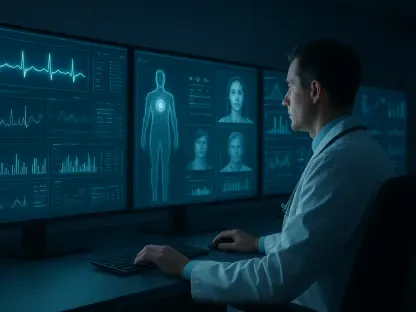
To navigate this era of heightened geopolitical risk, healthcare organizations must adopt an adversary-centric approach to intelligence gathering. This involves monitoring global events to anticipate when the risk of destructive attacks might escalate based on shifts in international relations. By understanding the specific motivations and methods of different threat actors, hospitals can pivot from generic defenses to targeted strategies that validate their systems against total data destruction rather than just simple ransomware encryption. For instance, if a regional conflict increases the threat level from a specific nation-state, a health system might proactively tighten access controls for vendors located in that region or accelerate the patching of vulnerabilities known to be exploited by those specific actors. This proactive stance transforms cybersecurity from a reactive IT function into a strategic foresight capability that informs every level of the organization.
Ultimately, resilience requires a fundamental cultural shift within healthcare leadership, elevating cybersecurity from a back-office technical concern to an ethical patient safety mandate. It is no longer enough to have a robust firewall; organizations must invest in rapid detection and rehearse downtime procedures to ensure that patient care can continue during a total system outage. In a world where the hospital has become a target of geopolitical retaliation, preparation is the cornerstone of modern clinical responsibility. This means training clinical staff not just on how to use technology, but on how to provide care when that technology is absent. The integration of cybersecurity into clinical governance ensures that the risks are understood at the highest levels of the board, leading to sustained investment in the people and processes required to weather a storm. When resilience is woven into the fabric of the institution, the organization becomes capable of maintaining its healing mission regardless of the digital chaos occurring outside its walls.
Strategic Adaptation: Lessons from the Institutional Shift
The healthcare industry successfully navigated this transition by treating digital defense as a clinical discipline rather than a purely technical one. Leaders realized that the most effective way to safeguard patients was to integrate cybersecurity experts directly into clinical operations committees. This move ensured that every new technology implementation was scrutinized for its impact on patient safety during a potential system failure. By conducting regular, high-fidelity simulations that mirrored geopolitical strike scenarios, hospitals identified critical weaknesses in their manual backup systems before they were exploited. These exercises proved that technical resilience was only half the battle; the ability of the nursing and medical staff to transition to paper-based protocols without compromising care was the true measure of institutional strength. This shift in focus allowed healthcare organizations to maintain a high standard of care even during periods of extreme digital volatility.
Successful organizations also prioritized the hardening of their internal cultures, making security a shared responsibility across every department. They implemented granular access controls and zero-trust architectures that limited the “blast radius” of any single compromise, effectively preventing a local breach from cascading into a system-wide disaster. Furthermore, the adoption of immutable backup solutions and decentralized data storage strategies provided a safety net against the destructive nature of wiper malware. By the end of this transformative period, the healthcare sector had moved beyond a state of perpetual vulnerability to a position of informed resilience. The actions taken during these critical years provided a blueprint for other sectors, demonstrating that through proactive planning and cross-sector collaboration, it was possible to defend essential human services against the most sophisticated geopolitical threats. The legacy of this era was a healthcare system that was not only technologically advanced but also fundamentally more secure and reliable for the patients who depended on it.