
The modern cardiac patient often navigates a labyrinthine landscape of specialists, diagnostic tests, and pharmacological interventions that require a level of precision far beyond traditional record-keeping capabilities. These complexities have necessitated the rise of specialized cardiovascular electronic medical records (EMRs), which function as a central nervous system for clinical practice. Rather than acting as mere digital folders, these systems serve as integrated communication hubs that facilitate the seamless exchange of data across various medical domains. By managing the intricate layers of heart health, these platforms ensure that surgeons, imaging technicians, and billing experts operate from a single, unified perspective. This digital foundation is not just a technological upgrade; it represents a fundamental shift away from fragmented care. As the industry moves toward a multidisciplinary approach, the focus remains squarely on enhancing patient safety and fostering clear communication throughout the treatment journey.
Streamlining Multidisciplinary Collaboration
Unifying Diverse Teams
Managing cardiovascular health frequently involves addressing a constellation of comorbid conditions such as diabetes, chronic kidney disease, and hypertension, which inevitably draws in a diverse team of specialists. Specialized EMRs act as the primary bridge between these professionals by capturing symptom changes, lab results, and pharmacy updates in real time. This immediate accessibility effectively dismantles the information silos that historically plagued large healthcare systems, leading to medical errors or the scheduling of redundant, expensive tests. For instance, when a nurse on a general medicine floor documents a slight change in a patient’s heart rate or fluid retention, the attending cardiologist is notified instantly within the system. This level of connectivity ensures a continuous flow of critical data across departments, allowing for rapid adjustments to treatment plans. By maintaining a single source of truth, these systems protect the patient from the risks associated with miscommunication.
Enhancing Clinical Handoffs
Building on these real-time capabilities, transitioning patients between different phases of care, such as moving from outpatient testing to an inpatient unit, presents a significant risk for data loss. Cardiovascular EMRs mitigate this risk by providing cleaner handoff protocols and using pre-populated data fields that carry over history automatically. These systems offer shared notes and status updates on referrals, which eliminates the frustrating need for patients to repeat their entire medical history at every appointment. When clinicians spend less time digging through records to find basic facts, they can dedicate more energy to discussing treatment goals and assessing patient adherence to lifestyle changes. Every encounter becomes more productive and focused on the individual’s unique needs rather than administrative catch-up. This streamlined approach fosters a compassionate environment where the patient feels known and supported by their entire medical team throughout the recovery process.
Improving Clinical Accuracy and Safety
Monitoring Patient Trends
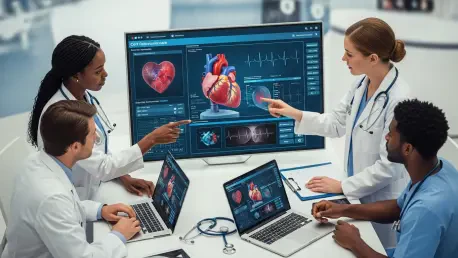
This comprehensive data environment also allows for a sophisticated approach to clinical accuracy by filtering out clinical noise. One of the most significant advantages of cardiac software is its capacity to emphasize the most relevant data points. By prioritizing previous cardiac events and vascular history, these platforms provide a clear view of current status. Monitoring long-term trends in blood pressure and body weight allows clinicians to identify the warning signs of heart failure long before a medical crisis occurs. This proactive approach transforms raw data into a cohesive narrative that supports high-level clinical judgment. Instead of reacting to acute symptoms, care teams use these insights to intervene early in chronic cases, potentially preventing hospital readmissions. The ability to visualize physiological changes over time ensures that interventions are based on comprehensive patterns rather than isolated snapshots that might provide an incomplete picture.
Managing Medication Protocols
In addition to tracking physiological metrics, medication management remains a high-stakes component of cardiology, particularly for patients following complex regimens. Specialized EMRs centralize these pharmaceutical records, tracking refill patterns and monitoring for potential side effects or adverse drug interactions. This structured oversight is essential when managing medications that exert a profound impact on heart rate, renal health, and bleeding risks. The software can trigger alerts if a newly prescribed drug conflicts with an existing treatment, providing a layer of protection for the patient. Furthermore, by maintaining a precise record of dosage adjustments and patient responses, the system ensures that the medication reconciliation process is both accurate and efficient. This level of scrutiny is important for elderly patients who may be managing multiple prescriptions from various providers. Ensuring every drug works in harmony with cardiac goals is a primary benefit.
Expanding the Scope of Integrated Care
Addressing Complex Comorbidities
Beyond the immediate focus on the heart, the physiological link between the heart and the lungs is inseparable, and EMRs reflect this by keeping respiratory histories available. This integration is crucial for clinicians who must determine whether a patient’s breathlessness is a symptom of heart failure or a pulmonary issue like chronic obstructive pulmonary disease. Having immediate access to pulmonary function tests and chest imaging alongside echocardiogram results leads to more targeted treatment plans. This holistic view prevents the misdiagnosis of symptoms that often overlap between cardiac and respiratory systems. Moreover, these systems ensure that as the patient’s condition evolves, the relationship between organ systems remains a primary consideration in every clinical decision. By breaking down the barriers between specialties, EMRs facilitate a comprehensive understanding of the patient’s overall health, which is vital for managing long-term chronic conditions.
Ensuring Operational Sustainability
Finally, the successful implementation of specialized cardiovascular systems provided a blueprint for operational sustainability by bridging the gap between clinical documentation and administrative requirements. Medical practices discovered that streamlining the path from the examination room to the billing office ensured that the complexity of every patient visit was accurately captured. This optimization supported the financial health of clinics while allowing healthcare providers to maintain their focus on high-quality care rather than paperwork. Organizations that prioritized these integrated tools saw significant improvements in both patient outcomes and staff efficiency throughout the recent transition period. Moving forward, the industry turned toward more sophisticated data analytics and machine learning integrations to predict patient risks with even greater accuracy. The focus shifted toward proactive health management and the total integration of remote monitoring devices. These advancements solidified digital infrastructure as the primary driver of modern heart care.