
The global healthcare landscape is currently undergoing a profound structural transformation as the traditional model of reactive treatment gives way to a proactive philosophy centered on the optimization of the human lifespan. This paradigm shift, often referred to as the longevity revolution, is being fueled by an unprecedented convergence of high-fidelity biometric sensors and advanced artificial intelligence algorithms that translate raw biological signals into actionable life strategies. What was once the exclusive domain of extreme biohackers has rapidly evolved into a multi-billion-dollar economic movement characterized by a widespread cultural desire for “healthy pleasure” and data-driven self-actualization. By integrating sophisticated hardware into the fabric of daily existence, the industry is effectively redefining the boundaries of wellness, moving toward a state where health maintenance is no longer a periodic appointment but a continuous, real-time optimization process powered by a personalized digital ecosystem.
Bio-DatThe Shift
Habits: Redefining Wellness
Individuals are increasingly abandoning traditional intuition-based lifestyle choices in favor of granular biological data that provides a definitive roadmap for their daily health decisions. Modern wearable ecosystems now offer a comprehensive “Readiness Score” that serves as the primary metric for determining the intensity of physical activity, the necessity of cognitive rest, or the requirement for dietary adjustments. This metric is derived from a complex analysis of resting heart rate, sleep architecture, and autonomic nervous system activity, effectively stripping away the guesswork from morning routines. Instead of adhering to a rigid, pre-planned fitness schedule, users are pivotally adjusting their behaviors based on what their body’s data dictates. This movement toward the “quantified self” has turned health management into a competitive personal project where the primary goal is the constant stabilization of vital physiological biomarkers.
This data-driven lifestyle is gaining massive traction on a global scale, manifesting as a cultural shift that prioritizes long-term vitality over short-term gratification. In regions like South Korea, the integration of wellness technology into social structures has led to significant societal changes, such as a measurable decrease in alcohol consumption among younger demographics and a surge in online communities dedicated to bio-optimization. These communities act as digital hubs where individuals share data trends and offer peer-to-peer analysis of various wellness interventions, creating a decentralized support network for health improvement. The obsession with biological metrics is no longer a solitary pursuit but a collective social endeavor that rewards proactive maintenance of the body. As social status increasingly becomes tied to physical resilience and data-backed achievements, the demand for tools that facilitate this lifestyle continues to soar.
Tools: Medical-Grade Wearables
Major technology conglomerates are leading the charge in this transition by fundamentally transforming fitness trackers into legitimate, clinical-grade medical instruments. Apple has significantly expanded its influence in the chronic disease management sector by securing FDA clearances for advanced features like blood pressure notifications and atrial fibrillation detection. These tools provide a continuous safety net for users, moving health monitoring from the doctor’s office into the background of everyday life. Samsung has followed a similar trajectory, integrating sophisticated cardiovascular monitoring systems into its latest lineup of smartwatches to provide users with a comprehensive view of their heart health. These advancements represent a critical milestone in the democratization of healthcare, as diagnostic capabilities that once required expensive equipment are now available on the wrist of the consumer, enabling early detection and intervention.
While the giants of the tech industry focus on broad medical utility, specialized companies like Oura have carved out a dominant position in the rest-and-recovery niche. By utilizing sleek smart rings that monitor subtle physiological fluctuations during sleep, these firms provide deep insights into how the body recovers from physical and emotional stress. The emphasis here is on longitudinal data—tracking changes over weeks and months to identify hidden patterns that might indicate impending illness or chronic burnout. This level of insight allows users to align their daily activities with their body’s actual recovery state, preventing the overexertion that often leads to injury or long-term health decline. The success of these specialized devices highlights a growing market preference for high-accuracy wearables that focus on specific aspects of longevity rather than offering a generalized set of fitness metrics that lack deep biological context.
Evolution: Intelligent Health
Innovation: Passive Data
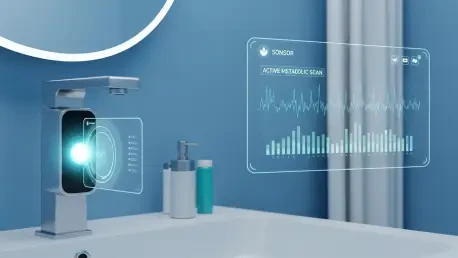
The next frontier for health data collection involves moving sensors into the background through passive monitoring technologies that require zero active effort from the user. Innovative hardware designs, such as the Withings U-Scan, are transforming the modern bathroom into a sophisticated diagnostic laboratory by analyzing metabolic indicators during regular daily routines. These devices can monitor hydration levels, pH balances, and specific nutritional biomarkers by analyzing urine samples in real-time, providing a level of metabolic insight that was previously inaccessible outside of a clinical setting. By embedding these sensors into household fixtures, companies are ensuring that health monitoring becomes an invisible part of the domestic environment. This shift toward passive collection is essential for capturing high-frequency data without user fatigue, ensuring a more consistent and comprehensive record of an individual’s health.
Making health tracking frictionless and effortless is a critical strategy for removing the psychological barriers that often prevent people from maintaining long-term wellness habits. When data collection occurs automatically in the background, users are more likely to engage with the resulting insights because the “cost” of obtaining that information is essentially zero. This move toward “frictionless” health surveillance is closing the gap between occasional medical check-ups and a state of constant physiological awareness. As these technologies become more ubiquitous in the home, they create a safety net that can detect subtle shifts in metabolic health before they manifest as symptomatic illnesses. The goal is a domestic environment that acts as a proactive guardian of health, where every interaction with one’s surroundings contributes to a growing database of knowledge that can be used to extend both the duration and the quality of human life.
Guidance: Actionable AI
While hardware provides the necessary data streams, specialized startups are increasingly serving as the “computational brain” by using artificial intelligence to interpret complex biometric signals. Companies like Stress Solution are leveraging high-frequency heart rate variability data to generate personalized audio experiences designed to facilitate rapid mental recovery and stress reduction. These platforms do not merely report that a user is stressed; they provide a direct, immediate intervention based on the specific physiological signature of that stress. This represents a major evolution from descriptive analytics to prescriptive actions, where the software takes an active role in managing the user’s well-being. By utilizing sophisticated machine learning models, these applications can learn an individual’s unique stress patterns and deliver customized solutions that become more effective over time as the system accumulates more data and refines its responses.
The landscape of proactive health reached a pivotal turning point as the integration of wearable technology and artificial intelligence matured into a part of daily existence. Society successfully moved away from the outdated model of waiting for symptoms to appear before seeking medical intervention, adopting instead a lifestyle of continuous biological optimization. Stakeholders across the technology and medical sectors focused on refining the translation of data into actionable insights, ensuring that every individual had the means to extend their personal longevity. The focus shifted toward implementing these tools in a way that prioritized user privacy and data security, fostering a sense of trust in these digital health guardians. Ultimately, the industry established a new standard for well-being that empowered people to make informed decisions about their future health. This shift toward a data-driven approach proved that the key to a healthy life lay in knowledge.