
The traditional medical model, which often prioritizes pharmacological interventions and isolated clinical therapy, is undergoing a profound transformation as Dane County introduces a pioneering pilot program designed to treat mental health through community immersion. This initiative recognizes that clinical visits alone are frequently insufficient to address the deep-seated roots of contemporary anxiety, chronic depression, and the pervasive epidemic of loneliness affecting modern society. By redirecting the focus toward social prescribing, local healthcare providers are now empowered to look beyond the pharmacy and toward the enrichment of a patient’s daily environment. Instead of solely relying on prescriptions, the program encourages residents to participate in local arts, nature-focused programs, and various volunteer opportunities that build meaningful connections. This shift acknowledges that human well-being is inherently tied to a sense of belonging and purpose within a community. It represents a bold step toward a more holistic health ecosystem that values human connection as a legitimate form of therapeutic treatment for individuals struggling with isolation.
Bridging the Gap: The Technological and Operational Framework
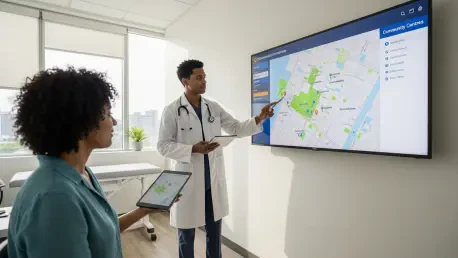
The operational success of this pilot hinges on a sophisticated technological ecosystem that streamlines the journey from a doctor’s office to a community-based activity through a structured three-phase process involving referral, navigation, and fulfillment. Once a primary care physician identifies a need for social intervention, the patient is entered into a specialized digital platform that tracks their progress and ensures they are matched with appropriate resources. This system is not merely a directory but a dynamic management tool that allows healthcare professionals to monitor the efficacy of non-clinical prescriptions in real time. Care navigators play a vital role in this workflow by acting as personal liaisons who help patients overcome the initial anxiety or logistical barriers associated with entering new social spaces. By identifying specific community activities that align with a patient’s unique wellness goals, these navigators ensure that the transition from clinical settings is supportive.
This technological bridge is essential for connecting healthcare providers with various social organizations that have historically operated in entirely separate sectors of the economy and public service. By centralizing these interactions within a unified dashboard, the program effectively ensures that social health interventions are as measurable, accountable, and accessible as standard medical treatments or traditional physical therapy sessions. The platform facilitates a two-way communication channel where community organizers can report back to medical teams, providing a comprehensive view of a patient’s holistic health journey. Such integration allows for the collection of high-quality data regarding attendance, engagement levels, and the overall impact of specific social prescriptions on a patient’s mental state. This evidence-based approach is crucial for validating the role of community assets as legitimate components of the broader healthcare landscape, moving away from anecdotal success.
From Global Inspiration to Local Leadership Initiatives
While the foundational concepts of social prescribing have found significant success across the United Kingdom over the past decade, the transition to the American healthcare environment has presented unique challenges that require innovative local solutions. The decentralized nature of the United States healthcare system, combined with a historically fragmented approach to social services, necessitates a robust infrastructure to link individuals with diverse community assets effectively. Overcoming these hurdles requires a concerted effort from local government, healthcare providers, and non-profit organizations to create a seamless network of care that transcends traditional institutional boundaries. The Dane County pilot addresses these needs by establishing formal partnerships that prioritize long-term funding stability and operational transparency. This approach ensures that the initiative is not merely a temporary experiment but a permanent evolution in how mental health is managed at the county level. Building this infrastructure is the key to creating sustainable health outcomes.
Leadership for this initiative has emerged from an unexpected coalition of cultural executives and theater directors who recognized an urgent need for enhanced social-emotional support among residents. These advocates have long argued that community-based arts and cultural experiences are essential tools for building personal resilience and helping individuals recover from the lingering psychological effects of isolation. By championing the integration of creative expression into the medical referral process, these leaders have transformed the local cultural landscape into a vital component of public health. Their vision involves repurposing theaters, galleries, and parks as spaces for communal healing where participants can rediscover their agency and connect with others in a safe, creative environment. This collaborative leadership model demonstrates that mental health is a shared community responsibility that benefits from the expertise of professionals outside the medical field. These leaders have been instrumental in advocating for the program’s expansion and public visibility.
Quantifying Wellness: Individual Impact and Statistical Evidence
The actual impact of the program is most visible in the stories of participants who have found renewed hope and vitality through their involvement in theater programs and other community-led activities. Many individuals who were managing significant physical disabilities or undergoing intensive medical treatments have reported major breakthroughs in their mental well-being after joining creative groups. These personal experiences highlight how engagement in the arts facilitates what experts call a social energy exchange, which helps to restore a sense of identity that often becomes lost during long-term medical care. By participating in collaborative projects, individuals shift their focus from their ailments to their creative potential, fostering a sense of accomplishment that carries over into their physical recovery. These narratives serve as powerful evidence that social connection can act as a catalyst for resilience, boosting the immune system and improving overall physical stamina. The sense of belonging found in these spaces provides a crucial emotional buffer.
Quantitative data from the initial phases of the pilot program further substantiates these personal narratives, with nearly eighty percent of active users reporting a marked improvement in their overall well-being. Statistical analysis of participant surveys reveals a significant decrease in symptoms related to depression and anxiety, as well as a notable reduction in chronic loneliness among those who attend social prescriptions regularly. These metrics are vital for demonstrating the efficacy of the program to stakeholders and ensuring that social prescribing remains a priority for local health policy. Furthermore, the data indicates that regular participation in community activities leads to fewer emergency room visits and a reduced reliance on acute mental health services. This shift not only improves individual lives but also alleviates the strain on the broader healthcare system by addressing issues before they escalate into crises. The evidence clearly suggests that social prescribing is a highly cost-effective method for promoting long-term community health.
Sustaining the Model: Financial Viability and Systemic Integration
Securing the financial viability of the social prescribing model has been a critical focus of the pilot, as it offers a sustainable revenue stream for participating community organizations through diverse channels. Funding for the program is bolstered by a combination of public grants, private donations, and a model that incorporates modest ticket sales and class fees to ensure long-term stability. This financial structure allows local non-profits to expand their programming and reach a wider audience, while simultaneously providing high-quality services to those referred by medical professionals. The long-term objective is to normalize community connection as a fundamental medical necessity, which would eventually allow these services to be fully covered by standard health insurance plans. By demonstrating the financial benefits of preventative social care, the program aims to shift the focus of insurance providers toward proactive wellness interventions. This transition would represent a significant milestone in the integration of social and medical healthcare systems.
The pilot program in Dane County successfully established a new standard for mental health care by integrating social connectivity into the medical framework through actionable and measurable steps. Stakeholders focused on creating a unified referral system that ensured no resident was left isolated during their recovery process. The initiative demonstrated that when healthcare systems collaborated with community organizations, the resulting synergy provided a more comprehensive support network for vulnerable individuals. Future efforts were directed toward expanding the network of available community partners and securing more permanent insurance coverage for non-clinical interventions. By prioritizing human connection and creative engagement, the county laid the groundwork for a more resilient and inclusive public health strategy. These developments provided a clear roadmap for other municipalities seeking to address the mental health crisis through innovative, community-based solutions. Ultimately, the program proved that the strongest medicine often came from the strength of the community itself.