
The persistence of debilitating symptoms years after an initial viral infection has created a silent secondary pandemic that continues to strain the global healthcare infrastructure and impact workforce productivity across the country. As medical researchers work to decode the biological mechanisms behind post-acute sequelae of SARS-CoV-2, millions of individuals remain in a state of clinical limbo, unable to access the specialized care they desperately need. This gap is particularly pronounced in rural regions and underserved urban centers where brick-and-mortar clinics are either nonexistent or overwhelmed by months-long waiting lists. To address this crisis, the COVID Institute has officially launched a comprehensive expansion of its digital health infrastructure, aiming to bridge the geographical divides that have historically limited patient access. By leveraging advanced remote monitoring, the initiative seeks to establish a new standard for chronic disease management.
Accessibility in Chronic Care
Remote Biometric Surveillance
High-fidelity wearable devices now play a central role in tracking autonomic dysfunction and cardiac irregularities that characterize many post-viral conditions. Unlike traditional episodic testing, these remote tools provide a continuous stream of physiological data, including heart rate variability, oxygen saturation levels, and sleep disturbances, which are crucial for tailoring individual recovery plans. The COVID Institute has integrated these biometric data streams into a unified provider dashboard, allowing clinicians to observe real-time physiological responses to various treatments and physical activities. This shift toward data-driven remote monitoring has significantly reduced the need for frequent travel to physical facilities, which often exacerbates the fatigue and post-exertional malaise common in patients. By utilizing cloud-based analytics, the system identifies patterns that might otherwise go unnoticed during a standard office visit or a single blood test for patients.
Home Diagnostic Kits
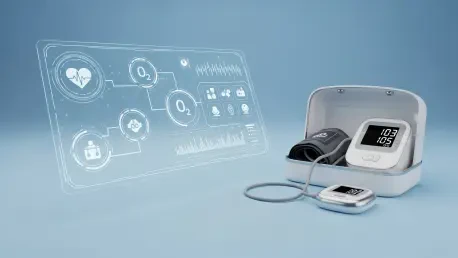
Furthermore, the deployment of specialized diagnostic kits for home use has streamlined the process of screening for secondary complications such as pulmonary inflammation or microvascular issues. These kits, distributed to participants in the new telemedicine program, include high-precision spirometers and digital blood pressure monitors that sync directly with the institute’s secure health portal. This technological layer ensures that the quality of diagnostic information collected remotely is comparable to that obtained in a traditional hospital setting. The institute has focused heavily on the user experience, ensuring that patients with varying levels of digital literacy can navigate the software with minimal friction. This approach is not merely about convenience; it is a clinical necessity for those whose mobility is limited by chronic pain or cognitive impairment. Consequently, the program has reported an increase in treatment compliance and engagement in many states.
Virtual Clinical Expertise
Multi-System Recovery
Specialized clinical teams are now organized into virtual pods, each focusing on specific clusters of symptoms such as neurological deficits, cardiovascular stress, or metabolic disruptions. This structural reorganization allows the COVID Institute to match patients with experts who possess deep knowledge of their manifestations, regardless of where either party is located. For instance, a patient experiencing severe brain fog can consult with a neurologist specializing in neuroinflammation through a high-definition video interface that supports cognitive assessment tools. These virtual consultations are supplemented by peer support groups and digital educational resources designed to empower patients with self-management strategies. The collaborative nature of these pods encourages a constant exchange of information, leading to the rapid refinement of treatment protocols as new clinical evidence emerges. This agility is vital in a field where the medical understanding is currently evolving quickly.
Decentralized Healthcare Impacts
The transition to a decentralized care model successfully demonstrated that high-quality medical interventions did not require a physical presence to be effective for long-term recovery. Organizations that adopted these telemedicine frameworks observed that providing early access to multidisciplinary specialists significantly mitigated the progression of disability in many affected individuals. Future health initiatives prioritized the integration of artificial intelligence to predict symptom flares before they became incapacitating, suggesting that the next logical step involved broader systemic investments in tele-health infrastructure. By documenting the positive outcomes of this expansion, the institute established a blueprint for addressing other post-viral syndromes and chronic illnesses that had been neglected. Stakeholders recognized that maintaining this momentum required permanent regulatory adjustments. These actions collectively ensured that the lessons were translated into a resilient strategy.