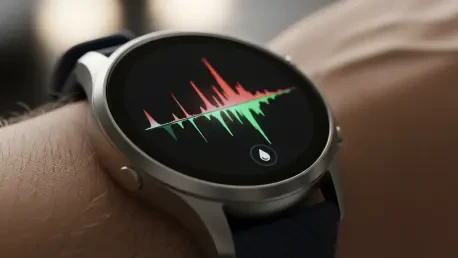

The medical community is currently observing a profound shift in how chronic conditions are identified, moving away from static, once-a-year clinical appointments toward a model of constant, passive vigilance enabled by wrist-worn technology. For decades, the primary method for diagnosing type 2 diabetes has relied on fasting plasma glucose tests or hemoglobin A1c measurements, which provide a retrospective average of blood sugar over several months. While these methods are clinically validated and reliable, they inherently represent a reactive approach to medicine, often catching metabolic dysfunction only after it has reached a critical threshold. This diagnostic delay is significant because the physiological groundwork for diabetes is frequently laid years before a formal diagnosis occurs. By the time a patient presents with elevated blood sugar in a laboratory setting, substantial damage to the cardiovascular and nervous systems may have already begun. This evolution from periodic snapshots to continuous monitoring allows for a more holistic view.
Moving Beyond the Limitations of Episodic Laboratory Testing
Traditional screening protocols are essentially episodic, capturing physiological data points at widely spaced intervals that may not accurately reflect an individual’s true metabolic state. A single blood draw in a sterile clinic environment can be influenced by recent diet, immediate stress levels, or even the time of day, potentially masking the subtle, early-stage fluctuations that indicate a trend toward insulin resistance. This reliance on sporadic data points creates a “blind spot” in patient care, where metabolic health might deteriorate significantly between annual physicals without any detectable symptoms. Because the onset of type 2 diabetes is often gradual, patients frequently miss the opportunity to implement lifestyle changes during the prediabetic phase when the condition is most reversible. The inherent latency in this traditional system necessitates a more dynamic method of observation that can track the body’s responses to daily stressors, exercise, and sleep.
Modern wearable devices address these limitations by serving as a sophisticated multi-sensor hub that operates around the clock to capture a high-resolution stream of biological data. These devices utilize photoplethysmography (PPG) to measure heart rate and blood volume changes, alongside high-precision accelerometers to track physical activity and movement patterns. By collecting thousands of data points every hour, smartwatches create a comprehensive baseline of an individual’s unique physiological norms, making it much easier to detect deviations that would be invisible in a standard lab test. This continuous stream of information provides a detailed narrative of how the body manages energy and maintains homeostasis throughout various real-world scenarios. Consequently, the focus of diagnostics is shifting from the identification of an established disease state to the early detection of the metabolic “ripples” that precede it, allowing for much earlier intervention.
Deciphering the Digital Language of Metabolic Distress
Metabolic dysfunction is not an isolated event that only affects blood chemistry; it is a systemic issue that leaves distinct traces throughout the entire human body. As the body struggles with glucose regulation, the autonomic nervous system often exhibits early signs of stress, which can be measured through changes in resting heart rate and heart rate variability (HRV). Research has demonstrated that individuals in the early stages of insulin resistance often show a decrease in HRV, suggesting that their bodies are less capable of adapting to physiological stressors. Smartwatches are uniquely positioned to capture these subtle shifts during the night when the body is in a resting state and external variables are minimized. This nocturnal data provides a clean window into the internal health of the user, revealing patterns that are closely correlated with metabolic efficiency and overall cardiovascular health.
In addition to cardiovascular metrics, wearables track the intricate relationship between physical activity, sleep quality, and metabolic recovery. For example, the rate at which a person’s heart rate returns to its baseline after intense physical exertion is a powerful indicator of metabolic fitness. Individuals with impaired glucose tolerance often exhibit a slower recovery rate, a digital biomarker that can be tracked and analyzed over weeks and months to identify a downward trend. Sleep architecture also provides critical clues, as disrupted sleep patterns and frequent nighttime awakenings are both a cause and a symptom of metabolic imbalance. By synthesizing these diverse signals into a unified health profile, wearable technology can identify the early warning signs of prediabetes. This multi-modal approach ensures that the assessment of health is based on a broad spectrum of physiological indicators rather than a single chemical measurement.
Harnessing Algorithmic Power for Early Risk Identification
The sheer volume of data generated by a single smartwatch is far too complex for traditional medical analysis or simple manual observation to manage effectively. Artificial intelligence and machine learning algorithms are therefore essential for interpreting these millions of data points to find non-linear patterns that indicate health risks. These sophisticated models are trained on massive datasets involving thousands of individuals, allowing them to distinguish between normal physiological fluctuations and the specific “fingerprints” of metabolic decline. By analyzing the interaction between heart rate, movement, and temperature, AI can detect subtle anomalies that may occur months before blood sugar levels rise enough to be caught by a standard clinical screening. This computational power transforms a consumer gadget into a powerful diagnostic tool that can provide personalized risk stratification in real-time.
Advanced machine learning models are also becoming increasingly proficient at identifying prediabetes, which is perhaps the most critical window for preventative healthcare. Many people living with prediabetes are entirely unaware of their condition because the physical symptoms are often non-existent or easily dismissed as general fatigue. Wearable algorithms can alert these individuals to their high-risk status, prompting them to seek a formal medical evaluation and make necessary lifestyle adjustments before the condition progresses further. This proactive alert system acts as a digital safety net, catching those who might otherwise fall through the cracks of the traditional healthcare system. As these algorithms continue to evolve and incorporate more diverse datasets, their accuracy in predicting chronic conditions is expected to reach levels that rival some traditional laboratory tests for initial screening.
Balancing Clinical Utility with Technological Limitations
Despite the promising capabilities of wearable diagnostics, the current medical consensus views these devices as a supplementary screening filter rather than a definitive replacement for clinical testing. The primary role of a smartwatch is to act as a high-tech triage system that identifies individuals who require further investigation by a medical professional. If an algorithm detects a consistent pattern of metabolic stress, it can encourage the user to schedule a fasting glucose test or an A1c panel to confirm the findings. This collaborative model preserves the accuracy and diagnostic authority of established medical science while benefiting from the early-warning capabilities of consumer technology. By narrowing the field to those at the highest risk, the medical system can allocate resources more efficiently and focus on high-impact interventions that prevent long-term complications.
There are also important considerations regarding the technical consistency of various sensors and the potential for false positives in different populations. Different brands and models of smartwatches may use varying hardware and software configurations, leading to slight discrepancies in how data is collected and interpreted. It is crucial for users and healthcare providers to understand that a notification from a wearable is an indication of risk, not a final medical diagnosis. Furthermore, the sensitivity of these algorithms must be carefully calibrated to minimize the anxiety that can be caused by false alarms while still remaining effective at catching true cases of metabolic decline. As the industry moves toward standardized validation protocols, the reliability of these tools will continue to improve, making them an increasingly trusted part of the modern healthcare ecosystem and a bridge to traditional clinical care.
Ensuring Equity and Reliability in Wearable Sensors
The successful implementation of wearable-based screening on a global scale requires addressing significant challenges related to data privacy and technological equity. One of the primary concerns is the historical bias in sensor accuracy across different skin tones, as some optical heart rate sensors have struggled to provide consistent readings on darker skin. Engineers and developers are currently prioritizing the diversification of training datasets and the improvement of sensor hardware to ensure that these health-saving technologies work equally well for everyone, regardless of their background. Ensuring that the benefits of early diabetes detection are accessible to all socioeconomic groups is a fundamental requirement for improving public health outcomes and reducing the global burden of chronic disease. Equity in technology is just as important as the underlying science itself.
Beyond hardware accuracy, the management of sensitive physiological data remains a top priority for both developers and regulatory bodies. For consumers to trust these devices with their most personal health information, there must be transparent data policies and robust security measures in place to prevent unauthorized access. The integration of wearable data into official health records also requires seamless interoperability between different software platforms and clinical systems. As these hurdles are overcome, the potential for wearables to transform population health management becomes even more apparent. By providing a low-friction, non-invasive way for millions of people to monitor their metabolic health, smartwatches can play a vital role in reducing the prevalence of undiagnosed diabetes and improving the long-term quality of life for a significant portion of the population.
Future Directions for Integrative Metabolic Health Management
The transition toward wearable-based screening represented a pivotal moment in the modernization of metabolic health management and chronic disease prevention. Health systems emphasized the integration of digital data into electronic health records to ensure that physicians could act on early warning signs with greater speed and accuracy. Consumers remained proactive by selecting devices with high-quality sensors and transparent data policies to safeguard their personal information against potential breaches. Continued investment in algorithm diversification was prioritized to eliminate racial and age-related biases in sensor performance, ensuring that health equity was a core component of digital diagnostics. These collective efforts ensured that the window of opportunity for preventing chronic disease was maximized through early detection and personalized lifestyle modifications. By focusing on the interplay between technology and medical oversight, the industry successfully pivoted toward a more resilient and preventative healthcare framework. Future developments focused on expanding these capabilities to other metabolic and cardiovascular conditions, ensuring a more comprehensive approach to long-term wellness.