
The sight of a solitary, weathered medical clinic serving three sprawling counties in the rural Midwest has become a poignant symbol of the widening divide in American healthcare accessibility. This scenario illustrates the precarious state of rural healthcare where geographical isolation and professional shortages create vast medical deserts across the landscape, leaving vulnerable populations without essential services. Modern technology suggests a transformative path forward that could redefine what it means to live far from a metropolitan hub without sacrificing access to life-saving care. The integration of high-bandwidth satellite connectivity and real-time biometric sensors has begun to bridge the gap between remote patients and world-class specialists located hundreds of miles away. While the traditional model of a community doctor remains cherished, the reality of 2026 demands a more resilient, digitally-augmented infrastructure that prioritizes outcomes over physical proximity. This systemic shift represents a necessary evolution.
Virtual Infrastructure: The Evolution of Remote Diagnostics
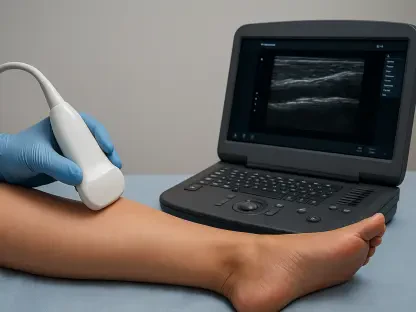
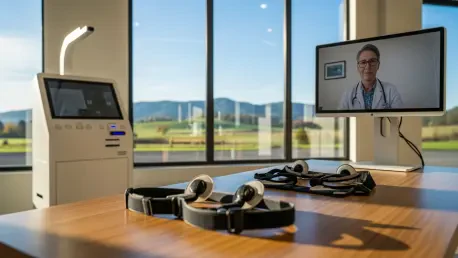
Advanced telecommunication networks have moved beyond simple video calls to include high-fidelity diagnostic tools that transmit data in real-time from a patient’s living room directly to a specialist’s terminal. In many remote regions, the deployment of low-earth orbit satellite clusters has eliminated the “dead zones” that previously hindered the adoption of digital health records and remote monitoring. These systems allow for the continuous tracking of chronic conditions like heart disease and diabetes, utilizing wearable devices that alert medical teams to anomalies before they escalate into emergencies. Furthermore, specialized diagnostic kiosks in local pharmacies or community centers now offer imaging and blood testing capabilities that were once exclusive to urban hospitals. This decentralized approach ensures that geography no longer dictates the quality of diagnostic precision available to a resident. By placing sophisticated tools in the hands of the patients, the healthcare system reduces the need for exhausting travel times.
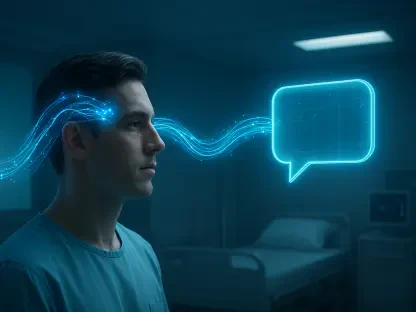
Artificial intelligence serves as a critical force multiplier in these settings, providing rural general practitioners with a “second opinion” that draws from global databases of medical literature and case studies. These AI-driven platforms assist in the early detection of rare diseases or complex pathologies that might otherwise go unnoticed in a high-volume, understaffed environment. By automating administrative tasks and initial symptom triaging, local healthcare providers can focus more of their limited time on direct patient interaction and complex procedural care. This synergy between human intuition and machine processing power creates a safety net that protects both the patient and the practitioner from burnout. Moreover, the implementation of localized data analytics allows communities to identify public health trends early, such as localized viral outbreaks or environmental health risks. This proactive stance transforms the rural clinic into a predictive medical hub.
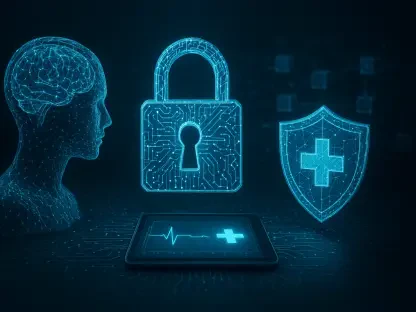
Policy experts determined that the long-term sustainability of rural health required a fundamental shift toward cross-border medical licensing and standardized data encryption. They advocated for the establishment of regional tech-support hubs that provided immediate assistance to rural clinics facing software malfunctions or connectivity issues. To ensure financial stability, the government implemented permanent reimbursement codes for asynchronous telehealth, allowing doctors to be compensated for reviewing patient data outside of live video calls. Furthermore, medical associations integrated mandatory digital literacy training into residency programs, ensuring that physicians felt prepared to manage hybrid care models. These stakeholders also prioritized the development of community-led health councils that evaluated the efficacy of new tools and provided feedback to developers. This collaborative approach ensured that technology remained a servant to the relationship.