
The realization that massive financial injections alone cannot fix systemic inefficiencies has prompted a significant shift toward optimizing the structural integrity of local governance. This evolution was on full display during the inaugural Unilab Foundation Executive Symposium, where the Ateneo

The proposed CMS rule threatens to dismantle the 'hospital at home' model that has successfully improved medication adherence and lifestyle choices for seniors in isolated areas. This regulatory shift targets the fundamental ways in which digital health technologies, including smart scales and

Innovation in the telehealth sector depends on a predictable and durable regulatory framework that can accommodate future shifts in software technology. As generative artificial intelligence systems become deeply embedded in the clinical workflow, the U.S. Food and Drug Administration faces
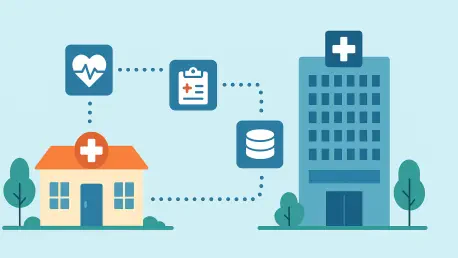
Standardizing data reporting formats across all agencies is a critical step toward reducing the massive administrative lift required of rural staff. In the healthcare landscape of 2026, the transition from paper records to digital infrastructure was supposed to unify the American medical system,

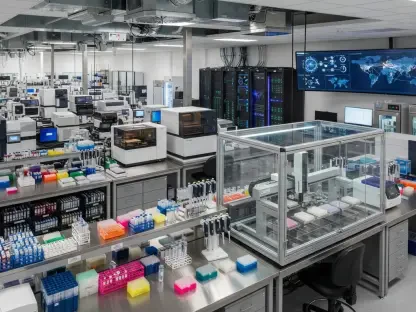
Competitive pressures and urgent patient needs are demanding faster development cycles, making the way analytical data is gathered a potential bottleneck or catalyst. In the current pharmaceutical landscape, analytical science has transitioned from a background support function into a primary

Tracking recurring incident patterns such as falls and wounds has become more precise with the rollout of the Resident Events monitoring capability. This specialized tool forms part of a broader analytics suite designed to tackle the increasingly intricate demands of the Australian aged care