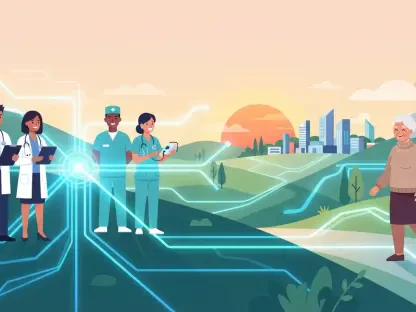

The profound disconnect between the cutting-edge medical research happening in sterile laboratories and the everyday reality of patients waiting for life-saving treatments remains one of the most significant challenges in modern healthcare. While the scientific community continues to unlock the mysteries of the human genome and pioneer revolutionary therapies, a silent crisis in recruitment threatens to stall this momentum. At the heart of this issue is a startling statistical gap: although roughly 71% of adults living with chronic or serious conditions express a genuine willingness to join clinical trials, only a mere 9% eventually find their way into a study. This chasm suggests that the problem is not a lack of public interest, but a systemic failure to bridge the gap between interest and enrollment.
This “invitation vacuum” is perhaps the most glaring evidence of a communication breakdown within the traditional medical model. Recent data indicates that approximately two-thirds of patients report that their primary care physicians or specialists never even mentioned the possibility of clinical research during their consultations. For many, the option of a trial is never even on the table, leaving potential participants in the dark while researchers struggle to find candidates. This breakdown does not only affect individual patients; it creates a massive drag on the speed of medical innovation. When the primary gateway to research—the doctor-patient relationship—remains closed to discussions of clinical trials, the entire ecosystem of drug development suffers from a lack of diverse and timely participation.
The immediate impact of this communication failure is a sluggish pipeline for new therapies. Every day that a trial remains under-enrolled is a day that a potentially transformative drug is delayed from reaching the wider market. As of 2026, the medical community is increasingly recognizing that the speed of innovation is inextricably linked to how well we communicate with the public. Without a fundamental shift in how doctors present research opportunities, the startling gap between those willing to serve as participants and those who actually do will continue to hamper the advancement of modern medicine.
The Recruitment Paradox: Why Seven in Ten Patients Are Left Waiting
The disparity between patient willingness and actual enrollment creates a paradox that defines the current state of clinical research. While the public generally views medical advancement with favor, the path to personal involvement is often obscured by a lack of information and institutional inertia. This paradox is fueled by a healthcare system where clinical trials are frequently treated as a separate silo of care rather than an integrated option. When patients are not proactively informed about trials that could match their specific conditions, they are effectively left waiting for solutions that are currently being tested just out of their reach.
This lack of proactive invitation creates a vacuum where only the most resourceful or well-connected patients manage to find and enter trials. For the average person, the complexity of navigating research databases and understanding eligibility criteria is a daunting task that few are equipped to handle alone. Consequently, the recruitment process becomes a bottleneck that favors those with high health literacy or proximity to major academic centers. This excludes a vast majority of the population whose participation is vital for ensuring that new treatments are effective across a broad spectrum of demographics and genetic backgrounds.
Furthermore, the communication breakdown has a ripple effect on the entire drug development timeline. When enrollment numbers are low, trials must be extended, which exponentially increases the costs for sponsors and delays the availability of treatments for the general public. This is not merely a logistical annoyance; it is a significant barrier to addressing urgent health crises. The speed at which we can understand and treat emerging diseases is directly proportional to how quickly we can recruit and retain participants in well-designed clinical studies, making the recruitment paradox a top priority for health policy reformers.
The Innovation Standoff: Why Recruitment Failures Stall Medical Breakthroughs
The consequences of recruitment failures are most visible in the alarming statistic that 86% of clinical trials currently miss their original recruitment deadlines. This innovation standoff creates a financial and temporal burden that ripples through the pharmaceutical and biotech industries, ultimately raising the cost of bringing any new therapy to the market. When a study is delayed because it cannot find enough participants, the overhead costs continue to mount, and the potential benefits of the research remain locked away from the people who need them most. This inefficiency is a major factor in the high price of modern medicine, as the costs of failed or delayed trials are inevitably passed down the line.
A significant part of the problem lies in the public perception of clinical trials, which are often mistakenly viewed as a last-ditch experimental effort rather than a “gold standard of care.” In reality, for many terminal or serious conditions, participating in a trial provides patients with access to the latest scientific advancements and highly rigorous medical oversight that exceeds standard treatment protocols. By reframing trials as a premier healthcare option, the medical community can encourage more patients to see participation as a proactive choice for their own health. This shift in perspective is essential for breaking the standoff and ensuring that breakthroughs move from the lab to the clinic without unnecessary delay.
Beyond personal health benefits, participation represents a collective contribution toward understanding and eventually curing complex diseases like Alzheimer’s or rare genetic disorders. Every participant contributes a piece to a larger puzzle, providing data that will benefit millions of people in the future. As of 2026, the focus has shifted toward highlighting this altruistic impact, emphasizing that a single enrollment can accelerate the discovery of a cure by weeks or even months. When individuals understand that their participation is a vital link in the chain of human progress, the motivation to join shifts from personal desperation to a shared mission of scientific discovery.
Mapping the Obstacles: From Geographic Gaps to Financial Toxicity
Even when patients are successfully recruited, the “retention hurdle” remains a formidable obstacle to the completion of a study. Every follow-up visit, additional blood draw, or required scan acts as a potential exit point for participants who may find the logistical burden too heavy to bear. Clinical trials are often long-term commitments that demand significant time and energy, and without adequate support systems, many participants are forced to drop out before the study concludes. This attrition can compromise the validity of the research data and force researchers to start over, further wasting valuable time and resources.
Geography remains one of the most persistent and unfair barriers to participation, creating a sharp divide between urban and rural populations. Statistics show that roughly 55% of cancer patients do not have access to onsite trials because they live too far from major urban academic hubs where most research is conducted. For a patient in a rural area, the cost and time associated with traveling hundreds of miles for a single appointment are often prohibitive. This geographic gap ensures that clinical research remains an elitist endeavor, largely inaccessible to those who do not live in specific metropolitan corridors, which in turn limits the diversity of the data being collected.
Furthermore, the “hidden costs” of science often result in what experts call financial toxicity. Even when a trial sponsor covers the cost of the experimental drug, participants are often left responsible for a host of incidental expenses such as childcare, travel, parking, and lodging. Additionally, insurance gaps can occur when a trial site is considered out-of-network, leaving patients with staggering bills for routine tests that would otherwise be covered. These financial pressures create a situation where only the affluent can afford to participate in the “free” medical research that is supposed to benefit everyone, reinforcing systemic inequities in the healthcare system.
Federal Reforms and the Legislative Push for Equity
In response to these systemic failures, the Department of Health and Human Services (HHS) has launched a significant initiative to redefine old regulations that hampered patient support. Specifically, the department is looking to clarify the concept of “undue inducement,” which previously prevented trial sponsors from covering basic costs like travel and lodging for fear of appearing to bribe participants. By relaxing these definitions, the federal government is signaling that providing logistical support is not an unethical incentive but a necessary step toward making research accessible to a wider range of people. This change allows sponsors to remove the financial barriers that have long kept low-income and rural patients out of the research pool.
Complementing these regulatory shifts is the Clinical Trial Modernization Act, a landmark piece of legislation designed to protect the most vulnerable participants. One of the act’s most critical proposals is the protection of Medicaid eligibility for low-income participants who receive stipends for their participation. In the past, the modest payments intended to cover travel or time could push a participant’s income just high enough to disqualify them from essential social safety net programs. By excluding these stipends from income calculations for federal programs, the act ensures that participating in science does not result in a loss of healthcare for those who need it most.
Parallel to legislative changes is the industry-wide shift toward “decentralized trials,” which leverage technology to bring research to the patient. By utilizing telehealth, wearable monitors, and local clinics for routine blood work, researchers can significantly reduce the number of trips a participant must make to a central hub. This model is revolutionary for its ability to reach socioeconomically diverse and geographically isolated populations who were previously excluded by the need for frequent travel. As these decentralized methods become the standard from 2026 to 2028, the clinical trial landscape is expected to become far more representative of the actual patient population.
Strategic Steps for Patients Navigating the Trial Enrollment Process
Navigating the complexities of trial enrollment required a proactive approach that began with the very first consultation. Patients learned to initiate conversations with their primary care physicians by specifically asking about research opportunities as part of their standard care plan. By treating clinical trials as a valid treatment option rather than a last resort, patients were able to push for information that might otherwise have been overlooked. This proactive inquiry forced the healthcare system to respond to the demand for innovation, making trial discussions a routine part of the clinical experience.
Utilizing specialized navigators from organizations such as the American Cancer Society or the Arthritis Foundation proved to be a game-changer for many. These navigators acted as guides through the dense thicket of eligibility requirements and database searches, helping patients find matches that their local doctors might not have known existed. By outsourcing the search process to experts, participants bypassed the confusion of independent research and moved straight to the enrollment phase. This layer of support was essential for bridging the health literacy gap and ensuring that interested individuals were not lost in the administrative shuffle.
Financial due diligence also emerged as a critical skill for those entering the world of clinical research. Patients became adept at identifying which costs were covered by sponsors and which would be treated as standard insurance coinsurance, allowing them to avoid unexpected medical bills. Furthermore, the practice of navigating “incidental expense” conversations with trial recruiters allowed participants to secure unpublicized support funds for travel and lodging. The realization of these strategic goals transformed the patient experience, turning a daunting bureaucratic hurdle into a manageable pathway toward the future of medicine. Through these efforts, the medical community established a foundation for a more representative and efficient research cycle that benefited all of society.