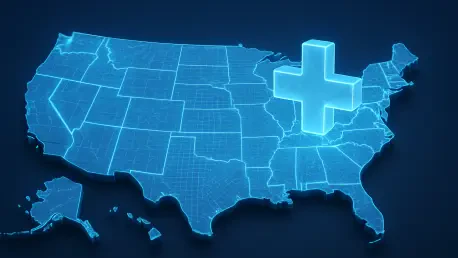
Major insurance carriers like UnitedHealthcare and Humana are exiting hundreds of rural counties while expanding their presence in urban centers by comparison. This trend highlights a growing instability in the private healthcare market that previously promised competitive choices for every

Graduate students at the University of Nebraska at Omaha complete their initial one hundred clinical hours in a high-stakes environment where every session is recorded for expert review. This intensive pedagogical model functions as both a rigorous training ground for future therapists and a

Checking the provider directory is an unreliable method for verification because compliance regarding directory updates is uneven across the insurance industry. For many retirees, the realization that a trusted physician is no longer accessible occurs not during the enrollment process, but months

The total collapse of the county’s nursing staff was signaled by the high-profile resignation of Christina Kempf, a twenty-year veteran and celebrated public health hero. Her departure did not merely leave a vacancy; it exposed a profound administrative rot that has now culminated in the

The widening gap between commercial insurance rates and Medicare payment rates has contributed to a ballooning of national health expenditures that continues to outpace the rate of inflation. As the United States navigates the complexities of its modern healthcare landscape, the debate over a

The implementation of a telehealth-first model has successfully eliminated the so-called postcode lottery that previously dictated the quality of healthcare based on a patient's proximity to major cities. This achievement by Zenith Clinics, which recently surpassed the 10,000-patient mark,