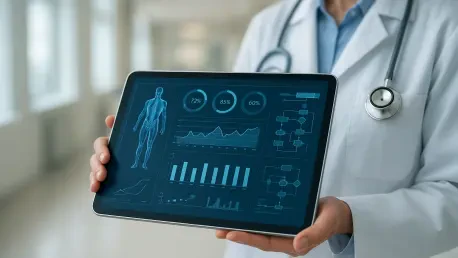

Transitioning to an intelligent monitoring framework allows healthcare leaders to maximize the value of human judgment by delegating routine data processing to automated systems. This fundamental shift arrives as the global medical landscape confronts a systemic breaking point where traditional

Standardizing data quality across the Mexican health sector is the primary focus of recent efforts to scale life-saving interventions for hypertension and diabetes. This strategic pivot, led by the Mexican Ministry of Health in partnership with the Pan American Health Organization, aims to confront

Health officials believe that if these decentralized diagnostic systems succeed in remote island settings, they can be effectively implemented across the entire nation. This initiative represents a fundamental shift in how emergency medical services operate within the rugged terrain of the Scottish

Strategic placement of health screening kiosks in retail environments like Walmart and CVS provides public health officials with immediate data that national surveys often lag behind by years. The traditional framework of healthcare is undergoing a significant structural transformation driven by

The rapid deployment of predictive AI within seventy-one percent of American hospitals has significantly outpaced the formal development of clinical protocols and regulatory oversight. This massive integration of advanced algorithms into electronic health records has fundamentally altered the

The current assessment process functions like a lottery, where the absence of standardized palliative metrics leads to inconsistent outcomes for the terminally ill. As the aged care sector continues to evolve through 2026 and into 2027, the Integrated Assessment Tool (IAT) has become a focal point